SEVEN FRESH Prepares CNY Meals for Customers

by Ling Cao

With Chinese New Year (CNY) around the corner, SEVEN FRESH is providing a wide range of meals for customers, including ready-to-cook meal gift boxes and meal packages.

The selections include ready-to-cook local specialties from all around China, such as steamed “eight treasure rice” from Zhejiang, sausage from Guangdong and lamb chops from Beijing.

Ready-to-cook food increased in popularity last year under the COVID-19 situation. Yu Feng, sales manager of seafood at JD Fresh shared, “During the pandemic, we have seen that ready-to-cook products are popular, which can soften customers’ concerns for buying fresh seafood, as well as release them from complex cooking processes.”

SEVEN FRESH is also offering self-developed delicious dishes including baked chicken, curry shrimp, and fried mushroom.

In addition, SEVEN FRESH launched four kinds of meal packages, meeting different needs of customers. These packages include Boston lobsters, steamed fish, as well as crabs cooked by SEVEN FRESH. According to JD’s data, the package which suits three to four people is particularly popular. Customers can either enjoy the meal in-store, or have it delivered to their doorsteps.

Lixia Duan, head of SEVEN FRESH supermarkets shared that SEVEN FRESH stores will continue to operate during CNY, working to ensure people’s livelihood through both online and offline channels.


(ling.cao@jd.com)

JD Health’s Relief Supplies Arrived in Shijiazhuang

by Hui Zhang

JD Health’s new batch of relief supplies, namely 240,000 medical masks and 1,000 bottles of vitamin C, arrived in Shijiazhuang, Hebei province, at 11:30 pm on Jan. 20. The supplies will be distributed to designated medical institutions that are treating COVID-19 patients.


The supplies come from more than 10 merchants on JD Health’s B2B platform known as JD Medicine Procurement and will be provided to people in need for free.

The supplies come from more than 10 merchants on JD Health’s B2B platform known as JD Medicine Procurement and will be provided to people in need for free.

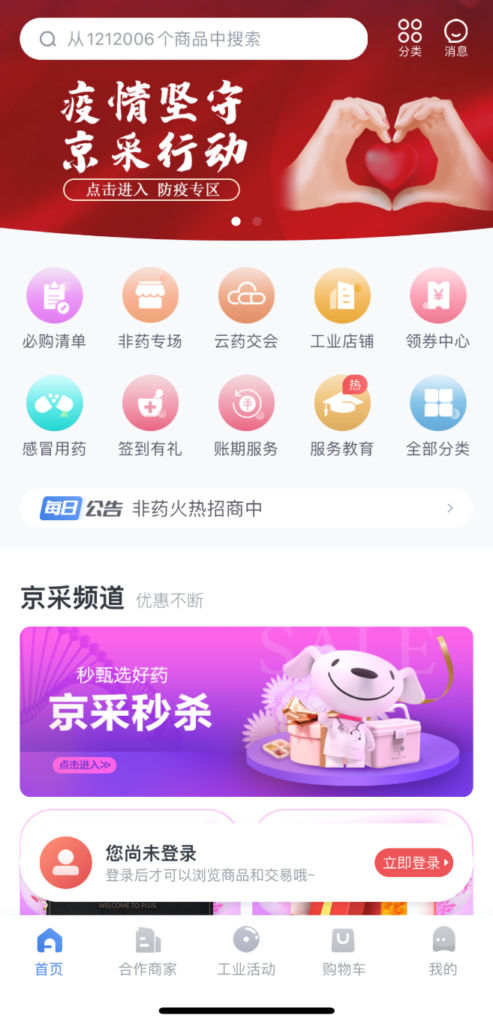
In addition to supplies donation, JD Medicine Procurement has set up a dedicated online portal for the procurement of anti-virus supplies. At the same time, the platform works closely with pharmaceutical manufacturers to ensure the increasing demand for medical supplies can be sufficiently met.

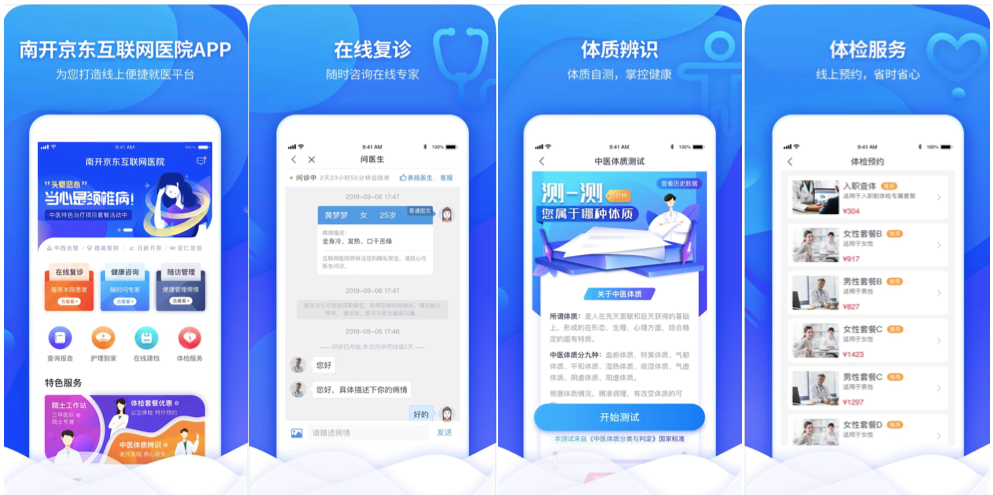
Leveraging its supply chain advantages, JD Logistics launched a special channel for the transportation of the aid to Hebei. Moreover, JD Health has also opened online medical consultation service platform for free during the outbreak.

“Led by JD Health, merchants at JD Medicine Procurement have actively assisted Hebei in the fight against the epidemic, including guaranteeing priority delivery to pharmacies in the province, promising not to increase price, and more. All parties are devoting themselves to making a contribution,” said a spokesperson from JD Medicine Procurement.


(zhanghui36@jd.com)

Posted in ESG

Remote Orders Spike Ahead of Chinese New Year: Customers in Lower-Tier Cities Show Love From Afar

by Kelly Dawson

With a recent uptick in COVID-19 cases, many Chinese are preparing to stay in the cities where they work during the upcoming Chinese New Year holiday. For residents of cities in the northeast of China, Henan, Shandong and Sichuan, JD’s ongoing expansion into lower-tier markets has made it possible to express their affection for loved ones via “remote orders” of special treats and gifts sent to other cities.

Across all regions, remote orders such as rice, noodles and cooking oil increased by 30-50% YOY, which may be attributed to a desire to ensure loved ones are well fed and safe during a time when many families are separated.

Additionally, remote orders tended to demonstrate a nostalgia for the specialty snacks and treats of people’s places of origin, with families sending such treats to their loved ones living in bigger cities, and those living apart from family also choosing to send similar gifts to their hometowns.

As is to be expected, those gifts varied depending on the region. Read on for a breakdown from the JD Big Data Research Institute that reveals much about what Chinese consumers hold close to their hearts (and stomachs) ahead of Chinese New Year.


Northeast China

Remote orders placed in Shenyang since Jan. 1 increased by an astounding 94% YOY; while remote orders from Harbin and Changchun increased by more than 50%, with top destinations including Shandong, Hebei and Guangdong provinces.

Among the most popular products purchased for remote order to these cities were Chagan Lake fish, which doubled in sales, along with Harbin red sausage, ginseng from the region, and abalone slices.

Family members also demonstrated their love, with remote orders of products purchased to be sent to Liaoning increasing by 85%, with most originating in Inner Mongolia, Shandong, Hubei, Liaoning and Fujian. Popular products included fruits, seafood, convenience foods and snacks, red heart pomelo, handmade fish balls, dried oysters and more.

Remote orders sent to Harbin originated in Hubei, Shandong, Liaoning, Fujian and Sichuan, with popular food and snacks including mountain-raised pork, Arctic shrimp, fresh sea cucumber, Dezhou braised chicken and Zhoucun sesame seed cakes.

Customers in Hubei, Liaoning, Fujian, Shandong and Sichuan were responsible for the majority of remote orders sent to Changchun, with popular products including oranges, Sichuan-style sausages, hot pot ingredients and more.


Henan province 

Residents of Zhengzhou city placed about 30% more remote orders YOY since Jan. 1, with an increase of 1-3 times for sales of wine, meat and milk. Most remote orders were sent to Guangdong, Henan, Shandong, Sichuan and Hubei, with the most popular products including sweet potato vermicelli and braised chicken.

On the other hand, remote orders sent to Zhengzhou increased by 60%, originating in Hubei, Beijing, Fujian, Shandong and Liaoning. The most popular products sent from Hubei included duck neck, brown sugar dumplings and preserved eggs; while remote orders placed in Liaoning favored food and snacks like sea cucumber, abalone slices, dumplings, the traditional dish Buddha-Jumping-Over-the-Wall, and more.


Shandong province

Remote orders from Jinan, the capital of eastern China’s Shandong province, increased by 38%, with beverages, seafood, meat and condiments increasing by 2-4 times YOY for the period since Jan. 1. Other popular products included dried abalone, fresh sea cucumber, and sesame seed cakes; and the most popular destinations for these orders were Beijing, Guangdong, Henan, Sichuan and Northeast China.

Meanwhile, remote orders sent to Shandong province increased by 70%, originating in Beijing, Shanghai, Hubei, Fujian and Liaoning, with top product categories including meat, eggs, lower-temperature dairy products and more. For example, the popular products sent from Beijing were mutton,  and the Daoxiangcun Bakery gift box; while from Fujian, the most popular products were Hong Kong-style dried squid and shellfish. Among the most popular items from Hubei were duck neck and preserved thousand-year-old duck egg.


Sichuan province

Finally, remote orders placed since Jan. 1 from Chengdu, capital of southwestern China’s Sichuan province, also spiked with an increase of 75% YOY. Among the most popular products were dried meat, snacks, hot pot meat balls, eggs and candied fruits.

Residents of Chengdu placed remote orders to Yunnan, Chongqing, Guizhou, Gansu and Hebei, with the most popular products including Sichuan-style sausages, hot pot ingredients, oranges, and more.

On the other hand, remote orders sent to Chengdu originated in Inner Mongolia, Fujian, Shandong, Liaoning and Henan, with the most popular categories including meat products, seafood and snacks like sesame seeds, sweet potato noodles, Dezhou braised chicken and more.


Uninterrupted delivery

Fortunately, customers can rest assured that their remote order gifts will arrive in time. JD Logistics announced that it will ensure delivery during the Chinese New Year period, for the ninth consecutive year. As the first logistics company in the country to offer this service, JD is now also expanding its delivery policy to include the first three days following New Year’s Eve, during which customers in 30 provinces, municipalities and autonomous regions, nearly 300 cities and 1,500 counties and districts can receive orders as fast as usual.


(kellydawson@jd.com)


Forbidden City Launches New Products on JD to Celebrate Chinese New Year

by Hui Zhang

The Forbidden City, also known as the Palace Museum in Beijing, has launched a series of Chinese New Year-themed decorations and products featuring traditional Chinese design style on JD.com to welcome the upcoming Year of the Ox in 2021.

JD.com to welcome the upcoming Year of the Ox in 2021.

The traditional red colored decorations include banners with Spring Festival couplets imitating the calligraphy of Emperor Qianlong of the Qing dynasty (1636-1911), and a meaningful blessing, Wufulinmen (五福临门), which refers to “five blessings that have arrived at the door.” The blessing appears in variations imitating the calligraphy of Emperors Kangxi, Yongzheng, Qianlong, Jiaqing, and Daoguang of the same dynasty. In addition, door god couplets, paper cuttings, and red envelopes are also packaged in a gift set for the Chinese New Year grand promotion.

The traditional red colored decorations include banners with Spring Festival

New products such as a lipstick with Chinese traditional design, a red scarf, aromatherapy in a Qing dynasty featured bottle and tea set with traditional figure design are also part of the new products to mark the coming of the Chinese New Year.

The Forbidden City launched a store on JD.com in 2019 to further expand its consumer base taking advantages of the ecommerce platform. Through a partnership with JD, the age-old brand has been able to more precisely target consumers and expand reach for its own stylish products that feature a twist on traditional Chinese cultural elements, resulting in 186% sales growth in 2020 year-on-year following the store’s opening.

The Forbidden City launched a store on JD.com in 2019 to further expand its consumer base taking advantages of the ecommerce platform

During the holiday seasons, many consumers buy Forbidden City products as gifts, due to their unique cultural designs and premium quality. JD makes it possible for consumers to receive products the same day or next day, leveraging the overall strength of its nationwide logistics network.

“JD’s culture business department is working with established cultural brands by using their IP to help spread traditional Chinese culture. The Forbidden City is an important IP brand and more than 60% of its consumers are born after the 1990s. Through working with the Forbidden City and following the consumption trend on Chinese traditional products, both sides are working together to bring various products to more and more young consumers,” said a department manager in charge of the Forbidden City business operation from JD.


(zhanghui36@jd.com)

Photo Gallery: This Week at JD (January 16 – January 22)

JD adds a provisional air cargo route from Inner Mongolia to Tianjin, started from Jan. 19, to meet the increasing demand for meat products and secure in-time delivery during the Chinese New Year period.

JD Worldwide launched the Sri Lanka National Pavilion on Jan. 21. The pavilion focuses on providing the most iconic and high-quality products from the country, including gems, black tea and spicy products. Dr. Palitha T. B Kohona, Ambassador of Sri Lanka to China, joined the opening ceremony held in JD’s headquarters in Beijing.


Nick Coyle, CEO and Executive Director of the China-Australia Chamber of Commerce joined a livestream show on JD Worldwide on Jan. 20 to support the trade and ecommerce development between China and Australia, and to introduce Australian products to JD customers ahead of Chinese New Year. The livestream show, which lasted for 12 hours, was held on Jan 20, the first day of JD’s Chinese New Year Grand Promotion, aiming to introduce high-quality imported products for JD customers.


A JD logistics van loaded with 200 protective gowns arrived in Shijiazhuang, Hebei province (300 km south of Beijing) at 11 am on Jan. 16. Donated by the Xujiapeng sub-district of Wuhan. The donation is the first to be transported to Shijiazhuang after JD’s launch of a special transportation channel for the aid to Hebei province.


Italian fashion brand Marni launched a flagship store on JD’s e-commerce platform on Jan 20. The online store is bringing to Chinese consumers the brand’s early spring collections for women including long dresses.


Customized Facemasks Become Hot Items on JD.com ahead of Chinese New Year

by Vivian Yang

Sales of Chinese New Year-themed facemasks are surging on JD.com. Relevant product keywords have been searched more than 1.26 million times on the platform since Jan. 20, which is the date marking the beginning of the New Year celebration on the lunar calendar.

Among the trendiest items are limited-edition facemasks of red and golden colors, imprinted with “2021”and featuring ox elements (as 2021 is the lunar year of the ox).

Sales of Chinese New Year-themed facemasks are surging on JD.com.

“Facemasks have now become a necessity in our life and many Chinese people wish to wear something to showcase an auspicious beginning of the new year,” said a spokesperson of JD Health. “These facemask products with customized designs nicely address customers’ desires.”

“I’m bored of wearing the blue and white facemasks every day,” commented a JD customer on a shopping page for a customized facemask. “The New Year edition comes right in time, and makes me feel happy and hopeful that the pandemic will be over soon.”

Other facemask products with customized and personalized patterns on JD.com range from animals and plants to known cartoon characters that are also widely welcomed by kids and their parents.

JD.com range from animals and plants to known cartoon characters that are also widely welcomed by kids and their parents.

To ensure the safety of these customized mask products, merchants must submit all relevant quality control and certification documentations for JD’s review before the items are listed for online sales.


(vivian.yang@jd.com)

JD Launches Apple Big Day during Chinese New Year Grand Promotion

by Ling Cao

JD launched “Apple Big Day” on Jan. 21, providing Chinese customers with benefits and subsidies to prepare for the upcoming Chinese New Year.

On Jan. 20 and 21, JD customers have the opportunity to get RMB 200 yuan coupons to purchase iPhones,  and to receive up to RMB 3,000 yuan from the trade-in service, as well as coupons to purchase AirPods.

JD’s joint venture Dada Group will also hold a campaign Jan 24-25 for Apple’s products. JD Daojia, a local on-demand retail platform under Dada Group, will cooperate with over 600 Apple’s authorized offline stores, enabling customers to buy AirPods at 50% off when they buy an iPhone 12. Customers can also search Apple on JD’s platform, and enjoy the same promotions at cooperated offline stores. Customers will also enjoy one-hour delivery service.

During the Chinese New Year Grand Promotion, JD Mobile is providing other benefits, including worry-free refund within 30 days, a buy-now-pay-later policy, RMB 99 yuan for a battery replacement, and more.

Daniel Tan, president of JD Mobile Devices said, “Dada group is an important omnichannel partner of JD Retail. We want to leverage our advantages in logistics and supply chain to directly reach customers.”


(ling.cao@jd.com)

“Too Old” Is Simply a Myth: Tech Companies Narrow the Digital Gap for the Elderly

This article was first published on the World Economic Forum’s Agenda Blog

by Ella Kidron and Vivian Yang

Many young people have embraced the convenience of digital technologies such as online shopping, car hailing, digital payments, and telemedicine. But many elderly without a grasp of the latest knowledge are at risk of being left behind.

Several news reports in China during the outbreak of COVID-19 put this issue in the spotlight: an elderly woman who wanted to pay for her medical insurance with cash was refused due to concerns that her cash might be carrying the virus.

The woman, who had not set up mobile payment, was left alone in the service centre at a loss.

In another case, an elderly man without a phone was asked to get off the bus after failing to show the driver his health-status code via the app used at all public places in China.

These incidents are stark reminders of the widening digital gap for the elderly.

China: an ageing population puts a spotlight on the digital divide

The challenge is not unique to China, but it is particularly pressing for the country given the rapid transformation of its massive population of 1.4 billion into an aging society.

Around 2022, China is projected to become an “aged society” with 14% of the population above 65 years old – some 200 million people. It would typically take nearly a hundred years for many countries to reach this stage, while it will only have taken 21 years in China.

What’s even more staggering is that by 2050, the number of Chinese elderly is estimated to reach 380 million, amounting to nearly 30% of the country’s overall population.

With just a small population of the elderly online, more needs to be done to provide access and guidance before the problem exacerbates with the rapidly rising aging population.

Pandemic pushes the elderly out of offline comfort zone

According to statistics from China’s Ministry of Industry and Information Technology (MIIT), out of the 274 million mobile phone accounts of elderly users (those 60 years old and above) in China today, about 134 million are using smart phones to browse the internet. This means approximately 140 million still lack access to it.

The pandemic, however, has pushed a great number of elderly people online, in China and globally. The Chinese government issued plans in November last year to help elderly people overcome barriers to using smart technology.

Meanwhile tech companies, such as e-commerce company JD.com, are stepping up their efforts to ease the transition. Here are three major trends in this arena:


1. Taking online in-store

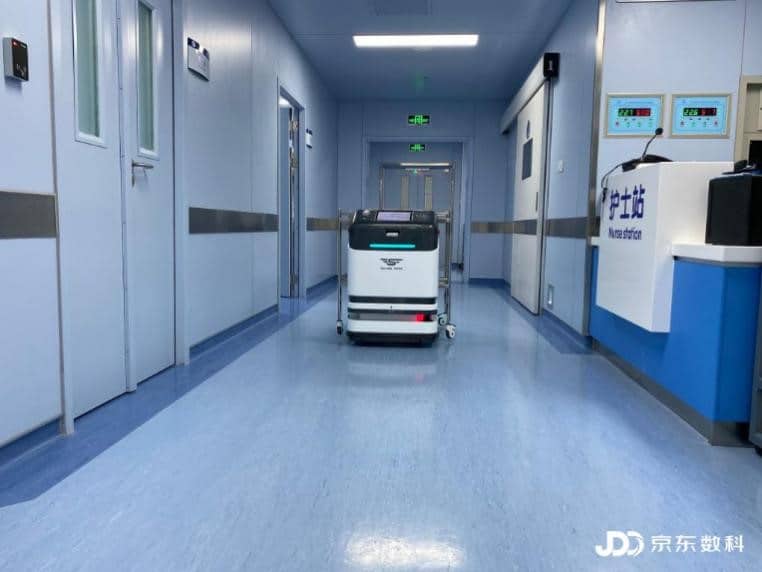
Brick-and-mortar stores have started to arrange assistants in dedicated zones to help elderly customers make sense of everything from digital payments to robot services. These are all services that many young people, who grew up with the internet from an early age, take for granted – but they can also be learned.

At JD’s omnichannel supermarket SEVEN FRESH, elderly customers are guided by staff to place grocery orders online, that are then delivered to their doorsteps at a specific time. Similarly, in JD’s offline pharmacy, customers can sit on a sofa inside the store and wait to collect their medicine, pay for it with the help of in-store assistants, and walk away with professional healthcare advice.

“We are keen to use and benefit from these new technologies, but getting to grips with them is no easy task for us,” said Ms Zhang, 78, an empty nester who tried to use a self-help health screening robot in a JD pharmacy store.

Her words speak to the difficulties many elderly people face. “By using this machine, I have not only experienced advanced technology, but also gained confidence,” said Ms Zhang, after having mastered the robot.

In terms of online services, many elderly customers shy away from voice systems or chatbots. In light of this, China’s top three telecom operators recently announced a speed-dial system to transfer users above 65 directly to human service personnel.

Furthermore, upon the request of MIIT, adaptive versions of more than 150 apps and websites in China are being built, featuring simpler interfaces, fewer pop-up adds and more anti-fraud support.


2. From louder smartphones to voice-activated home appliances

Tailormade smartphones play an important role in easing elderly people’s transition into the digital space. Phones with big buttons, larger font size and high-volume speakers have popped up recently.

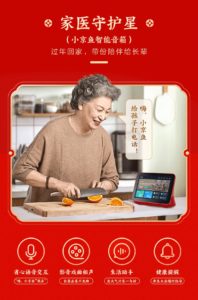
Last year, JD launched China’s first 5G smartphone for the elderly in partnership with ZTE. The phone is equipped with services such as remote assistance, synchronised family photo sharing album and fast medical consultation services – handy for both the elderly and their children.

Telemedicine service is embedded in JD’s phone for the eldelry  

Importantly, it enables adult children to manage their elderly parents’ phones from afar – something that is becoming more necessary as families are increasingly separated by the demands of work in a location far from home. (JD data found that 70% of elderly consumers believe children are indispensable in their care process and 68% want to spend more time with their children, but this is not always possible.)

Besides customised smartphones, JD and other companies are exploring a variety of ways to adopt advanced technologies to improve elderly people’s lives.

These include: voice-activated IoT home appliances for users with limited mobility; an AI-powered speech recognition system that can communicate in a variety of dialects; and a big-data based health management system that can provide more accurate health advice.


3. Enabling the elderly a good investment for brands

Training goes a long way to abating the fear surrounding new technology. Last year, JD organised classes for the elderly on how to use digital devices, starting with basics like downloading apps, and increasing in complexity to cover how to line up for a hospital appointment virtually, scan QR codes and use mobile payments.

This has economic benefits too. With more and more elderly finding their footing in the digital world, they are adding fuel to the already booming silver economy.

During 2020, JD saw more elderly consumers start shopping online due to COVID-19; and they’ve kept up the habit since, appreciating the added convenience and plethora of choices. This has led the company to use big data to work on more products designed specifically for elderly consumers.

But it’s about much more than just learning how to use the technology. With a better grasp of e-commerce, elderly parents are now turning around and making purchases for their children. Some are even joining flash sales campaigns, participating in the highly popular new phenomenon of group buying, and even grabbing digital red envelopes.

And, in diverting themselves from loneliness, especially during the pandemic, they are turning to livestreaming, short videos and singing apps for entertainment.

Behind these skills are newfound confidence, freedom and connection; the idea that they are “too old” or that “technology is just for young people” is simply a thing of the past.


(ella@jd.com, vivian.yang@jd.com)