JD.com is building supply chain management platform for Hubei

by Ling Cao

To respond to the urgent needs for COVID-19 prevention and controls requested by Hubei’s provincial government, JD.com is building a supply chain management platform which makes emergency supplies such as masks, goggles, and protective clothing easier to manage, distribute and trace.

Leveraging JD’s years of experience in supply chain management and technology capabilities, the platform is tailored for Hubei provincial government’s specific needs. Because the anti-epidemic medical supplies are various and diverse, traditional management and distribution approaches are inefficient. The new platform integrates all data and information in a digital manner which makes it highly efficient, transparent and accurate.

Within this platform, all emergency materials can be managed via their lifecycles, from when they were produced, to when distributed and ultimately used. All information can be seen and monitored in real time to ensure all organizations involved can cooperate and execute efficiently. Simultaneously, JD Logistics will be providing logistics services as part of the supply chain.

JD has two goals in launching this platform. First, the company wishes to make the whole management process more transparent and visible via a digitized system. Secondly, improved efficiency is sought by leveraging big data to manage and integrate the entire purchasing and inventory process.

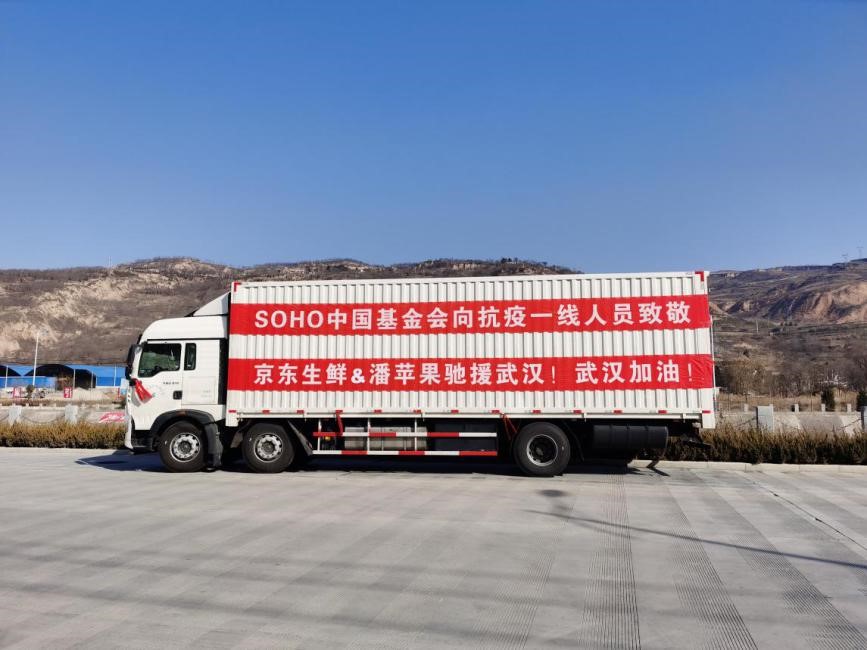
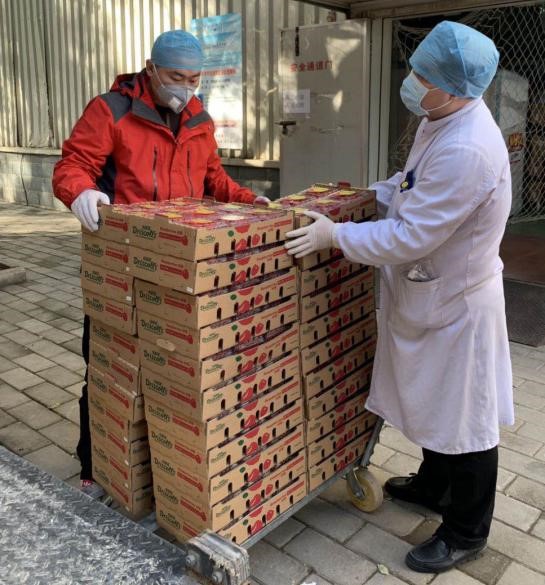
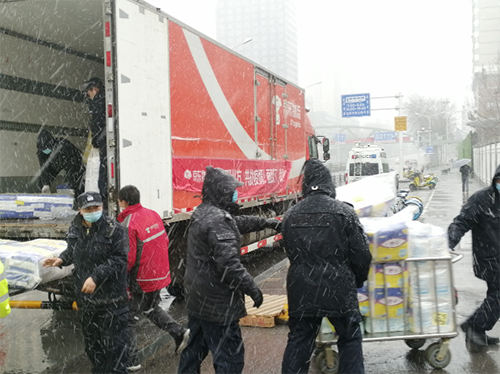
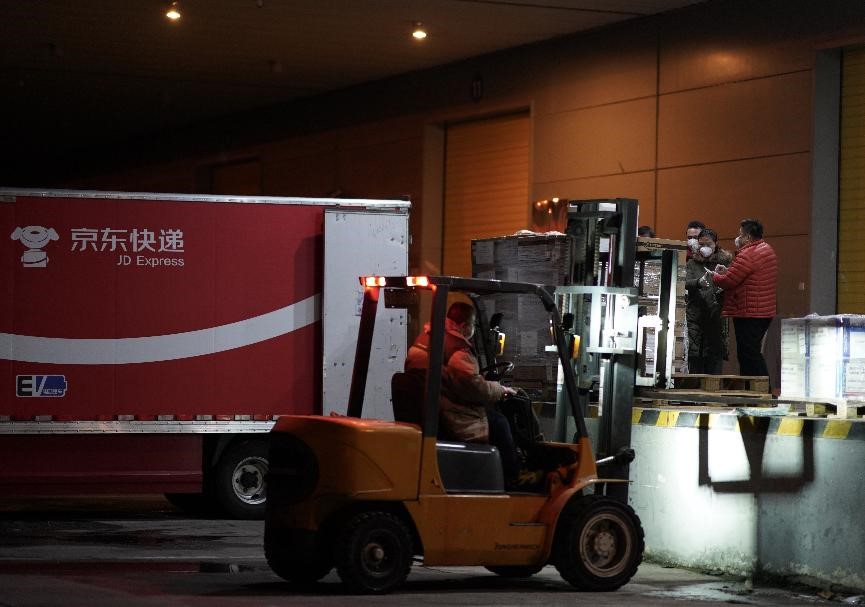
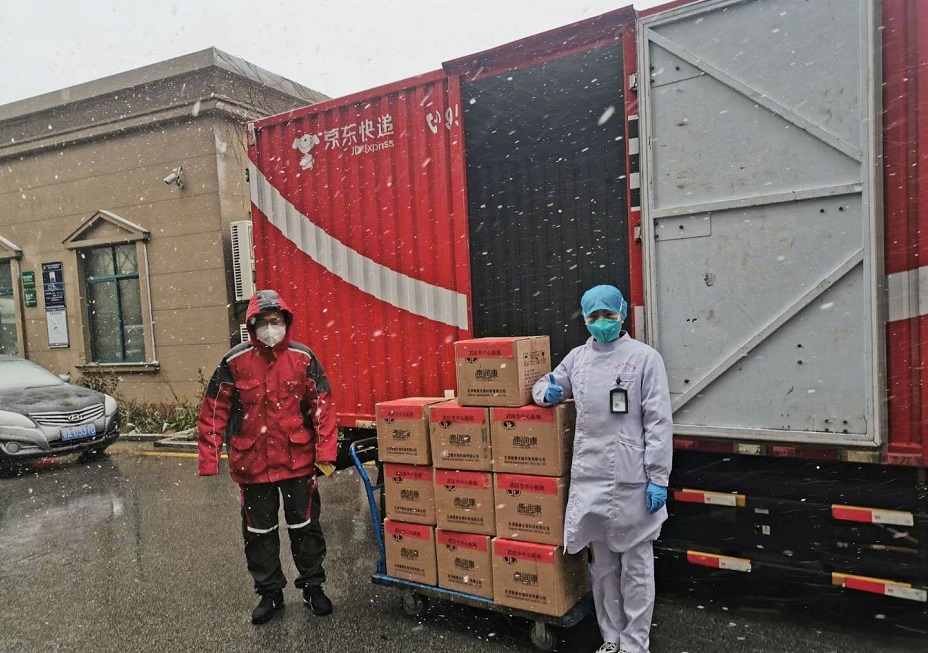
JD has been providing emergency medical supplies to Hubei province since January 21st with medical orders as its top priority, opening a special green channel to facilitate timely delivery of needed supplies. At present, JD Logistics has helped transport over 3000 tons of anti-epidemic and daily emergency necessities to Wuhan and the surrounding areas.


ling.cao@jd.com

In-depth Report: SEVEN FUN – A SOLOMOME Paradise

By Yuchuan Wang


SEVEN FUN is scheduled to open again on the 17th of February after a break during the coronavirus. At that time, people like Ms. Wu and Ms. Wang might have come back to their office again and so does Qingfei, will have begun another day on his journey at SEVEN FUN, to make it better.


Ms. Wu is a 30-year old single white collar in the finance industry. She spent the first four years of her career in Shanghai before moving to Beijing in 2019, with her office at Chaoyangmen SOHO, a popular commerce-and-office complex in Beijing. When I met her, she was with her colleagues in the newly opened SEVEN FUN located on the ground level of SOHO, enjoying barbeque chicken accompanied by a cool mug of craft beer.

Located on the second ring road in Beijing, Chaoyangmen SOHO together with Galaxy SOHO is a huge complex, adjacent to China’s Ministry of Foreign Affairs in the east and connecting with China’s earliest belt subway Line 2 and also Line 6 to the north. There are over 200,000 business professionals who commute and work within a one km radius of SOHO, and Ms. Wu is one of them. She spends about 13 hours on average a day there, usually rushing to the office around 9am, grabbing a cup of coffee and Chinese buns on the way to her desk, holding meetings in the office, and working until deep into the night.

Working professionals spend a significant amount of time in the offices, which has given rise to consumption demand and solutions rooted in “office scenarios”, seen by many as the third space outside of home and office. On lower levels of SOHO, restaurants, eateries, coffee shops, convenience stores, vending machines, laundry shops and gyms are all serving the working professionals in the vicinity, while new businesses are also exploring innovative models and different positioning to succeed in the so-called “third space”.

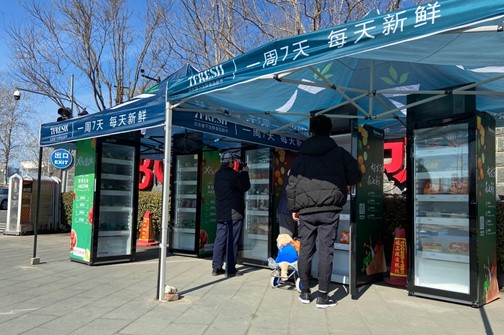
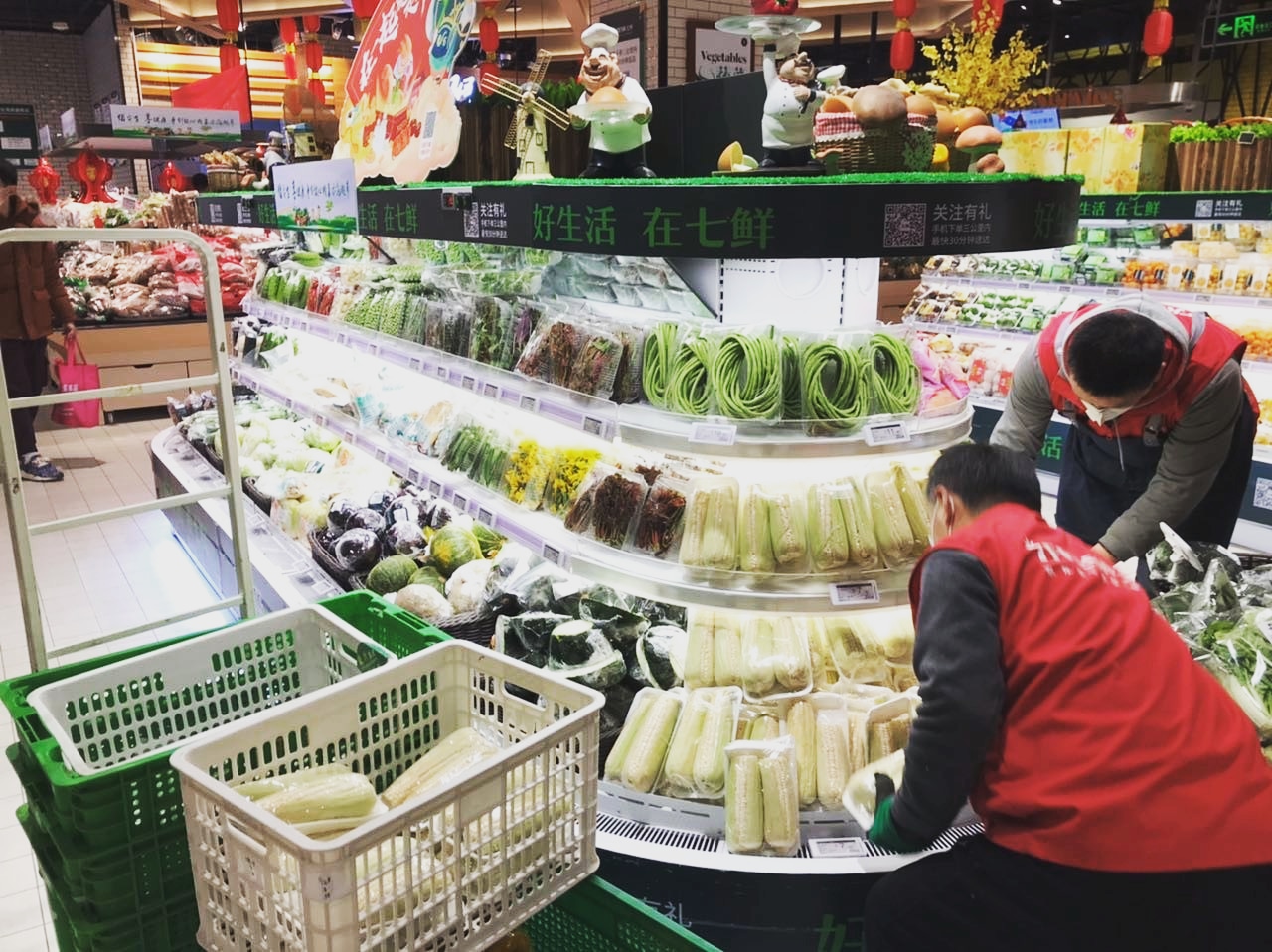
7FRESH the fresh food business and supermarket chain developed and owned by China’s largest retailer, JD.com.


SOLOMOME

SEVEN FUN is the new lifestyle space opened by 7FRESH – the fresh food business and supermarket chain developed and owned by China’s largest retailer, JD.com. Just opened this past Christmas, it’s located on the B1 floor of SOHO, closely next to a mom and pop store.

Entering SEVEN FUN, it’s quite difficult to determine if it is a supermarket, a restaurant or a bar. Indeed, the space defies labels. It adopts a pioneering model and provides a “SOLOMOME” (social, local, mobile and personalized) offline experience, competing with Starbucks to create a “third space”.

The store is nearly 1,000 square meters in size and offers flowers, daily groceries, fruit, baked goods, and coffee – but these account for less than half of the area. Meanwhile, at a large corner area are wines and liquors from around the world.

The other 550 square meters of SEVEN FUN has been designed into a large food and beverage area. The bartenders can serve you cocktails, craft beer, red wine; you can even have burgers & steaks here. The center of the bar has been built as a mini-stage intended to host a live band. The bar is surrounded by 12 best-selling eateries, including a Guizhou cuisine “must-try” on the food app Dianping, which hosts consumer reviews of restaurants, similar to Yelp and TripAdvisor. Other restaurants include a Chongqing-style noodle shop called “Zhaozaier”, an izakaya, a Beijing-style barbeque and a North Korean cold noodle shop, among many others. Customers like Wu may pick a table and choose one of the 180 high and low chairs evenly spread between the bar and the eateries.


Food, drink, and social space

“We offer 3,500 different kinds of products in this inaugural SEVEN FUN, of which over 1,400 are food and beverage. Two thirds of the store area are dedicated eatery and bar area, providing breakfast, lunch, afternoon tea, dinner and drinks late into the midnight,” Qingfei Zhang, the store manager of SEVEN FUN, said. “Every evening when the clock points to 6pm, the lighting and music will change to encourage a leisurely evening cocktail environment.”

Compared with the traditional 7FRESH supermarkets, SEVEN FUN is designed in multiple warm bright colors and doesn’t sell live seafood or vegetables. Even the fruit, salad and ready-to-heat items are all packaged in small portions. It also serves as a gathering place that offers live performances, themed parties and can even be rented out to serve as a social or networking space. Consumers within one kilometer radius can also order anything in the store online to be delivered to their doorstep.

“I cannot remember how many times I came to SEVEN FUN during the last two weeks, but it was certainly at least seven times. I love the style and the design. My colleagues and I enjoy spending time here, it’s just an elevator ride for us,” Ms. Wu told me. “It’s quite bold to launch such a business model since you don’t see any bars in this building, but it’s fast becoming my personal convenience store as well as my evening eatery.”

I ran into Ms. Wang when she stepped out of SEVEN FUN with her boyfriend. She is a 24 year-old graduate who has been in her job for less than a year. Just like Ms. Wu, she and her boyfriend also work in SOHO but she shares a different perspective: “I think it’s a bit expensive to shop at SEVEN FUN. I do buy some snacks and fruit here once or twice a week, but I’d rather eat at my company’s cafeteria which is on average 10 yuan cheaper for a meal. The night life doesn’t really appeal to me, and I want to go home after a long day at work.”

Actually, the operation of the store is quite smart. JD rents the restaurant space

“Some of our customers haven’t yet realized their need for high quality products and for a social space. But when they are awakened to it, SEVEN FUN is ready to provide,” Jiang Li, Head of SEVEN FUN said. “Our model is a combination of dining + drinking + social. We believe fine wines and cuisine provide a relaxing and needed cohesiveness for busy working professionals.”

Actually, the operation of the store is quite smart. JD rents the restaurant space to the owners of eateries and supplies drinks from its own supply chain to the bars, and so addresses the needs for the central kitchen and food supply chain. In essence, it’s making the store model profitable even faster than traditional ones. It also adopts a partner model that encourages the core team of SEVEN FUN to become store partners. Li is very confident about the business model. He believes SEVEN FUN’s operating will break even within this year. Indeed, the second SEVEN FUN store is in the pipeline to be opened in Beijing’s THE PLACE in the coming months. SEVEN FUN may serve as a brand new model for the bricks-and-mortar industry, which has been undergoing significant changes.


Store Innovation

As one of JD.com’s key omnichannel retail offerings, 7FRESH has opened over 20 stores across China in regions including Beijing, Hebei, Shaanxi, Guangdong, Sichuan and others. Under the 7FRESH business, there are already three store formats including 7FRESH supermarkets with an area of several thousand square meters mainly providing fresh food, live seafood and in-store restaurants; 7FRESH LIFE which is hundreds of square meters in size providing 24/7 community fresh food and meal-time solutions; and, SEVEN FUN targeting working professionals in large cities.

Jonathan Wang, the head of 7FRESH, offered his perspective: “The factors driving global retail transformation are quite simple: channel reformation, supply chain management and store format innovation. China is already leading the global retail industry in channel reformation and digitizing the supply chain, but is still lagging behind the leaders such as the US and Japan in terms of store innovation.” The launch of SEVEN FUN is one clear way JD is looking to put a jewel in its crown. Future expansion of SEVEN FUN is expected to focus on tier-one cities, targeting working professionals with annual income of over RMB 100,000.

The fresh foods business is one of the most rapidly developing sectors in China. China’s fresh food industry has experienced significant disruption this past year. The industry has seen a large number of fresh food e-commerce companies, including Yiguo, Dailuobo, Wo Chu, Bee Quick, Jijixian and Miaoshenghuo and many others encounter finance problems and ultimately shutdown. Capital-intensive fresh food start-ups collapse in an instant. In addition, that many traditional offline grocery giants have invested heavily in omnichannel has pushed to break the boundary between offline and online but few has been successful.

At the same time, Alibaba’s Freshippo opened its seventh retail format “Hemali”, a shopping center targeting community consumption located in Shenzhen. JD.com’s 7FRESH announced its upgrade as a meal-time solution provider right after Jonathan Wang took leadership of the business in early 2019 with immediate actions following to expand dining areas in 7FRESH stores and the opening of two new stores in December.

Why has this huge contrast occurred between start-ups and established giants? What are the driving factors behind the giants?

Speaking of the fresh food industry, we have to talk about supply chain capability. Supply chain is how a retailer can get products to consumers while maximizing the efficiency and minimizing the cost, as the lifeline to retail. To JD.com, it’s also the corner stone of the business. JD most recently announced that the company has positioned itself as a technology and service company with supply chain at its core. The capability which requires long-term investment and development has also become JD’s most competitive strength in the rapidly developing market.

JD.com started investing in its own logistics network in 2007 when the logistics infrastructure in China was poor. The company launched its online fresh food business in 2012. As of now, JD.com is able to deliver approximately 90% of orders on the same or next day. Behind this is the world’s leading logistics infrastructure of more than 650 warehouses and also the application of advanced technologies such as artificial intelligence, big data, automation and robots.

JD has no doubt become an iconic leader and a trusted platform in the fresh food industry

Omnichannel

In the meantime, omnichannel has become a universal trend for every player in the global retail industry. As the company once claimed about the 7FRESH business: 7FRESH is not purely an offline store. It’s born from JD with online capability from day one. The integration and synergy of location selection, assortment management, pricing, replenishment and marketing online and offline has paved a new path for JD to truly provide omnichannel retail: same product, same service, same price, same inventory and same customer experience.

Leveraging the strong supply chain and omnichannel ability, JD has no doubt become an iconic leader and a trusted platform in the fresh food industry. For example, during the novel coronavirus outbreak which is ongoing in China, JD is among the very few platforms that still operates and offers adequate supply and timely distribution of fresh produce. Since the outbreak, the company has seen an increase of 215% for fresh food compared with the same period last year.

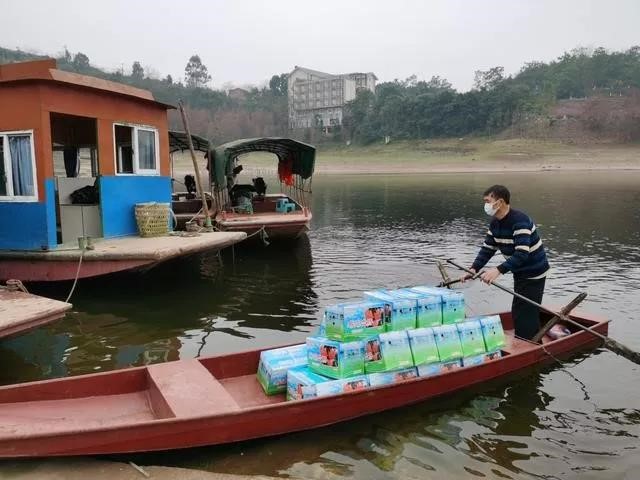
Its newly launched “National Fresh Produce Green Channel”, is helping needy farmers sell products through JD’s channels, as road closures and transportation restrictions have been carried out to prevent the spreading of the virus. Apart from performing strict disinfection measures in nationwide stores, 7FRESH is recruiting short-term staff from restaurants, hotels, cinemas and other retail establishments that are temporarily closed.


(yuchuan.wang@jd.com)

In-depth Report: JD’s Largest Logistics Park Drives Business

by Ling Cao


Launched in December of last year, the logistics park in Dongguan, Guangdong province, is the largest-scale integrated smart fulfillment center in Asia. It covers the entire supply chain process from inbound, storage, packaging, and sorting, to outbound. The construction area of 500,000 square meters is twice the size of the Olympic stadium (“Bird’s Nest”) in Beijing. The height when combining all of the 78 automatic stackers is over 1,600 meters, and is equivalent to two Burj Khalifa Towers (world’s tallest building in Dubai).

It is called Asia No.1. JD has total of 25 such landmarks countrywide. JD is a technology and service company with supply chain as it core. Hence, what is the significance of building a gigantic warehouse in Dongguan?

The Benefit

The benefit of the nationwide Asia No.1 logistics parks as a model is made clear during the sudden coronavirus outbreak. Leveraging JD’s smart warehousing system, similar to a planning central nervous system, scheduling and transportation between different warehouses, the logistics parks are operating normally to make sure JD can offer enough products for customers who want to get them online.

Given the nature of public road resources and accessibility for delivering daily necessities, epidemic prevention and medical supplies during the outbreak, the “central nervous system” rapidly reorganizes the logistics resources of the whole network. This includes new route planning to avoid goods having to be transferred via Wuhan and inventory forecasting to prepare enough stock ahead of time in warehouses.

Head of JD’s Asia No.1 logistics park, Guowei Xia, said, “We have built 25 highly automated Asia No.1 logistics parks in only five years. Asia No. 1 makes up the largest scale smart warehousing and logistics network in Asia’s e-commerce industry, and ensures we provide a high quality last mile delivery service experience to our customers, to promote global commerce and social sustainability.”

The park deploys automated facilities at a large scale, with JD’s self-developed warehousing software system, which leverages technologies such as algorithms to achieve comprehensive functions like scheduling, coordination, optimization and data monitoring, which can largely increase efficiency and accuracy.

The facts

Here are some stunning facts about the logistics park at a glance:

  • The 22 kilometer automatic sorting system is equivalent to the length of the main bridge of the Hong Kong-Zhuhai-Macao Bridge.
  • More than 800 chutes accurately distribute parcels to different regions of the country.
  • The automatic stereoscopic storage area can store over 20 million middle-sized parcels at the same time, equivalent to 399 trips around the earth when connecting all parcels’ length.
  • It can handle 1.6 million orders per day.

The park is like a giant guarding the village of Machong in Dongguan, protecting the entire Greater Bay Area. Let’s take a look at how the different parts make up a cohesive whole.

The automatic sorting center

Previously, when a customer placed an order, JD’s system would pick up the order information and identify where and how to produce the order. Then the parcel would be picked up, packaged in a warehouse, and then sent to a sorting center to identify which region the order should be delivered to. The entire process was handled by humans. At the Dongguan Asia No.1 logistics park, the packages will be put into a sorting facility which is fully automated. The facility have 800 chutes, which refer to different regions, and when the package moves on the sorting facility, the bar code from the package will be scanned automatically. This signals directions in the same way as when someone drives a car on the road, with the package knowing which direction it should travel. An even larger challenge is that normally a facility can only sort small-sized packages, but JD’s facility in this park will chiefly sort medium-sized packages, with categories including small home appliances, kitchen ware, baby and maternal, paper towels, diapers, computer / office supplies and others.

The facility also provides a significant stimulus to the local labor market.

Lijuan Liang, an employee at the Dongguan logistics park, is responsible for the overall scheduling at the sorting section. She’s a local resident of Machong who joined JD Logistics in 2015 and has worked in a range of positions since.

Liang shared, “The most significant thing about this park is that it largely reduces our work intensity, with the help of the automated sorting facility.” She added, “At first, many staff are like me, worried about whether machines will replace our jobs. But this concern has gradually disappeared as the company arranged training courses to help us learn how to work efficiently with machines, including how to operate and maintain them. We are delighted to refer machines as our ‘partners’. With these brand new experiences, we have made our work more valuable.”

“Machong was a relatively less developed in Dongguan, and there previously weren’t many large companies located here. E-commerce has driven the local economy and employment. Now, many restaurants and transportation companies have newly opened around the park. I’m happy to see the change.”

As a customer, Liang said, “Before 2014, when there was no smart sorting center, online shopping and delivery speed were not very good. The sorting center increased delivery speed so the deliveries could be completed the same or next day. Now, Dongguan Asia No.1 continues to improve the overall customer experience.”

The stereoscopic storage area

Many traditional warehouses occupy a significant amount of space and have limited room for expansion. JD has developed the AS/RS (Automated Storage and Retrieval System), which better utilizes shelving along a vertical axis to create a high-density stocking area which occupies only a small amount of floor space. The facility in Dongguan is one of the most efficient and large scale automated stereoscopic storage areas of its kind.

Junpeng Zhao is a project manager at Dongguan Asia No.1 logistics park. Coming from Henan province, he is responsible for installing all of the devices in the storage area as well as the sorting facility. He shared, “Since joining JD in 2013, I’ve witnessed our fast expansion in logistics. I’m so glad to see these facilities built from scratch, installed, and operated. We need to be very careful in order to make sure these devices are installed and the facilities are functioning well, and aim to avoid even 1cm of error.” Zhao said proudly, “I want to participate in more logistics automation programs at JD and become an expert in this area.”

All of these automated facilities are developed with a goal of ensuring maximum efficiency at a large scale.

Long-term mission

At this year’s JD Logistics annual meeting, Zhenhui Wang, CEO of JD Logistics said, “Eventually, our dream is to leverage technology to provide value to global clients and become the world’s leading supply chain and logistics provider.”

As a specific action to bring this dream to life, the Dongguan Asia No.1 logistics park, located on a key port, seeks to provide more value to the world. As Chinese consumers have more disposable income, they tend to buy high-quality and new products. Data from JD’s cross border business shows that imported products from the Greater Bay Area account for 40% of all imported products in China, leading to unique supply chain and logistics system demands. Apart from these smart logistics parks, JD Logistics has also built bonded warehouses in Guangzhou and Hong Kong, both of which are near the Dongguan park. These factors contribute to the park’s important role in driving JD’s international logistics business, leveraging its supply chain and technology capability to benefit Southeast Asia and expand to the rest of the world.

Background

E-commerce is still growing in China. According to official statistics, there were over 63 billion delivery orders made in 2019, the equivalent of 45 packages per person. The Guangdong-Hong Kong-Macao Greater Bay Area, which consists of Hong Kong, Macao, and nine cities in the Pearl River Delta region, is one of the rising economic belts in China demonstrating the strongest economic development, the highest consumption and the most active e-commerce market in China, with regional GDP accounting for over 12% of China’s total. While this creates exciting business opportunity, it also places significant demand on the supply chain capabilities of e-commerce companies who do business in the region.

As China’s largest retailer, JD started to build its own logistics network since 2007 for the simple reason that JD wanted to provide superior customer service, and there were no external partners who could help JD do this. The decision proved to be prescient. With years of experience in building its own infrastructure and based on a technology-driven strategy, now JD’s logistics network can cover 99% of China’s population, and 91% of orders can be achieved on the same or next day. No other e-commerce company in the world can match JD’s scale or level of service.

The Greater Bay Area, which is located in southern China, is one of JD’s most important areas for building the supply chain infrastructure, since many of the products the ecommerce giant sells originate from this region, including small and large home appliances, cell phones, computers, bathroom toilets, and others. The online shopping business is booming here, to say the least.

Dongguan, a city located in Guangdong province, southern China, which has an excellent transportation infrastructure, is one of China’s key cities for JD to develop its supply chain and logistics strategy. Around Dongguan, JD started to build a local fulfillment network long ago, expanding its warehouses to match the increasing orders. While the scale continued to grow, JD realized that the traditional approach of warehouse and delivery station expansion was simply not enough, and it needed to rely on technology to make the operations more efficient. In June 2014, JD built its first fully automated smart sorting center in Machong, Dongguan.

Apart from Dongguan’s Asia No.1 logistics park which mainly deals with medium-sized parcels, JD also launched two other Asia No.1 logistics parks in the Jiulong and Huangpu regions, focusing on handling small-sized parcels and bulky items. All of these parks – together with JD’s delivery stations which are near customers’ homes and office buildings – form an integrated fulfillment network which ensures an even smoother circulation for products, higher quality and faster speed of delivery, effectively promoting the development of China’s Greater Bay Area.

This large-scale business will eventually lead to an increasing amount of packages, and it’s critical to ensure sustainable development. JD.com has long been rigorously developing a green supply chain. In 2017, together with its partners, JD created a green development strategy, the “Green Stream Initiative”, aimed at reducing the environmental impact of logistics activities. From June 2017 to December 2019, JD reduced disposable packaging by nearly 30,000 tons and saved nearly one million tons of paper through the use of paperless systems in warehouses, lightweight packaging, and box recycling programs. As part of the program, JD incorporated green into all aspects of its operations for the Dongguan Asia No.1 logistics park, including a dark warehouse, lighter packaging, and new energy vehicles, which will both drive economic development and environmental protection together for Machong. Ultimately, it will help the town to transform from a small town with a poor infrastructure to one driven by technology and innovation, sustainably. The benefits will surely have a positive knock-on effect for Dongguan and the larger Greater Bay Area.


Download B-roll here: https://jdcorporateblog.com/gallery/

(ling.cao@jd.com)

JD Launches Drone Disinfection in Inner Mongolia

by Ling Cao


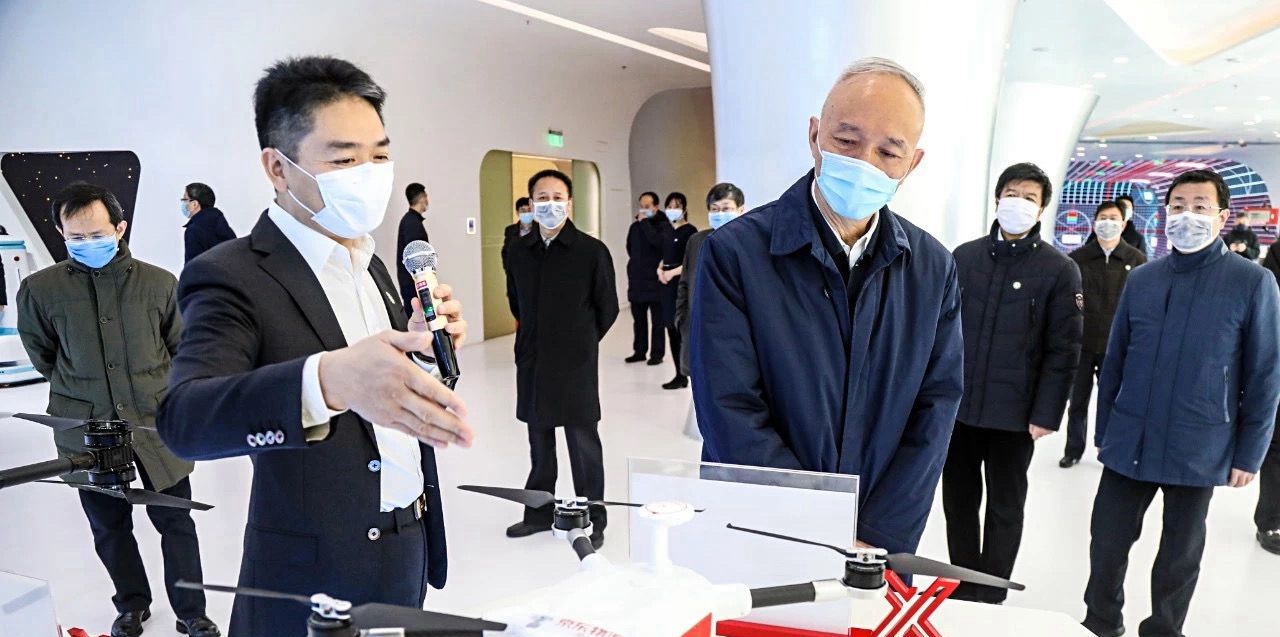
On February 16th, JD.com flied its two drones to spray disinfectant in the High-Tech Industrial Development Zone of Ordos City, an important industrial city of Inner Mongolia, China. With an increasing number of people returning back to work from their hometowns following the Spring Festival holiday, JD’s drones have helped the city strengthen its protective measures against the coronavirus.

JD arranged two drones to spray disinfectant in specified areas. Each drone can carry ten liters of disinfectant at a time. With a flight radius of 5km, using drones enables the city to cover a wider and more thorough area than they would be able to cover with human personnel, in a shorter period of time.

Hang Ba, head of JD’s drone program, said, “In addition to supporting last-mile delivery, especially in hard to reach, or closed-off areas, our drones can also help with critical disinfection procedures during the coronavirus period.”

JD.com is a strategic regional partner with Ordos, and has leveraged its resources to help the city access epidemic prevention supplies. The implementation of its drone program for disinfection is another example of how JD is supporting the city, and showcases how the company leverages technology to help Ordos during this time. On February 18th, JD is scheduled to launch drone-based disinfection in Ordos’ Dalad banner (Banner in Inner Mogolia is a county-level administrative entity). It will also launch last-mile drone delivery services for some residential compounds and villages in Dalad banner that have been closed off, enabling convenient delivery while minimizing human-to-human contact.

JD’s drones have been used in emergency relief efforts for several years. In July 2018, the company deployed a team of drone engineers as well as drones and ancillary vehicles to support the Beijing municipal government’s storm relief efforts, which was JD’s first disaster relief effort using drones following its establishment of China’s first nationwide drone rescue team in May 2018.


Download the video and B-roll here: https://jdcorporateblog.com/gallery/

ling.cao@jd.com

Posted in ESG

A Second Wedding Anniversary to Remember

By Tracy Yang


Zhang Jiapeng, is a 25-year-old courier who works for JD Logistics in Pucheng, Weinan in China’s Shaanxi province. His wife is an intensive care nurse at Pucheng Hospital who signed up to treat coronavirus patients after the outbreak. Their wedding anniversary is on Feb. 13th, just one day before Valentine’s Day.

“Originally we planned to go to Xi’an to celebrate our second wedding anniversary.” said Zhang Jiapeng. Now they can only gaze at each other. They haven’t seen each other since Jan. 23rd, when his wife started to work in the isolated area of the hospital. Even on her days off, she stayed nearby the hospital in order to protect her family.

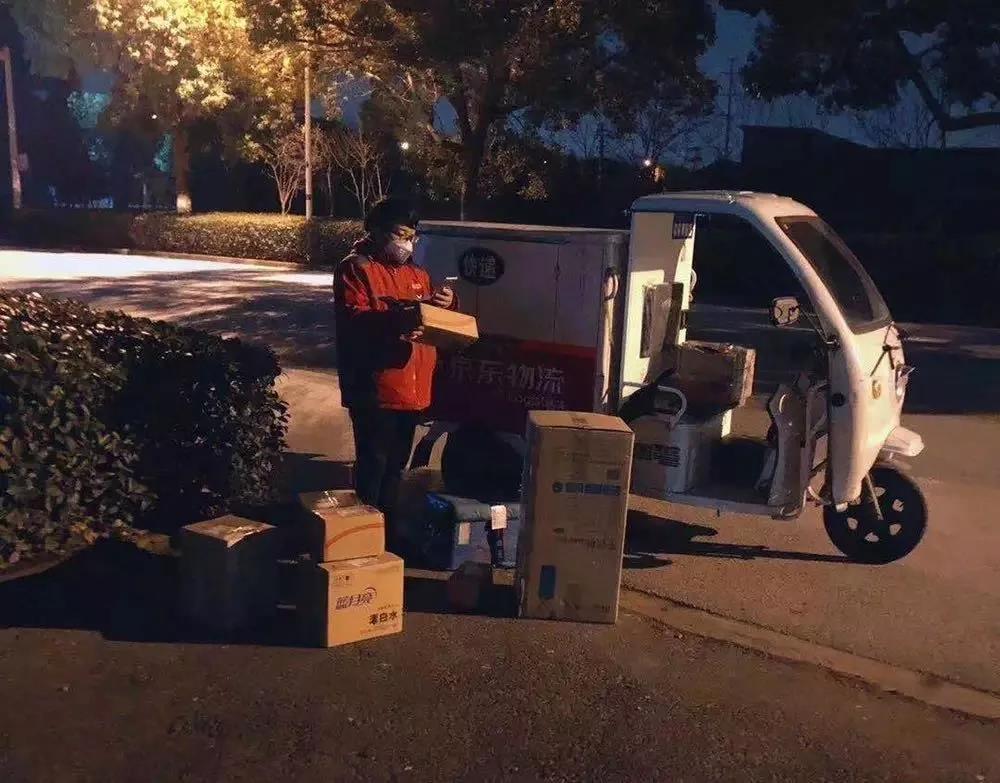
These days Zhang Jiapeng has also been working on the frontlines of the fight against the epidemic. After the outbreak, local consumers’ demand for prevention supplies, such as masks and disinfectant surged. Since the stores in Pucheng are all closed, local consumers have turned to online shopping for their daily needs, and Zhang Jiapeng needs to deliver a large number of orders each day. Zhang Jiapeng explains that, in addition to protective equipment, most of the orders during this period are diapers, milk powder, instant noodles, grain, cooking oil and other necessities.

This Valentine’s Day, instead of taking their trip to Xi’an, Zhang Jiapeng stood outside of the hospital with a poster which read “Happy Second Wedding Anniversary. Hope to see you at home soon.” Since he cannot enter the isolated area of the hospital, he can only stand about 30 meters away, and hold up the board for his wife, hoping that she can make out what it says.Zhang Jiapeng excitedly posted a message on his WeChat moments following his trip to the hospital.

Zhang Jiapeng excitedly posted a message on his WeChat moments following his trip to the hospital. It reads, “We are all the bravest people in front of the coronavirus. I finally get to see you. Even though it was just a distant glance. I believe that the coronavirus will eventually be defeated. I hope you come back. Love you. Happy second wedding anniversary.”

The outbreak of coronavirus is impacting Valentine’s Day across China. Many people in love cannot celebrate the festival together. Instead, they can only express their love through messages and gifts.

Considering a lot of people who celebrate Valentine’s Day cannot meet each other, the number of orders where the address of the sender and recipient are different, increased by 125%, among which the gift category increased by 146.7% and cosmetics and skin care products increased by 88%.

According to JD’s big data, the sales of candies and chocolate have increased by approximately 150% YOY. Flowers continue to be the first choice, among which sales of bouquets of stuffed animals or other toys, dried flowers and preserved fresh flowers have grown rapidly.


(tracy.yang@jd.com)

JD’s Special Support for Live Streaming during the Coronavirus Outbreak

By Yuchuan Wang and Hui Zhang

On February 13, JD.com announced special support for merchants, KoLs and multi-channel networks (MCNs, KoL agencies) doing live streaming e-commerce to better support the rising demand for online shopping.

This is in addition to the company’s ongoing supply of all kinds of products and fast delivery across China.

For merchants, JD Live will reduce the take rate to as low as 1%, provide extra traffic support, and waive all service fees. In addition, for projects aimed at helping farmers and relieving poverty, JD Live will also provide special policies and subsidies. At the same time, from now until the end of February, KoLs will receive cash subsidies for livestreaming in seven categories: food and beverages, fresh food, household cleaning and paper products, personal care, kitchen utensils, household products and pet life. New KoLs on JD’s platform will also get access public domain traffic.

In order to meet the needs of merchants for new product releases, JD Live has also upgraded its “Online Product Launch Conference,” which leverages 5G to broadcast at low latency. The upgraded function will enable merchants to gain access to JD’s massive marketing resources and tools.

Earlier this week, JD.com announced the launch of “National Fresh Produce Green Channel” to help farmers who are seeking a sales channel for their products due to the coronavirus outbreak. JD Live will provide free of charge live streaming service and subsidies such as coupons and JD points for merchants who participate in the initiative to leverage.

JD also invited county and village representatives to come into the JD Live studio and introduce their local specialties. On February 11th, the live stream featuring representatives from Yongfu country of Guangxi Autonomous Region attracted more than 300,000 followers in less than an hour. On February 12th, the live stream with Xianmei Liao, deputy magistrate of Yongfu county was watched by more than 400,000 viewers.

Due to the continuous impact of the epidemic, the flower market also suffered a heavy blow during the Spring Festival and Valentine’s Day this year. With wholesale markets at flower growing areas suspended, most of the supply has been cut off and florists are temporarily closed. As such, a large number of flowers have been disposed.

JD.com leveraged its technology, logistics and traffic to help florists survive the epidemic by organizing them to do live streaming through JD Live to attract customers. JD also contacted flower training institutions and florists to provide free courses on flower arrangement, thus attracting more consumers to buy flowers. Thanks to JD’s unparalleled logistics speed, most customers can receive flowers the same- or next-day they order them.


(yuchuan.wang@jd.com; zhanghui36@jd.com )

Posted in ESG

JD Health’s New Online Platform Ensures Drug Supply to Chronic Disease Patients

By Hui Zhang

JD Health launched a new platform this week to help patients with chronic diseases maintain their drug supply during the coronavirus. In the first four days, the platform received nearly 10,000 requests and the number keeps rising.

Many patients with chronic disease in China’s Hubei province, where Wuhan is its capital, are running out of their medication, since some local hospitals and pharmacies have suspended regular services, traffic control was strengthened, and people are in quarantine or home-isolation during coronavirus outbreak. To address these challenges, this newly launched online platform connects chronic patients with pharmaceutical companies and pharmacies, and provides timely information on where they can get the drugs they need, online or offline.

Patients can upload their personal information, including symptoms and medications taken, onto the platform. At the same time, pharmaceutical companies and pharmacies can register with the platform and upload information regarding which medications they can supply. The platform will then match patients with pharmaceutical companies and pharmacies who can meet their needs. The data received thus far reveals that patients primarily struggle with maintaining critical conditions such as epilepsy, cerebral infarction, myasthenia gravis, and even cancer, among others.

Many well-known pharmaceutical companies both home and abroad have joined the program so far, including AstraZeneca, Bayer, Boehringer Ingelheim, and Chia Tai Tianqing Pharmaceutical Group, among others. In order to encourage more companies or pharmacies to come on board, JD Health promises to waive the platform commission generated by every valid drug order in Hubei province.

China’s National Health Commission has emphasized that internet medical services have played an important role in the fight against the coronavirus, and helped patients avoid cross-infections. Online medical consultation has quickly become a popular way to see a doctor since the outbreak of coronavirus. JD Health, a major player in the digital health sector, launched free online medical consultation services, ensured timely medical supply during the epidemic period, and provided free live-streams to ease people’s anxieties about the epidemic.


(zhanghui36@jd.com)

Posted in ESG

JD Launches Initiative for Enterprises “Returning to Work”

By Yuchuan Wang

JD.com’s enterprise procurement business, JD Business, is launching an initiative to support enterprises across China as staff return to work during the coronavirus outbreak (COVID-19). The initiative will help enterprises in production materials supply and digital solutions (including remote working solutions), and also provide special support for small to medium- sized enterprises.

Impacted by the outbreak, companies have extended the Chinese New Year holiday nationwide to stem the virus spread and are gradually getting back to work this week. The ongoing epidemic and restrictions on transportation also pose great challenges to employee health and safety protection to ward off infection and require necessary production materials and office supplies. The new initiative leverages JD’s up-and-down-stream supply chain and technology services to help enterprises provide a more secure and organized return to work.

JD Business has established a Software as a Service (SaaS) procurement platform which can be easily deployed by enterprises in as fast as two hours. The platform is now open to enterprises free of charge and links them to over 30,000 JD partners including Lenovo, Cannon, Walch and Honeywell and others to provide cost-effective goods and scenario-based solutions.

In addition, JD Business also collaborates with its partners to offer professional equipment and solutions for enterprises to monitor body temperature, manage real-time air purification and office disinfection. It also offers short-term office equipment rental and delivery service for enterprises needing remote working systems. JD Business also provides enterprises with solutions for online medical consultation based on JD Health’s medical resources.

For SMEs, the initiative will provide special subsidies, financial support, operational support and incubation services to help them make it through trying times and to solve practical problems such as lack of funds, shortage of resources, weak virus protection capability and poor sales channels.

Even before the initiative was launched, from January 20th to February 1st, JD Business had collaborated with 1,139 large enterprises to provide 2.24 million coronavirus protection items to municipal governments, medical, transportation and other industries.

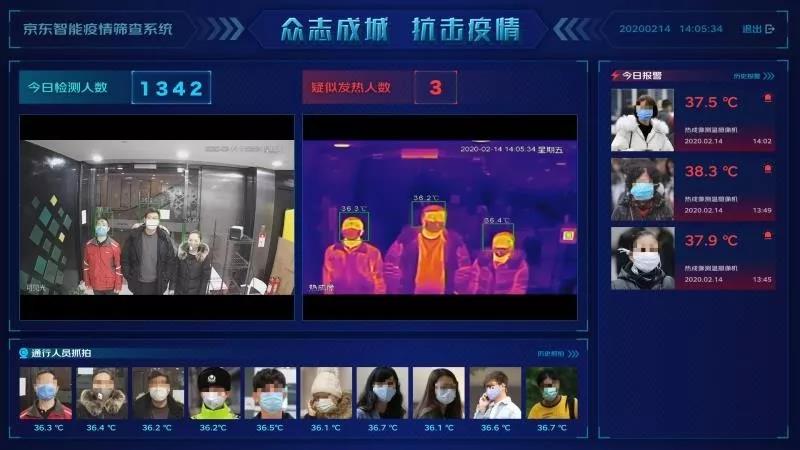
JD Business has also provided body temperature systemsGuaranteeing supply for the public transportation during the Chinese New Year migration period is also vital to controlling the spread of the virus. JD Business has fulfilled the delivery of over 450,000 items of anti-epidemic goods to nationwide public transportation organizations, including Kunming, Guangzhou, and Chengdu Railway. At Beijing, Guangzhou and Chengdu subway stations, JD Business has also provided body temperature systems that enable automatic testing and notifications to reduce passenger distraction and discomfort with greatly improved efficiency.

Posted in ESG