Topic

JD and the Future of Voice & AI in Retail

by Kelly Dawson

The rapid rise of voice and AI technology in recent years has only been accelerated by COVID-19, increasing the appeal of contactless communication that contributes to making consumers feel safe in physical environments, and providing additional means of communicating with customer service during a time when movement is limited.

While most consumers are more familiar with JD.com’s e-commerce business and advanced logistics network, behind the scenes JD is making enormous strides in voice-recognition technology and AI, earning international recognition for cutting-edge research in the field, and already impacting the lives of many, including millions of visually-impaired shoppers who are increasingly going online with the help of JD’s intelligent customer service.

In fact, voice will likely become people’s primary means of interacting with the digital world and the way consumers will interact with brands in the retail space in the future, according to a new report released this month by WPP, “Do you hear what I hear? Why brands have a crucial role to play in our voice-activated digital future?”

“Voice is fast emerging as the dominant computing interface,” the report notes. “It will connect us with the entirety of the digital world—some 1.73 billion websites as of Q4 2019, and more than 26 billion connected devices. Voice will be the way we engage with brands on multi-dimensional levels. Its impact will be profound.”


International recognition

One of the seminal lessons from the early adopters of technologies in retail and brands in recent years has been that experimenting early has given them a commanding lead in capturing the market, the report notes.

JD has been forging forward with its own research in voice-recognition technology, with recent acknowledgement at INTERSPEECH 2020, the world’s largest technical conference focused on speech processing and application.  The conference highlighted four papers from JD AI Research Institute, one of which was co-written with the University of Texas at Dallas. Covering topics including speech recognition, speech enhancement, voiceprint recognition and speech synthesis, all four papers represented innovative breakthroughs in the field.

One paper that was honored at the event addresses the problem of how reverberation and noise in a surrounding environment can interfere with voice recognition. JD AI Research Institute proposed a multi-directional sound detection method that uses acoustic signal processing to provide more abundant and accurate information.

Another paper, which was developed in cooperation with the University of Texas at Dallas, proposes a method to improve the ability to express and detect speech under complex conditions by applying multiple networks that are more easily understood by the decoder.

Additionally, JD proposed data enhancement solutions for far-field speaker recognition based on 1,100 hours of data from a total of 120 speakers to transform far-field data to near-field through technologies such as beamforming, channel exchange and de-reverberation.

This research and related technology have been successfully applied by JD in phone interaction scenarios including intelligent chatbots and customer service voice robots, with plans to expand further in the coming years.

Meanwhile, JD is already utilizing voice and AI to enhance the customer service experience, and making possible experiences that up until a few years ago were difficult to imagine for many.


New possibilities with speech

According to the China Disabled Persons’ Federation, there are more than 17 million visually impaired people in China, many of which are now able to enjoy the conveniences of online shopping thanks to JD. What would have been unthinkable in the past—placing an online order, for example—is now easily achieved with JD’s voice-search function, spoken notifications for functions from searching to payment, and even in notifying customers of new promotions.

Since 2016, JD has been continually upgrading its shopping app to serve disabled people, especially the visually impaired. In order to meet their needs, JD’s R&D team conducted in-depth research into the needs of visually impaired consumers, regularly interviewing members of this community for first-hand user feedback to recent changes to the app. Some of JD’s R&D team made a habit of visiting massage parlors staffed by blind masseuses, introducing new features and asking for their opinions and requests for how the app might better serve them.

Additionally, JD collaborated with the Information Accessibility Research Association based in Shenzhen, to accurately understand the needs of visually impaired people based on the organization’s data and research.

In an appreciation letter to JD, one visually impaired customer named Liquan Wu wrote, “Because of JD, I am able to shop freely in a way that people like me have always dreamed of; because of JD, people who can’t see can buy items for our parents, relatives and friends, which we could never do before. It feels so great that I never want to lose it.”

JD is also using voice to serve other communities. For example, JD Health and JD IoT jointly released a smart speaker product called “Family Doctor Guardian Star”, which integrates JD Health’s family doctor telemedicine program. Customers can speak to the speaker to call their designated general practitioners under the family doctor program, and make face-to-face appointments via voice commands. The speaker can also be connected with other health monitoring devices so that patients and their doctors are more easily able to achieve a comprehensive understanding of the patient’s needs.


Voice & AI 

In order to hone in on more accurate, satisfying responses over time, voice technology is often enhanced with AI, another area in which JD is making rapid advancements.

For example, China Unicom customers in the Southwestern Chinese province of Sichuan, are already benefiting from the network’s partnership with JD, which integrates AI into its customer service apparatus.

Customers who call the customer service hotline are greeted by a natural-sounding voice that responds to their needs, seamlessly transferring them to a customer service representative if necessary. AI is also integrated into JD’s text messaging customer service communications, ultimately drastically improving the response rate, accuracy level and overall satisfaction level. As of this year, 95% of inquiries received by JD partner West China Medical University Second Hospital’s AI-powered medical care customer service created by JD are answered by AI at a 90% accuracy rate, according to JD.

JD receives millions of customer service inquiries every day, and during JD’s June 18 Grand Promotion, its smart customer service chatbot fielded more than 32 million text and voice inquiries, of which 90% were solved independently.

JD’s chatbot uses deep learning and transfer learning technologies to respond to requests, and is even able to detect the subtlest of human emotions in real-time and provide appropriate responses.

For example, if a customer uses language or a tone that signals frustration, the chatbot will soften its tone, using comforting language while providing proposed solutions to the customer’s complaint.

In fact, this kind of adaptive AI and voice interaction is just the beginning, according to WPP. Voice technology will be able to recognize detailed nuance in speech patterns, and will be able to measure not just actions but intentions, as well as detect emotional states.

“Because online commerce will grow increasingly conversational, this will make it far more human-like,” WPP predicts. “It will become contextual and personal. And this means it can be used across the length of the commerce journey to purchase. It will stretch from search to purchase; to post-sale support, and include opportunities for evaluation and comment. Welcome to the world of ‘true conversational commerce.’”

As JD continues to advance across multiple industries, adapting to customers’ ever-evolving needs will be essential. Voice and AI will be a key tool in meeting those demands.

As Dr. Bowen Zhou, President of JD Ai has said, “AI is not just a technology. It’s a solution to some of the most pressing challenges faced by many industries.”


(kellydawson@jd.com)

JD’s Data: Gifting Tendencies Vary by Ages

by Ella Kidron and Hui Zhang

According to a new report released by JD on Dec. 28, gifting in China is not just about politeness. Giving gifts is also increasingly a way to convey emotion, especially for Generation Z, and the tendencies vary widely by age.

According to JD’s data, parents are a constant recipient of gifts for consumers at any age. Generation Z is most focused on giving gifts to parents, teachers and classmates, where as consumers 26-35 years old give most frequently to their significant others. Middle aged (36-45 years old) consumers spend more on gifts for clients and friends, while elderly people send the most gifts to children, even grandchildren.

There is also a big difference in when people buy gifts. As consumers get older, they are more inclined to give gifts around traditional holidays such as Spring Festival, Dragon Boat and Mid-Autumn Festival, rather than based on personal dates of significance such as birthdays, wedding anniversaries, and more. International Children’s Day (Jun. 1) has the highest proportion of gift givers between the ages of 36-45 and over 56 years old, indicating parents or grandparents are the main force driving this consumption. Comparing data from Christmas, Valentine’s Day (Feb. 14), 520 (Chinese Internet Valentine’s Day held on May 20, and the Chinese pronunciation of 520 and “I love you” is close to “I love you” are similar ) and Qixi Festival (Chinese Valentine’s Day) indicates that it is in fact Qixi festival which drives peaks in categories such as jewelry, watches and cosmetics.

Based on JD’s big data, an increasing number of leading global brands chose JD to release their new products or limited holiday gifting packages, such as Salvatore Ferragamo, Montblanc, OLAY, and others, during festivals and holidays. In December, JD has partnered with Japanese photographer Mika Ninagawa(蜷川实花) to release a limited holiday collection of apparel. Ninagawa is known for her brightly colored photographs of flowers, goldfish, and landscapes.

When it comes to choosing gifts, most people will choose ‘what the other person likes’. This increases with age. Younger people are more likely to directly ask the gift recipient what they want. They also pay more attention to the “success rate” of gift giving; in other words, making sure the gift they buy is what the recipient wants rather than a surprise just for the sake of it. Consumers between ages 16-25 are also most likely to shop for gifts online, as are consumers over 56 years old, who might appreciate the convenience due and accessibility of online platforms as they age.


(ella@jd.com; zhanghui36@jd.com)

Photo Gallery: This Week at JD (December 28 – December 31)

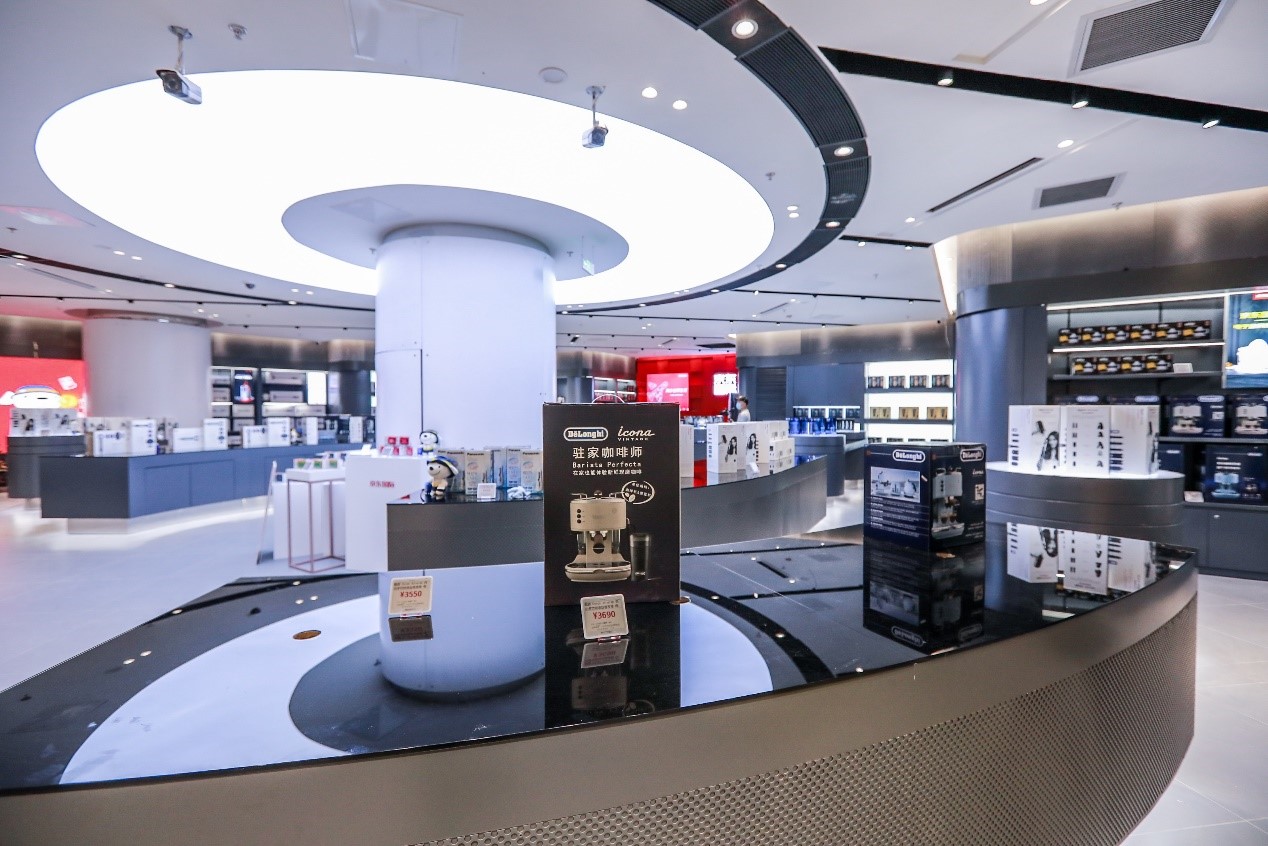
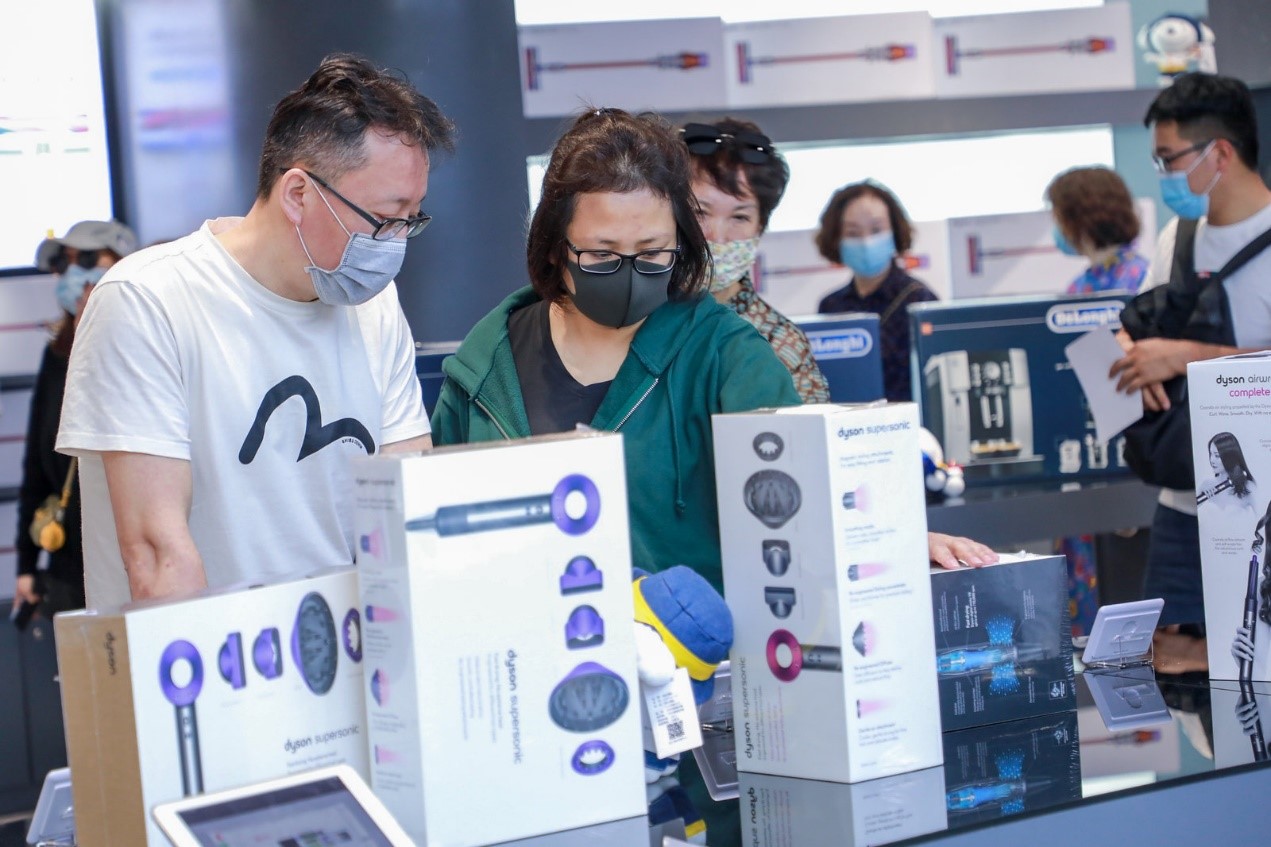
JD Worldwide opened a duty free store in the city of Sanya, Hainan province on December 30th. The store is located on the second floor of Sanya Hailv Duty Free City, at the center of Sanya. It focuses on electronics and digital products, including over 30 hot-selling products from brands like Dyson and De’Longhi.


As local fisheries started the annual winter fishing season on December 28th, JD ramped up its annual fast and traceable delivery of signature bighead carp fished out of Chagan Lake in Jilin province in Northeast China. Last year sales of fish from Chagan Lake increased by eight times on JD, compared with the same period of 2018.


Sixty environmentalists joined hands with JD Green Stream Initiative in Guangzhou on December 26 to jog on Phoenix mountain while picking up rubbish on their route. The 4.7km jogging event was the kick-off of JD’s one-month Green Stream Plogging activity, which will go to 10 cities in Southern China including cities of Shenzhen, Nanning, Xiamen, Sanya and others. Plogging is a combination of “jogging” and “plocka upp” (Swedish for “to pick up”).


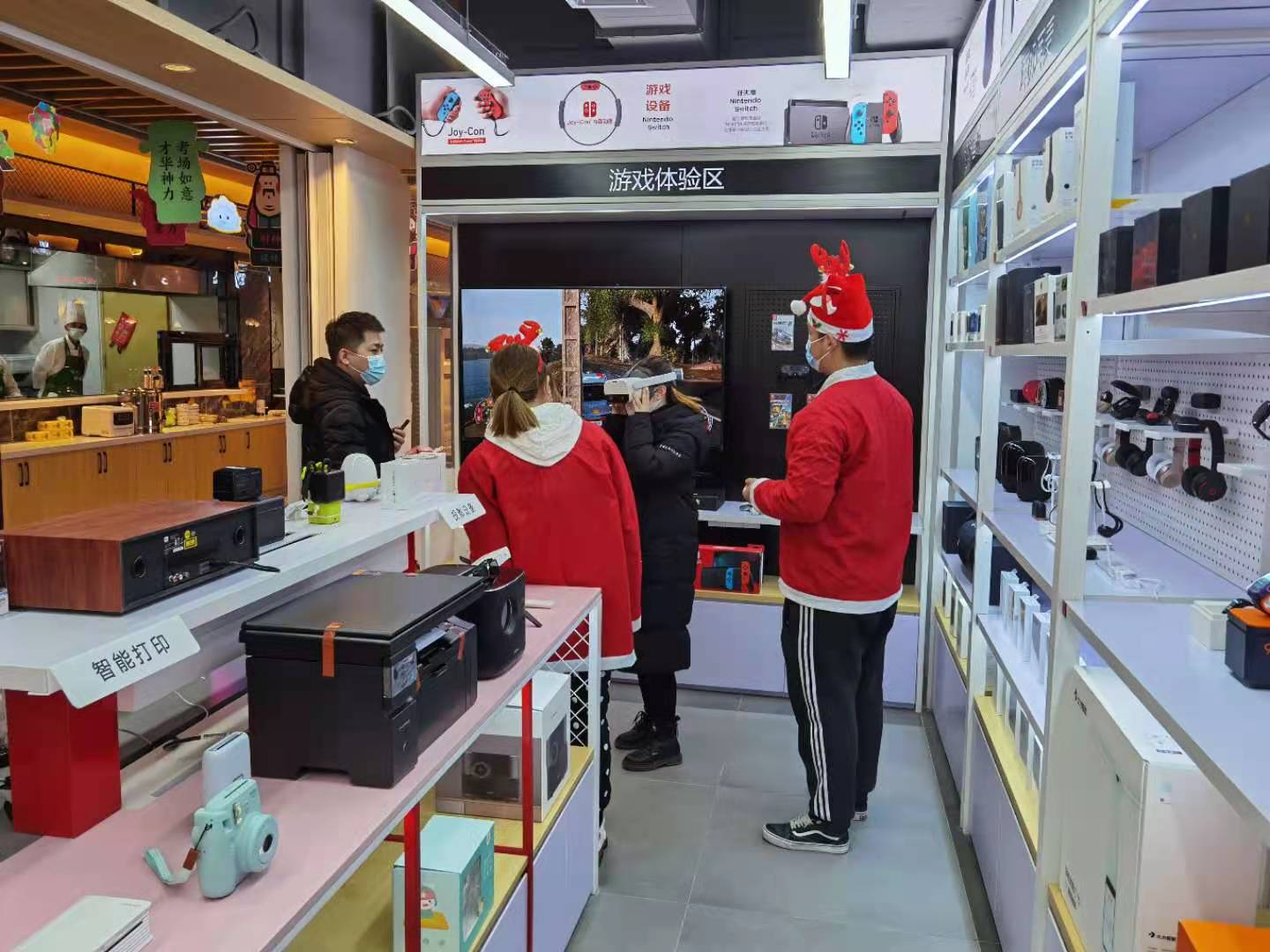
JD opened its first computer and digital products store gathering the most popular electronics products at Daxing Joy City shopping mall in southern Beijing, targeting young customers and those who like trendy products. Products from Huawei, iFLYTEK, Xiaomi, Honor, Keep and more have attracted groups of customers to visit the new store.

JD Worldwide Opens Duty Free Store in Sanya

by Rachel Liu

JD Worldwide held a grand opening of a duty free store in the city of Sanya, Hainan province on December 30th.

The store is located on the second floor of Sanya Hailv Duty Free City, at the center of Sanya. JD Worldwide works with a company under Hainan Tourism and Investment Development Co. to jointly operate the store.

JD Worldwide held a grand opening of a duty free store in the city of Sanya, Hainan province

The duty free store focuses on electronics and digital products, including over 30 hot-selling products from brands like Dyson and De’Longhi. For example, the store exclusively launched Dyson’s Digital Slim Fluffy vacuum cleaner, which is 30% lighter than usual Dyson products, specially designed for Asian families. In the future, JD Worldwide will leverage its supply chain advantages on electronics products to provide more duty free products.

The store also integrated JD’s technology on cloud & AI, logistics, supply chain and omnichannel to provide an upgraded shopping experience for customers. There are interaction devices in the store that can recommend hot-selling products to customers according to their demands. Cloud shelves allow customers to scan QR codes and shop for products online, and analyze sales results of products in the store to provide suggestions on store operations. Customers can also shop for duty free products through the online store after leaving Hainan province.

The duty free store focuses on electronics and digital products, including over 30 hot-selling products from brands like Dyson and De’Longhi

Since July 1st, Hainan has increased its annual duty-free shopping quota to RMB 100,000 yuan per person, and cancelled the previous limitation that a single product cannot surpass RMB 8,000 yuan. The range of duty free goods has also expanded from 38 categories to 45.

The offline store is not only an important result for JD on developing duty free business in Hainan province, but also a new attempt for JD to provide richer product choices for customers. In the future, JD hopes to put more efforts in the development of retail and duty free business in Hainan. JD Worldwide is also preparing to launch an online duty free store to provide an omnichannel shopping experience for customers.


(liuchang61@jd.com)

In-Depth Report: JD Health’s Footprint on Diabetes Management

by Hui Zhang

Statistics from the National Health Commission of China show that there are now nearly 300 million people with chronic diseases in China, with an annual increase of about 10 million people. The prevalence of chronic diseases in China reached 23% in 2019 with deaths accounting for 86% of the total number of deaths. Chronic diseases have become a major cause of death in China.

Based on such a large population of patients with chronic diseases, assisting them in health management has become increasingly important. Telemedicine, a new method for health management, is also gaining attention and support from both the government and the public.


Policy Supports

As early as July 2018, the National Health Commission and the National Administration of Traditional Chinese Medicine issued documents to encourage all parties to actively provide online consultations for both common and chronic diseases, as well as follow-up health management guidance. Since then, the two departments have issued measures for the administration of internet hospitals and telemedicine, giving detailed guidance on internet+ medical service.

On March 20, 2019, a spokesman from the Planning Department of the National Health Commission said at a press conference held by the Joint Prevention and Control Mechanism of the State Council that in the process of pandemic prevention and control, all parties are encouraged to organize online consultations, offer follow-up consultation services for patients with chronic diseases online and provide instant drug distribution services. He also suggested that internet diagnosis and some types of treatment should fall under the payment scope of the medical insurance fund, expanding the online service space and alleviating the pressure on offline medical treatment.

“Patients with minor and chronic diseases are well suited to consult through Internet hospitals,” said Lijun Xin, JD Health CEO. “JD Health cooperates with local health care commissions nationwide to build an integrated online and offline medical system for local cities, thus to intervene in the precise health management of individual users with chronic diseases, significantly improve their compliance, and also save health insurance resources and improve the quality of medical care for patients.”

JD Health’s Doctors

JD Health’s Doctors


JD Health’s Role

Thanks to the government’s policy support, JD Health, as one of the key players in the field of telemedicine in China, gives full play to its supply chain advantages such as industrial chain resources and cold chain logistics, as well as technological advantages such as AI, big data, and IoT to provide integrated and closed-loop online medical services to patients with chronic disease. So far, JD Health has launched three chronic disease centers, which are the cardiology, respiratory and diabetes center. JD Health is committed to helping patients with chronic disease by offering online consultations, telemedicine appointments for long-term chronic disease management, ensuring instant drug supply, providing a smart and life-long method for health management, and more.

Diabetes Center on JD Health

Diabetes Center on JD Health

Take the Diabetes Center as an example: JD Health serves patients with chronic disease in the following three aspects. First, integrating online resources with offline medical institutions to meet patients’ daily medication needs. Second, joining hands with leading medical device companies to assist in health management in a smart way; and third, helping patients to live a normal life through offering various healthy products for them instead of simply restricting their diet.

O2O approaches

For diabetic patients with stable conditions, their major needs are instant medical consultations and repeat prescriptions. During the earlier stages of the pandemic, patients with chronic disease in China’s Hubei province were running out of their medication, since some local hospitals and pharmacies had suspended regular services, traffic was restricted, and most people were in quarantine or home-isolation. To address these challenges, JD Health initiated a Chronic Disease Care Project by launching a platform that received 17,000 requests for medicine; 80% of those requests were fufilled.

A lesson learned from the pandemic is that an integration of online and offline services will maximize the effect on chronic disease health management. For diabetics, combining online follow-up prescriptions with offline face-to-face treatment and integrating pharmaceutical supply chain can serve them comprehensively and continuously.

JD Health works closely with diabetes experts and world leading pharmaceutical companies to ensure high-quality services. JD Health can provide patients with a series of professional services including follow-up prescriptions, medication guidance, diet and exercise guidance and more. Leveraging JD’s nationwide logistics network, cold chain capability and cooperation with offline pharmacies, 80% of drugs and other products can be delivered within 24 hours.

JD Health is also working with hospitals to offer supplemental services to online treatment.

For example, JD Health worked with Guangdong Clifford Hospital (广东祈福医院) to construct an offline “Diabetes Intelligent Care Center” which is designed to provide intelligent care assistance to diabetes patients via its comprehensive “internet + health care” services. In their partnership, JD Health and Clifford Hospital take advantage of their respective strengths to create a standardized process for patients, build customized plans for each diabetic in terms of diet, exercise, health data monitoring, drug use, etc., and provide targeted care and guidance for patients with cognitive impairments.

JD Health worked with Guangdong Clifford Hospital (广东祈福医院) to construct an offline “Diabetes Intelligent Care Center”

JD is also collaborating with world-famous biopharmaceutical companies such as Sanofi, to facilitate patients with well-rounded chronic diabetes management. Both sides leverage their strengths to explore areas of online consultation, insulin cold chain distribution, and education of both medical institutions and patients. Through this cooperation, Sanofi shares its expertise in diabetes management with JD Health. Patients are able to order diabetes treatment medicine through the JD app, and then pick up their medicine from the nearest pharmacy, or can rely on JD’s effective cold chain fulfillment capability, which ensures the insulin be delivered in as fast as 30 minutes.

“Preventing diabetes and complications requires not only the help from doctors and hospitals, but also the joint efforts and joining of forces from all walks of life. Internet medical care can improve the effectiveness and efficiency of patient education, management and medical care, and facilitate diabetes to be handled quickly. It is also the original intention of my cooperation with JD Health Diabetes Center,” said Dajin Zhou, former deputy director of Chinese Diabetes Society (CDS) and chief physician of the department of endocrinology of Shanghai Tenths People’s Hospital, who joined JD Health’s Diabetes Center after years of practice.

“From a purely therapeutic point of view, medication accounts for only 30% of the treatment of diabetes. Lifestyle management, such as nutrition and exercise, accounts for 2/3 of the share,” said Zhou. “So I think it is very important to use technology platforms to promote planning and individualization of diabetes management.  It is also the future direction of development.”

Technology Application

With the diversified individual needs from diabetics, the application of technology to match patients with the most appropriate medical resources and customize personalized management plans are increasingly significant.

For example, the JD Health Diabetes Center uses big data, AI and other means to achieve accurate matching between doctors and patients, so that patients can find the most suitable doctors for them. JD Health collaborates with medical device companies to promote smart health management. All the data about the patients will be collected and uploaded from their medical devices onto the care center platform where patients’ real-time health reports will be automatically generated. This will help doctors to update and optimize their diagnosis and treatment plans, a process that greatly improves the effectiveness while reducing expenses.

For example, JD Health’s cardiology center and Japanese electronics manufacturer Omron reached an agreement on October 12th to deepen cooperation on co-creating intelligent health management solutions for chronic diseases. Under the agreement, both sides would use their respective resources to offer more convenient, professional and creative health management services, including co-designing devices for blood pressure management, telemedicine services, and more.

Jianbo Xiao(left), general manager of JD Health, Dayi Hu (middle), one of China’s top cardiologists, and Yao Zhao, general manager of Omron Heathcare China

Jianbo Xiao(left), general manager of JD Health, Dayi Hu (middle), one of China’s top cardiologists, and Yao Zhao, general manager of Omron Heathcare China

Meeting Needs of Daily Life

Diabetics attributed their poor blood glucose control to not managing their diet well and not balancing their work and rest. Among these factors, controlling their diet is the most difficult task for diabetics, especially during their daily meals on working days. Letting them enjoy life as normal people do has always been a challenge.

According to JD’s data, nearly 10 million people purchased diabetes-related drugs, monitoring instruments, consumables, videos and more in 2019, and most of the consumers also consulted online at JD Internet Hospital after purchasing related goods. Through JD Health Diabetes Center, patients can not only get a personalized diet plan, but also directly purchase low-cal fast food, healthy snacks, nutritional health products and more, which can solve the inconvenience of daily dining as well as meet their needs for a variety of food without causing health problems or making them feel guilty.


Health Management in a Pandemic

During the pandemic, JD Health launched a platform to help patients with chronic diseases maintain their drug supply. The platform connects chronic patients with pharmaceutical companies and pharmacies, and provides timely information on where they can get the drugs they need, online or offline.

In addition to launching a platform, JD Health has been collaborating with nearly 60 pharmaceutical companies to provide patients and consumers with online prescription refills, advice on medication, and drug delivery service to ensure adequate supply to patients with chronic diseases, such as diabetes and hypertension – especially for those in Hubei province. Drug deliveries can be made in as fast as within 30 minutes from ordering to keep patients from unnecessary leaving of their homes.


Future Development

With increasing support from both government and society, more and more online platforms have been testing the water in the field of chronic disease, one after another. To cope with the homogenization of competition and improve operation abilities, JD Health and other online health platforms should consider expanding the number of cooperative pharmaceutical companies, and improve their medical services. As Chinese patients have not completely formed the habit of paying for online medical services, improving the quality and efficiency of medical services are the key to speeding up the digitalization of medical services.

“Like education, health care is an industry that inherently comes with a socially beneficial nature. JD Health has made two things clear from the very beginning. The first is to help solve the problem of difficult and expensive access to medical care, and reduce the cost of time and money. Second is to apply our technology and service advantages to improve efficiency, quality and thus optimize the consumer experience,” said Xin.


(zhanghui36@jd.com)

JD Digits to Publish a Book on Industrial Digitalization

by Vivian Yang

JD Digits Research Institute will publish a new book  in Chinese language by CITIC Publishing House titled Industrial Digitalization in January 2021. With COVID-19 ramping up digital transformation across sectors, the book is expected to provide valuable insights and practical guidance for both traditional and emerging industries as they gather pace in going digital.

The book "Industrial Digitalization" will be published in January 2021 in Chinese language

The book “Industrial Digitalization” will be published in January 2021 in Chinese language

The book argues that under China’s dual circulation economic strategy, which involves industrial upgrading and tapping into the country’s huge domestic market, the digital economy will serve as a golden key to start a new engine for the transformation and development of China’s economy.

The institute, led by Dr. Jianguang Shen, Chief Economist of JD Digits and the lead author of the book, focuses on the studies of macroeconomics, industries and digital technologies based on the tech giant’s vast data resources.

Dr. Jianguang Shen, Chief Economist of JD Digits and the lead author of the book 

Dr. Jianguang Shen, Chief Economist of JD Digits and the lead author of the book 

“The development of industrial digitalization is centered on data, supported by technological advancement and driven by the goal of higher production efficiency. In the digital era, every industry deserves to be digitally reinvented, and this momentum is also key for China’s economy to break the growing bottleneck and pursue high-quality growth,” the book notes in the preface.

Across 15 chapters, the book demonstrates a comprehensive grasp of the status quo and prospect of China’s digital industrial transformation. It dives into the key technologies behind the rise of the digital economy such as AI, big data, block chain, 5G, IoT and more, and proposes a path forward through concrete actions for digital industrial reforms.

Also examined in the book are a string of real-world cases with the use of digital technologies in the fields of finance, city planning, farming, marketing, consumption, payment and more, in order to explore the second growth curve for each sector.

The main trends to accelerate industrial digitalization in the coming years are the power of data, traditional enterprises’ integration with technology platforms, and synergy with government and city projects, according to Dr. Shen.

The book is co-authored by Tian Jin and Jin Gong, both senior researchers of JD Digits Research Center.


(vivian.yang@jd.com)

In-depth Report: JD’s e-Sports: A Golden Bridge Connecting Customers and Manufacturers

by Ling Cao and Ella Kidron

When people are gaming on their cell phones, they process is easy. Go to the app, and play. The veteran gamers will gradually add all sorts of accessories to trick out their gaming devices, operating with more and more precision.

Nevertheless, very few people would come to think about what goes on behind the scenes of this rapidly developing industry. As an early mover in gaming laptops and phones, and as the force behind an award-winning e-sports team, JD has demonstrated how the gaming ecosystem is inseparable from a strong supply chain.


RMB 270 billion by 2022

According to an industry report, China’s e-sports market grows 10% annually and is expected to reach RMB 270 billion yuan by 2022. Furthermore, On Dec. 16, e-sports was declared an official event for the 2022 Asian Games in Hangzhou, China.

Globally, people have spent more time gaming while at home during COVID-19. China is no exception. JD data shows that the epidemic has promoted the growth of online gaming and more and more customers have bought game related products on JD in the past year.

When inventory was tight at the height of the outbreak, JD used its supply chain advantage to help merchants resolve their stock-out challenges. Going forward, the habits formed around gaming during COVID could be indicative of a long-term trend.


How JD got its start in e-sports

JD, which entered the consumer electronics category very early on, moved into the gaming space in 2014 with the first gaming laptop, the G150TB in collaboration with Haier’s high-end laptop brand Thunderbot, with the primary purpose of supporting hours of uninterrupted game time, rather than e-mail, surfing the internet, or even watching movies. In 2015, JD formed a Game+ department, starting with gaming hardware. Also in 2015, the company collaborated with HP to develop the OMEN series laptop. The project involved a deep analysis of JD’s consumer behavior data to determine the ideal specifications from screen size, to memory and more.

HP’s OMEN series laptop

HP’s OMEN series laptop

Several years later, there came gaming phones. Finally, moving from being an observer and a facilitator of gamers and gaming to being a full-fledged participant, the company made the decision to operate its own e-sports teams. In the whole process, JD is connecting links from upstream to downstream, from manufacturer to customer.


A Bridge between JD and Players

According to Daniel Tan, president of JD Mobile Devices, “Games have become one of the best ways to relax and socialize for younger generations. They can also work as bridge to increase JD’s brand awareness, attracting gamers to search for gaming devices and equipment on JD.” He added, “By entering deeply into the e-sports industry, through efforts such as forming game teams, we gained more valuable feedback from users, which drove our Consumer-to-Manufacturer (C2M) product launch.”

According to Daniel Tan, president of JD Mobile Devices

Daniel Tan

The company has also launched game related programs in campus. By cooperating with Tencent to build a campus e-sports player system, both companies have worked with young people to design gaming phones. Design ideas from the initiative will then be put into use in future product design and development.

Dr. Dan Wu, general manager of game device platform at Tencent shared that a recent survey showed that that when buying a new phone, 70% of gamers will focus on whether the phone is good for playing games, 65% of them will focus on smoothness of experience, clear picture quality and ability to endure long gaming sessions. ” We hope the cooperation with JD will promote the awareness of gaming phones among users of our game,” said Wu.


JD’s Gaming Layout

Liangkun Jiang, head of e-sports at JD JD Mobile Devices, witnessed the establishment of JD Game+ firsthand. “In the beginning we just wanted to create a new category, because game players are key users for computer and digital products, and e-sports combines both software and hardware industries,” he said. Jiang shared that one good game can promote development of the entire industry. When the famous e-sports PUBG (Player Unknown’s Battlegrounds) launched in 2018, the high requirement for hardware accelerated the upgrading of gamers’ devices. At the same time, hardware companies were all concentrating on upgrading computers, monitors and video cards and more, as well as accessories which use the game’s IP. Through gaming competitions, more and more users will get to know the game. Further, Jiang shared, “We also found it’s important to operate our own game teams, in order to provide an integrated gaming environment for users.”

Liangkun Jiang is attending an e-sports competition held by JD during Singles Day. From left to right: Xiwen Xu from JD Communications; Lingyi Cheng from JD Communications, Chunle Wang from JD’s marketing department, Liangkun Jiang, Bo Yang from JD’s marketing department, Qiaoqiao Wang from JD’s marketing department, Qi Liu from JD Communications

Liangkun Jiang is attending an e-sports competition held by JD during Singles Day. From left to right: Xiwen Xu from JD Communications; Lingyi Cheng from JD Communications, Chunle Wang from JD’s marketing department, Liangkun Jiang, Bo Yang from JD’s marketing department, Qiaoqiao Wang from JD’s marketing department, Qi Liu from JD Communications

JD has also holds game competitions. Zhiqiang Cui, head of the gaming department at JD Computers and Digital Products shared that this year is the sixth year of the annual JD E-sports Competitions. Leveraging JD’s experience in e-commerce, marketing activities such as livestream, and see-now-buy-now programs, the competitions can help connect JD with its customers. Data showed that customers frequently search game related words, such as LPL, go for it JDG team, game devices and more, on JD during the competitions. As Cui explained, “E-sports can extend a game’s life cycle, and promote sales for e-commerce platform like JD.”

Zhiqiang Cui, head of the gaming department at JD Computers and Digital Products

Zhiqiang Cui


The Importance of the Gaming Supply Chain

A strong supply chain doesn’t only mean fast delivery and stable inventory, more importantly, it means a tailored solution based on customers’ needs. The PUBG cooperation with Tencent has proved how industry players can work together to provide a solution which provides maximum benefit for customers.

Cui shared, “Currently the game laptops is an important sub-category for JD’s computer and digital products business. JD has worked with many brands to design C2M products, which are welcomed by customers.” These C2M initiatives, which leverage JD’s inherent supply chain capabilities as well as marketing, can help manufacturers expand their product lines, and using the IP of the game to do marketing can also enhance overall sales.

“In the end, JD aims to create a platform, which can share all of the requirements from hardware, software companies and gamers, and effectively deliver a better experience.


Further Penetrating

JD has launched many offline stores to provide an omnichannel sales experience for customers, including JD Retail Experience Shops, JD Computer and Digital experience stores and more. These stores are also a place to connect game players as JD has set up full-gaming layouts in some of the locations. For example, at JD’s E-Space experience store in Chongqing, there is a special e-sports area where youngsters frequently will go and play games with their friends on the weekend, or attend events with top gamers.  JD also works with internet cafés.

E-sports area inside JD’s E-Space in Chongqing, China

E-sports area inside JD’s E-Space in Chongqing, China


Looking ahead

JD has been continuously developing the gaming sector. On Dec. 18th, the company launched an e-sports gaming phone alliance with industry partners in Sanya, Hainan province. The alliance leverages JD’s expertise in supply chain, technology, distribution, marketing and payment solutions to upgrade the gaming ecosystem, and also solidify JD’s position in it.

As technology is getting more advanced, gaming is getting more sophisticated. Daniel shared, “With new technologies such as 5G and IoT, it may be possible to develop cloud-based games. This means players will not be limited by devices, and can play games whenever and wherever they want. This will require platforms like JD to integrate resources based on supply chain capability.”

Daniel added, “I hope players in the industry can share user resources, so that gaming-related services can be delivered with more precision, attracting a group of loyal customers with a high repurchase rate. Finally, we hope to make more contributions to the whole industry.”


(ling.cao@jd.com; ella@jd.com)

JD Helps Elderly with Digital Service System in Tianjin

by Ling Cao

With the sudden drop in temperatures across China’s northern region this week, JD’s robots have called and alerted elderly people in Tianjin in advance, reminding them to wear warm clothes. According to JD, the robots will provide regular calls to over 5000 elderly people who live alone in Tianjin, combined with human calls and indoor care services.

The program is part of a digital elderly service platform which JD Cloud & AI cooperated with the Hexi district of Tianjin municipal government. After a year of system construction, the platform is an integrated source to manage and update elderly people’s information in one place, such as family status and health conditions, and providing them with efficient service solutions.

One example is the one-click device (“一键通” literally means “one click and done) built for elderly customers, which is part of the overall program. In the morning of November 10th, Ms. Weng, an elderly woman who was home alone, felt uncomfortable. Her daughter was sick and hospitalized at the time, so she immediately pressed the device for help. The residential compound’s workers and volunteers came to see her in just five minutes.

A representative from JD Cloud & AI said, “As one of the key technology providers for the program, the platform is a trial to leverage technology into services for the elderly, which on the one hand, meet the elderly people’s demands, and on the other hand, make the whole process fast, efficient and cost-effective.”


(ling.cao@jd.com)

Posted in ESG