Topic

JD Empowers Small Business Owners

by Kelly Dawson

For many brick and mortar stores, 2020 was a test. Droves of Chinese customers went online for the first time, and stayed online even as life began to normalize when the virus was brought under control. For Li Yao, the owner of a convenience store in Chengdu, Sichuan province, his decision to work with JD’s social e-commerce platform Jingxi three years ago proved essential in not only surviving but thriving in a year that saw many offline stores hit hard.

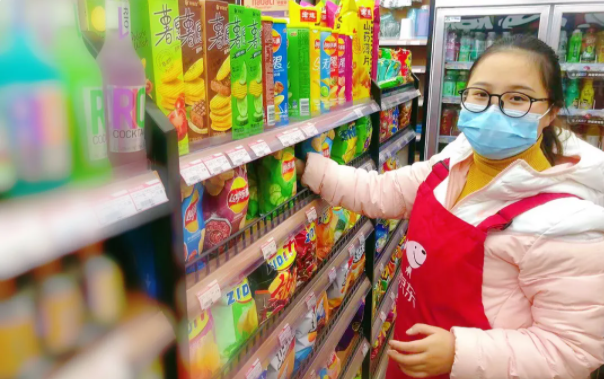
Li's wife stocks shelves in their convenience store in Chengdu, Sichuan province
Li’s wife stocks shelves in their convenience store in Chengdu, Sichuan province

In 2017, Li and his wife were struggling to generate a daily turnover of even a few thousand yuan; and found the work of running the store to be tiring and inefficient. Using a notebook, Li painstakingly noted down daily transactions and calculations, marking products that needed to be restocked, what to buy next, and where he might find the best price. Worse, this process was often inaccurate and difficult to predict, resulting in expired products at the end of some months. Sometimes customers requested popular products that were still en route from the warehouse, and walked out empty-handed.

Li knew that this wasn’t sustainable. He scoured local information about other brand stores to which he might attach his business, but ultimately found that the product selection and prices weren’t to his advantage—until he learned about the opportunity to work with JD’s Jingxi platform, which empowers small business owners.

Li contacted the local account manager, a man named Xiao Jiang, and within a few minutes, had decided to do business with JD.

According to Xiao, Li’s problems are exactly what JD’s empowerment platform is set up to address, with a complete set of intelligent solutions and professional team guidance to improve the efficiency of the store. As Li began working with JD, Xiao visited the store often to provide guidance on how to set up display shelves, how to place orders on the JD shopkeeper app, which products to select, and more.

As a member of the post-1990s generation, Li quickly learned the ropes. “After he showed me how to place the orders, I received the goods the next day in the store. I now have a wider selection of snack foods and popular products to choose from, and it’s the fastest way to stock the store.”

JD provides a smart “butler” store management system and automatic replenishment system, cutting away all the tedious processes that Li had previously struggled with while running the store.

“There are smart recommendations for hot products, and it reminds you when replenishment is needed,” Li said. “The system will also recommend to eliminate products that sit in the store for too long, so you don’t continue to buy slow-moving products. In this way, through the automatic adjustment of the smart product stock, the store continues to do better and better business.”

Li’s store has also transitioned to an omnichannel structure, enabling the store to reach more customers and increase revenues. Xiao helped Li navigate the process of opening a JD Convenience GO mini program for the store. Now, when a customer comes to the store, they will receive a notification of discounts that are available, and be reminded that they can order the product to be delivered directly to their home.

“The future development of shopping will definitely be a combination of online and offline,” Xiao said. “Having a mini program is the equivalent of having an online store for free.”

After linking his business to the mini program, Li’s store gained 500-600 new customers during the 11.11 Grand Promotion. These days, Li’s store easily generates RMB 10,000 yuan in daily sales, compared to his previous daily maximum of a few thousand, before he began working with JD.

“After working with JD, it’s not only my business that has undergone major changes—it’s also my thinking,” Li said. “JD has brought a lot to me, and therefore to my customers, thanks to high-quality products, and a strong store management system that enables me to meet consumers’ changing needs.”


(kellydawson@jd.com)

JD and ThundeRobot-Sponsored ACE College League (ACL) Concludes

by Hui Zhang

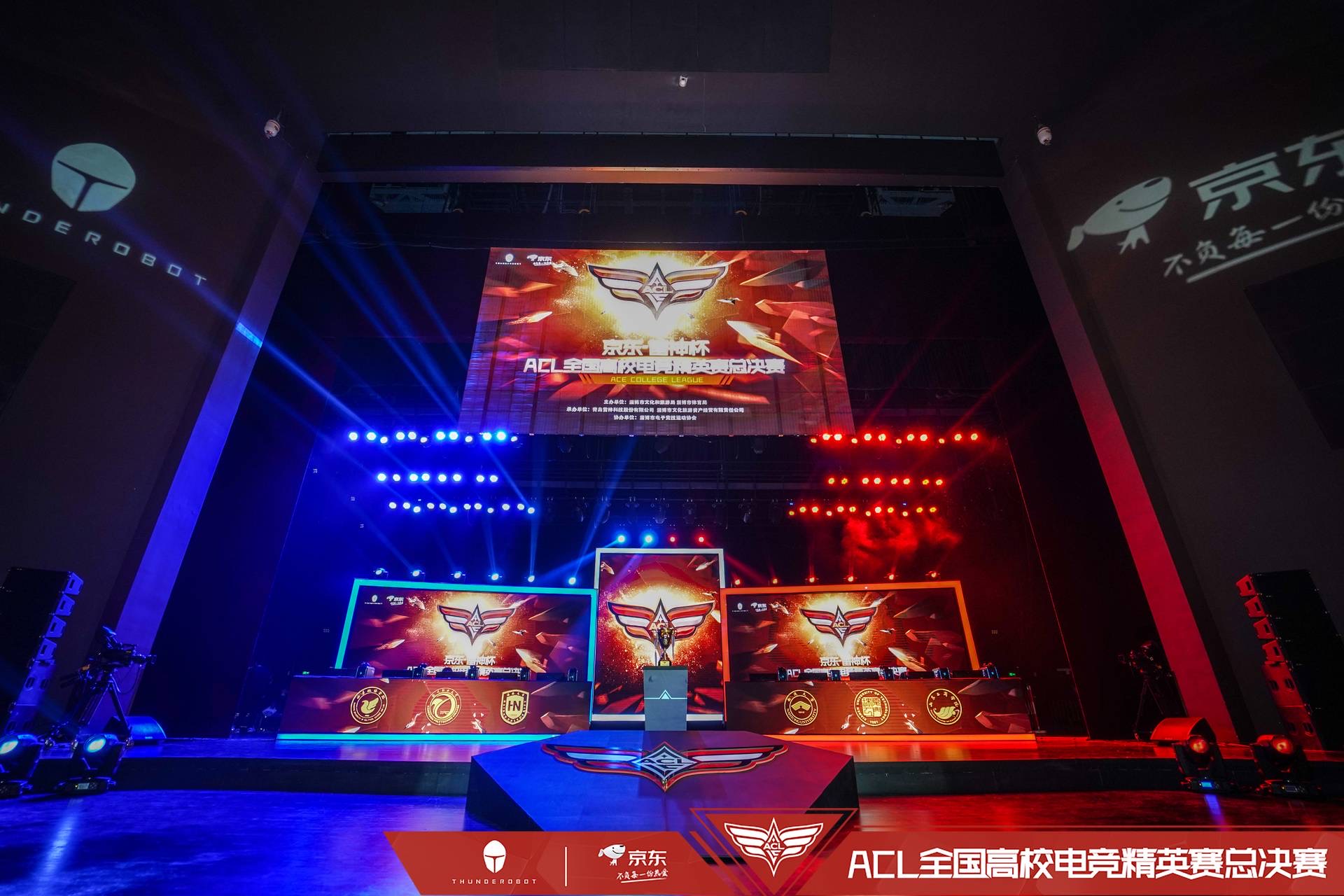
JD.com and ThundeRobot, a leading Asian brand of gaming computers and accessories, sponsored an e-sports league, ACE College League (ACL), which concluded on Jan. 3 with Hainan University crowned champion of the two-day e-sports competition.

“JD has made full use of its advantages in traffic, technology, distribution and supply chain to work with and benefit our partners by organizing e-sports events, and continue to construct a competitive platform for young gaming talent,” said Cui Zhiqiang, gaming operations manager from JD.

As one of the most influential college e-sports events in China, the annual ACL competition has attracted a record more than 4,000 college e-sports teams to participate.

Hainan University won the championship. Nantong University and Yangzhou Institute of Technology came in second and third place respectively.

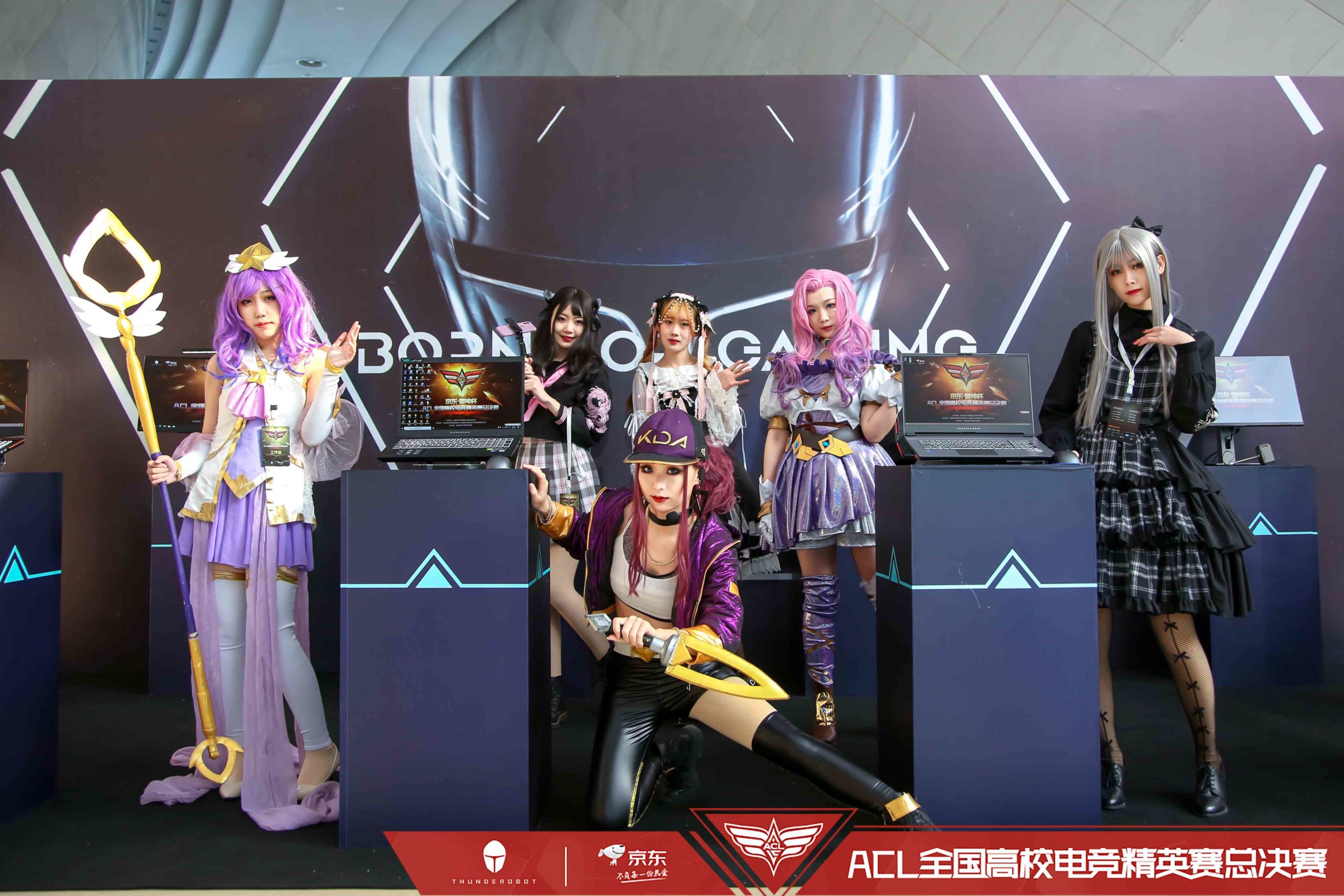
Cosplayers Standing By a Display of ThundeRobot Computers

JD is ambitious in constantly exploring the field of e-sports. In the PC gaming field, JDG has become one of the top teams loved by gamers, and it will be one of China’s representative teams to participate in the League of Legends World Championship 2021. In the mobile gaming field, JD was also the exclusive e-commerce partner for KPL Spring, KPL Fall, and the Honor of Kings Anniversary in 2019.


(zhanghui36@jd.com)

The Year in Review: JD Auction’s Six Bidding Fields in 2020

by Vivian Yang

Under COVID-19 in 2020, the auction industry, like many other industries that have gone digital, has been reaping the benefits of the internet for expansion. This year on JD Auction, JD’s online auction site, more than 15,000 users won their house biddings, about 4,500 people got their cars, and more than 60,000 items were auctioned starting from RMB 1 yuan and sold for a good price. Here are the six main bidding fields that JD Auction offered products in the past year:

1. Houses

Houses have been the most popular auction items on JD.com. In 2020, 15,224 houses were successfully sold through JD’s legal auction platform. A commercial building in Chengdu, Sichuan province, eventually sold at RMB 1.24 million yuan after the bidding started at RMB 1 yuan.

In the meantime, JD’s services including VR house tours, legal consultancy, big data-powered house appraisal and more provided extra support to facilitate users to make wise house buying decisions online.


2. Cars

More than 4,500 vehicles were auctioned on JD this year, including 42 luxury cars entrusted by Shenzhen Public Security Bureau, amassing more than RMB 2.92 million yuan. In addition, 144 buses were auctioned in a dedicated online vehicle auction event with 100% conversion rate and 157% premium rate.

Watching and bidding for used cars on JD is particularly exciting as there are oftentimes cases in which a BMW valued at more than RMB 100,000 yuan  would be sold at only 30,000, and an over RMB 10 million yuan worth Rolls-Royce went for one-tenth of its original price.


3. Luxury products

Men’s watches were the favorite items among the more than 10,000 second-hand luxury products sold on JD Auction in 2020, and took up about one-fifth of the overall luxury item sales. For instance, the auction of a Rolex submariner automatic mechanical stainless watch attracted near 4,500 onlookers online and was finally sold at a high price of tens of thousands yuan.

Another commemorative watch adorned with the iconic ink wash painting of horses by the famous Chinese painter Xu Beihong (1895-1953) was sold at RMB 5,029 yuan, nearly half of its original price of RMB 9,860 yuan. What’s more, the buyer also got a surprising gift of a calligraphy painting by Xu Beihong’s wife Ms. Liao Jingwen (1923-2015) who was also a well-known artist in her own right.


4. Big-ticket auction for air, sea and road

Through close collaboration with courts and customs at different levels in China, JD Auction made big-ticket auctions more transparent and effective online. The auction of the He-Hui Expressway, an unfinished road construction project, became the most expensive deal of the year, closing at over RMB 3.1 billion yuan.

In addition, the LJ Airline at RMB 800 million yuan, a hydropower station at RMB 260 million yuan and a ship building company with right to use a coastal area at RMB 850 million yuan, all found their new owners on JD Auction.


5. Arts and crafts

Sifting for treasures on JD Auctions has become a habit for many JD customers. A total of more than 50,000 treasures were sold on JD last year including tea and wine, purple sand ceramics, antiques, jade jewelry and more.

Cooperated with JD Foundation, JD Auction held a charity event in last November to promote China’s intangible cultural heritage. All the funds received from the auctions of crafts masters’ works were used to help women in impoverished areas and ethnic minority groups to encourage their pursuits of art and cultural creations.


6. Everything is auctionable

Besides the abovementioned conventional auction items, there were also a number of eye-opening auction deals made on JD Auction last year, such as 11.4 tons of rice, 3,160 tons of sugars, 23.74 tons of dried mung beans, 13 tons of raw jade materials, a Sharp GF-777 cassette recorder and more.

Furthermore, to commemorate the fight against the pandemic in 2020, JD Auction organized a special auction campaign in September to solicit and auction memorabilia related to the COVID fight, in which many touching and inspiring stories emerged and became a source of hope and encouragement for many more people.


(vivian.yang@jd.com)

JD Private Label Helps Food Company Grow

by Ling Cao

JD Original, JD’s private label brands department, had helped Zhong’ao Food exceed sales expectations in the past year. By deepening the cooperation, products produced by Zhong’ao became popular among customers on JD, and were showcased in promotions during the coming of the new year.

Zhong’ao is a Hebei-based food company mainly producing meals and snacks for commercial airlines, who faced big challenges for sales and production due to the pandemic. The whole air industry has shrunk during this period. According to the International Air Transport Association (IATA), the total number of global travelers decreased by 62% from 2019 to 2020, while sales decreased by 59%.

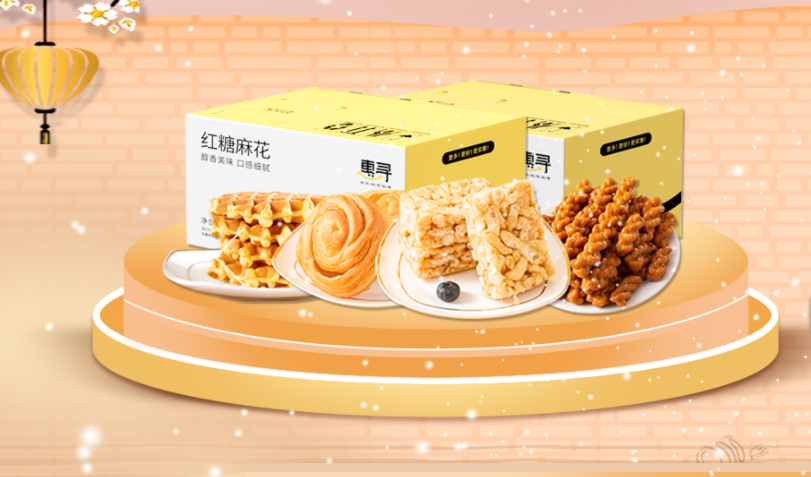
By cooperating with JD, Zhong’ao’s online sales have far exceeded expectations and even created a popular food product in August 2020. The product is the fried snack made of flour and sugar called Xiaomahua, which has been sold on the Huixun store, one of JD’s private label brands. As a result, 80,000 of Xiaomahua were sold in August, and the number reached over 200,000 by November. Now, 60-70% of Huixun’s products have been produced by Zhong’ao. In addition, JD’s brand awareness also attracted other brands to cooperate with Zhong’ao, such as Daoxiangcun, a popular time honored snack brand of Beijing.

Lingzhai Li, general manager at Zhong’ao said, “We were pretty worried about our production and sales during COVID-19. We saw many enterprises were trying to undergo digital transformation, so we wanted to work with JD for a trial. However, we didn’t expect the scale could be so promising.”

JD has provided an integrated service for Zhong’ao, including livestreaming, precise marketing and more.

Xiaosong Wang, senior vice president of JD.com and head of JD Original said, “We take a very professional approach, and give special care and attention to each product and each specific partner. We believe that products are always the key for retail, and technology-driven philosophy can help us improve supply chain efficiency. With these factors, we want to work with partners to achieve a win-win, providing cost-effective and high quality products to customers.”


(ling.cao@jd.com)

2020 Year in Review: JD Marketing360

by Ella Kidron

JD’s smart digital advertising capabilities continued to empower brands throughout 2020. The company’s Marketing360 platform, which uses data to formulate marketing solutions through its unique “4A” model, won more than 50 domestic industry awards last year, recognizing its value in the e-commerce marketing space

Marketing360 Turns 1

In April 2020, Marketing360 celebrated its one year anniversary. Marketing360 is based on a unique “4A” model which systematically identifies customers in four different categories; Aware, Appeal, Act, and Advocate:

Aware – users who have been exposed to the brand via advertisements

Appeal – users who pay attention to the brand – indicated by browsing, searching, and/or adding products to cart – but still don’t make a purchase

Act – users who make a purchase, write product reviews, and/or use after-sales services

Advocate – users who make multiple purchases, recommend products to others, and/or share on social media

By analyzing the characteristics of users within each group, the “4A” model enables a targeted approach in converting users who have not yet made a purchase (“1A” and “2A”) into users who have (“3A” or “4A”). User groups are then further divided into subcategories according to their potential conversion rate, allowing the company to allocate its marketing resources in the most effective way.

From Marketing360 to GOAL

Then, in September, based on the 4A consumer asset management model, Marketing360 upgraded to create a big data-driven brand user growth methodology, JD GOAL, where “G” represents Targeting Group (help brands determine who to target where), “O” represents Osmosis (help determine penetration opportunities), “A” represents Advancing (improve opportunity to create long tem consumer value) and “L” represents loyalty (improve consumers’ loyalty towards a brand).

JD GOAL can help increase long-term user value, and strengthen a brand’s membership pool, in order to promote user loyalty and growth. The methodology can be applied for new product launches, to expand target customers, to reach potential future customers, as well as increase marketing ROI.

In October, at the JD Advertising & Marketing Summit, the company announced measures to help brands create an omnichannel marketing strategy, including traffic and user management, extending the focus from online to offline.

JD’s technological infrastructure can help advertisers overcome common bottlenecks within China’s digital marketing landscape and address the major challenge of turning traffic into sales.


(ella@jd.com)

Providing One More Reliable Choice for Customers with Private Label Brands

by Rachel Liu

We are living in a world full of different kinds of brands, some of which are big and have gained a reputation around the world. You may have a “go-to” brand for cellphones, baby diapers or hair shampoo, but do you stick to a brand when it comes to pillows, towels or liquid soap? Can you even name more than three brands for those products?

When customers are not sure about brands, here comes the opportunity for private label brands. Retailers around the world are launching their own private label brands. Walmart has Marketside, Great Value, George and more; Costco has Kirkland, and Chinese supermarket chain Yonghui has “Super Select”. In 2020, the market size of private label brands increased by 22.7%, which is over 12 times compared with the consumer goods market (1.8%), according to the white paper on private label brands by the Daymon Worldwide Shanghai branch and Kantar Consumer Index of U.K.

The white paper also shows that the private label market in China has a lot of potential. Nearly 90% of customers have the intention to try private label products, and over 50% of them haven’t tried one before. JD’s private label brand is growing well too. One of the brands, Jing Zao (literally means made by JD), saw its number of customers and orders increase four times year-on-year.

Why does JD want to develop private brands? On one hand, it will benefit customers, providing them with richer product choices with competitive prices. On the other hand, it is transforming the traditional retail industry, and helping manufacturers achieve digital transformation.


“When you don’t know what brand to buy, choose Jing Zao”

This is from Tom Tang, head of Jing Zao, the leading private brand of JD Original, JD’s private label brand business. Other private brands of JD include Hommy, focusing on home furnishing brands; LATIT, focusing on sports-related products; and Huixun (literally means seeking discounts), which targets customers from lower-tier markets.

For Tom, what Jing Zao is doing, or more generally, what JD Original is doing, is making high-end products more affordable, and improving the quality of daily use products.
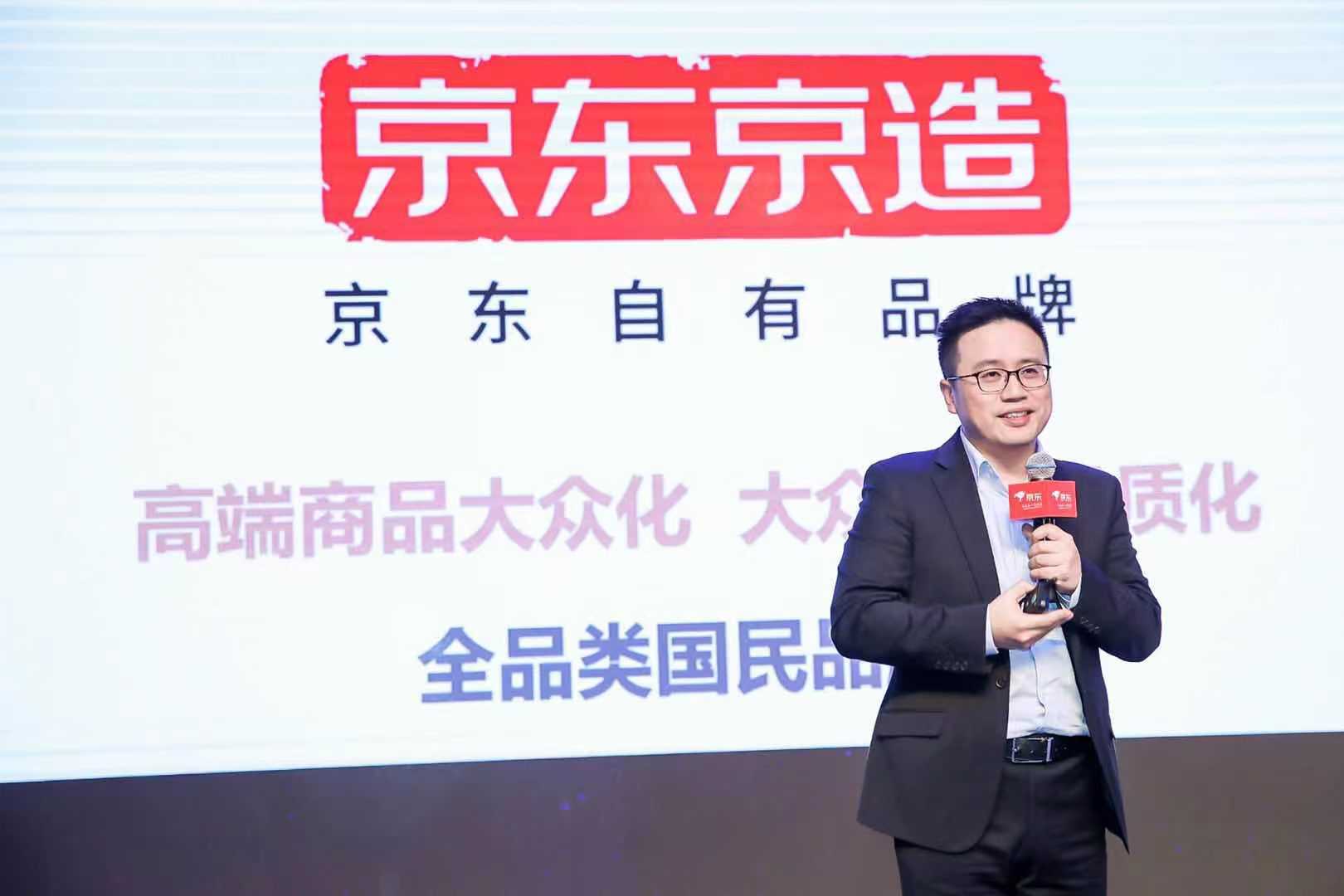
JD Original is doing, is making high end products more affordable, and improving the quality of daily use products.

This comes from Chinese customers’ real demands. The rising middle-class customers are constantly looking for a comfortable and high-quality lifestyle. What’s more, the desire for a “better lifestyle” is spreading to a larger customer base. Chinese society is experiencing a consumption upgrade.

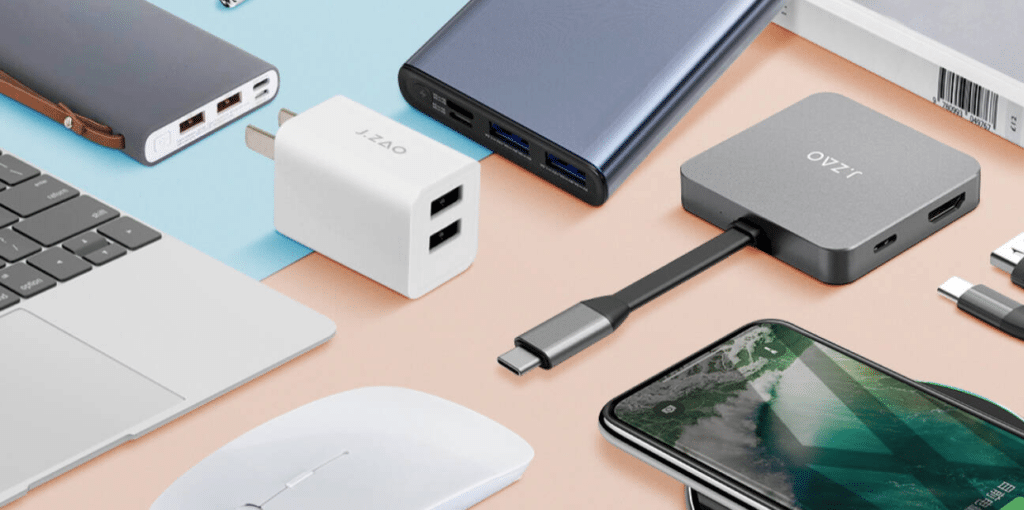
Before, maybe only bigger brands were associated with higher quality, but working directly with factories to develop products enables JD to have strong control over the product quality. Also, without the layers of the dealer network, high-quality products can be sold for cheaper prices. Customers usually do not have strong brand loyalty to products such as slippers, chargers, tables, towels, napkins, etc… As long as the products are of high quality, customers are open to trying various brands.

The model allows more customers to enjoy the fruits of the consumption upgrade. For example, products like smart locks, fascia guns and rowing machines may appeal to some customers who want to enjoy a better lifestyle, but are generally too expensive. However, with the help of JD’s strong supply chain, the products that Jing Zao develops can have prices which are half or even lower when compared with branded products. This year, Jing Zao launched its first laptop product JD Book. The laptop is only around RMB 2,000 yuan, and has 2 years of maintenance service provided by JD. Its competitive price and decent performance make it very popular among students and young customers.

Jing Zao launched its first laptop product JD Book.

The motive of JD to develop private label products is to better meet customers’ different demands. JD’s first “product” for one of its private label brands is not even a physical product, but a service. It was launched in March 2012, and is a service to help customers solve computer problems remotely. At that time, when customers bought computers, it usually was not installed with software. Many customers didn’t know how to set them up, and needed to call for help. The first product of “Do Style” (the name for JD’s private brand at that time) is a service sold for around RMB 100 yuan to help customers install software through phone calls.

After the first product, “Do Style” moved to physical products and worked directly with factories to make improvements. Jointly developed products include a wireless vacuum cleaner, which saw a significant search increase on JD at that time. That was in 2014, when most Chinese families were using cheaper wired vacuum cleaners. Wireless cleaners are more expensive, but also more convenient and flexible to use. JD worked with factories to develop a wireless vacuum cleaner with bigger batteries, which can be disassembled into smaller parts to clean desks and closets. Because of working directly with factories, the product was sold for half the price of the usual wireless vacuum cleaners.

In 2017, Jing Zao was established, which is JD’s private label brand that covers full categories, including electronic products, clothing, food, kitchen utensils and health protection products. Now it has over 10 million users, and already created many best-selling products. During this Singles Day, sales of wood children’s desk sets from Jing Zao reached over RMB 20 million yuan. Huixun has also served 25 million customers since its launching. A tissue package from Huixun saw over 1 million orders made during the last Singles Day.

Having private label brands also benefits JD in being able to provide a better shopping experience.  For categories like home furnishing, clothing and kitchenware , the brands and products on the JD platform are not as rich and competitive as categories like electronic or consumer goods. With private label brands as supplements for those categories, customers will have richer choices when shopping on JD.


Making the Retail Supply Chain a Value Chain

Developing private brands can not only benefit customers, but also benefit the digitalization of manufacturers and improve the efficiency of supply chain. “By creating private label brands, we hope to support the manufacturers and add more value on the retail supply chain,” said Xiaosong Wang, vice president of JD and head of JD Original.
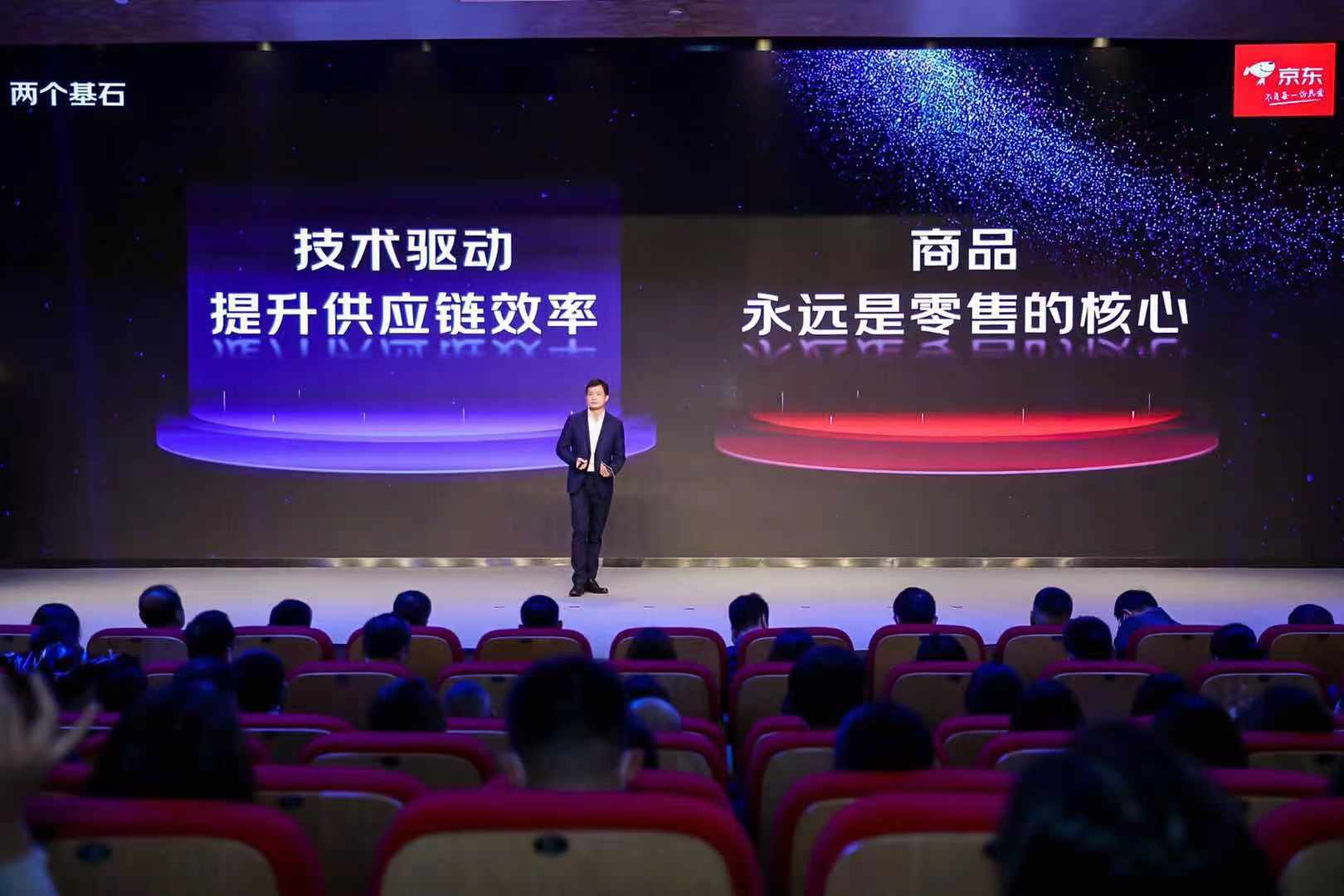
Making the Retail Supply Chain a Value Chain

This matches with JD’s effort of building a digital intelligent supply chain, which uses digitalization and smart technology to optimize the cost, efficiency and experience of each industry through building a smarter supply chain. By reconstructing the process on each supply chain and leveraging social resources, the agility and efficiency of the supply chain can be improved.

“By working directly with manufacturers, we can shorten the supply chain, which means the improvement of efficiency, and better use of social resources,” said Mr. Tang. “It has shortened the information chain. Traditionally, customers’ demands and feedback needed to go through dealers, brands and then finally to manufacturers. Now we have connected manufacturers with customers directly and cut the middle process. The logistics process needed to move the products is also cut short and has become more efficient.”

“The true value behind developing private label brands is that we can use e-commerce to transform the traditional retail industry,” said Mr. Tang.

The manufacturers need the transformation too. In the past, the manufacturers only received orders from clients, and after they finished production, their job was done. They didn’t know whether the customers liked the products, or how they might want to improve them. All the information they had come from their clients, the brands, which was usually filtered. Now JD can directly share related information on the market to help manufacturers eliminate the businesses and products that fall behind customer demands.

“We are happy to work with JD’s private brands to produce hot-selling products,” said Wilson Zhu, COO of Li & Fung, which JD invested in this year to cooperate deeply on private label brands. “Though we have over 100 years’ of experience in the industry, still, not every manufacturer has the ability to achieve digital transformation. JD has provided a shortcut for us.”

A good example is the transformation of Feibang group in Zhejiang province. Feibang used to be a manufacturer for electric tools, but it had laid eyes on developing fascia guns, which has similar construction to electric tools, and has become popular among Chinese consumers these years. This April, LATIT started to work with Feibang to develop fascia guns based on the preference of JD customers. In the first four months of launching, sales of the fascia gun surpassed RMB 10 million yuan.

The fast transformation also benefited manufacturers during COVID-19. Lanpiao Group, a leading Chinese company in producing tissues, saw its export business heavily impacted during the pandemic and had to find new opportunities in the domestic market. Seeing that the lower-tier markets have a strong demand for cheaper tissues made of bamboo pulp, Lianpiao decided to work with JD’s brand Huixun to develop a C2M tissue. Leveraging JD’s supply chain and sales channel, the two sides worked directly without a dealer and quickly launched the products on JD. In just six months, sales of the product surpassed RMB 100 million yuan, which has far surpassed sales of Lanpiao’s entire export business in 2019.
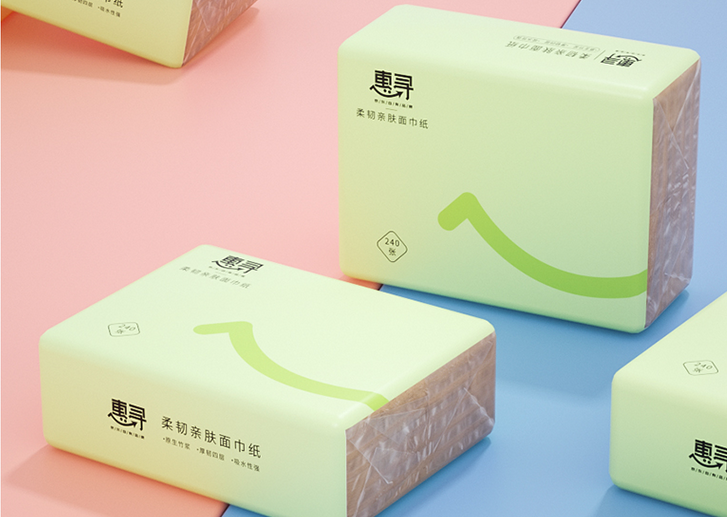
Leveraging JD’s supply chain and sales channel, the two sides worked directly without a dealer and quickly launched the products on JD.

JD has identified ten processes in the retail chain. The first five include creation, designing, R&D, manufacturing and set price. The last five are marketing, selling, inventory, logistics and after sale service. JD Original is one of the key chances for JD to go from the downstream chains in retail to the its upstream chains. With JD’s capabilities, it can help manufacturers have a deeper understanding on customers, expand the market and develop more competitive products.

In December 2020, JD Original announced that it will provide integrated solutions for high-quality factories by opening its abilities on product selection, brand development, customer operations and sale channels, aiming to create a customer-centric model to provide customers what they want and help manufacturers achieve digital transformation, creating a more efficient retail ecosystem.


(liuchang61@jd.com)

JD Auto’s Super Day Data Revealed Consumer’s Shopping Patterns

by Vivian Yang

JD Auto’s end-of-year Super Day promotion on JD.com demonstrated surging consumption among automotive fans and generated some interesting data about China’s auto market.

Shopping data on the day, Dec. 28, revealed that consumers aged between 25 to 45 are the core users of automotive products on the market, with three age groups ranged between 26 to 35, 36 to 45 and 18 to 25 accounting for 61%, 25% and 8% respectively. Consumers under 25 years old, also known as Gen Z, are emerging as a consumption force, showing their favor toward motorcycles, as well as small decorations like car stickers and fragrance. The promotion also made elderly users itch to have a go – one 70-year-old driver bought a whole set of car accessories on JD during the day.

Gender-based shopping preferences are obvious in auto products: male users who make up 68% of overall JD Auto customers are the main force buyers of practical consumables such as engine oil, wipers, tires and more; while female users purchased more car decoration items such as seat cushions, and head and waist pillows that help to make the driving experience more comfortable and fashionable.

In terms of spending power by regions, Guangdong province, the first Chinese province whose GDP surpassed RMB 1 trillion yuan in 2019, topped the auto product’s consumption on the Super Day, followed by Beijing, Jiangsu, Sichuan and Shandong. The top five regions of per-capita consumption are Beijing, Zhejiang, Shanghai, Fujian and Guangdong, with Shanghainese buying the most car mats and mops, further consolidating their flair for cleanliness.

According to JD Auto’s sales data, the top 5 automotive categories are tires, engine oils, driving recorders, foot mats and motorcycle helmets. The top 5 brands are Mobil, Pirelli, Michelin, JD Auto Service (JD’s own brand) and 360.

As of September 2020, the number of motor vehicles in China has reached 365 million according to China’s Traffic Administration of the Ministry of Public Security. Deloitte’s recent white paper in November predicted that China’s car ownership is expected to reach 1.7 trillion by 2025, overtaking the United States as the world’s largest market.

“Car maintenance demand is expected to surge in the next five years,” said Yan Qing, general manager of JD Auto, “JD will continue to invest in the automotive sector by leveraging advantageous resources in technologies and supply chain capability to meet car owners’ diversified demands.”


(vivian.yang@jd.com)

JD’s Smart Enterprise Purchase Platform Brings Benefits to Employees

by Rachel Liu

As Chinese New Year is around the corner, over 5,000 employees from a railway company in Sichuan province recently selected gifts and new year products provided as employee benefits through an online platform developed by JD Business.

Employees are now able to log in to this platform through WeChat or QR code to select the products they want, and have them delivered to their addresses. Prior of that, companies usually provided the same benefit products to all employees, such as rice, cooking oil or daily use products. However, more and more employees had diversified demands on company benefits. The smart platform that JD Business developed enables employees to select any product they want from JD’s product pool, and has also saved the company from complicated processes like choosing suppliers, signing contracts, etc. The platform also provides data management tools to improve the future purchase plan, such as using big data to analyze employees’ satisfaction level on the benefits.

The platform has been used by enterprises and organizations including China Telecom, Bank of Communications and Tongji University.

“Our priority is to help enterprises lower the cost of purchase and ensure their employees’ satisfaction,” said Chunzheng Song, president of JD Business. “In the future, we would like to help more companies build smart employee benefit platforms, and leverage our product resources to provide the most competitive prices for the companies.”


(liuchang61@jd.com)