Topic

JD Announces “One-Stop Shopping for Home Products and Appliances”

by Yuchuan Wang

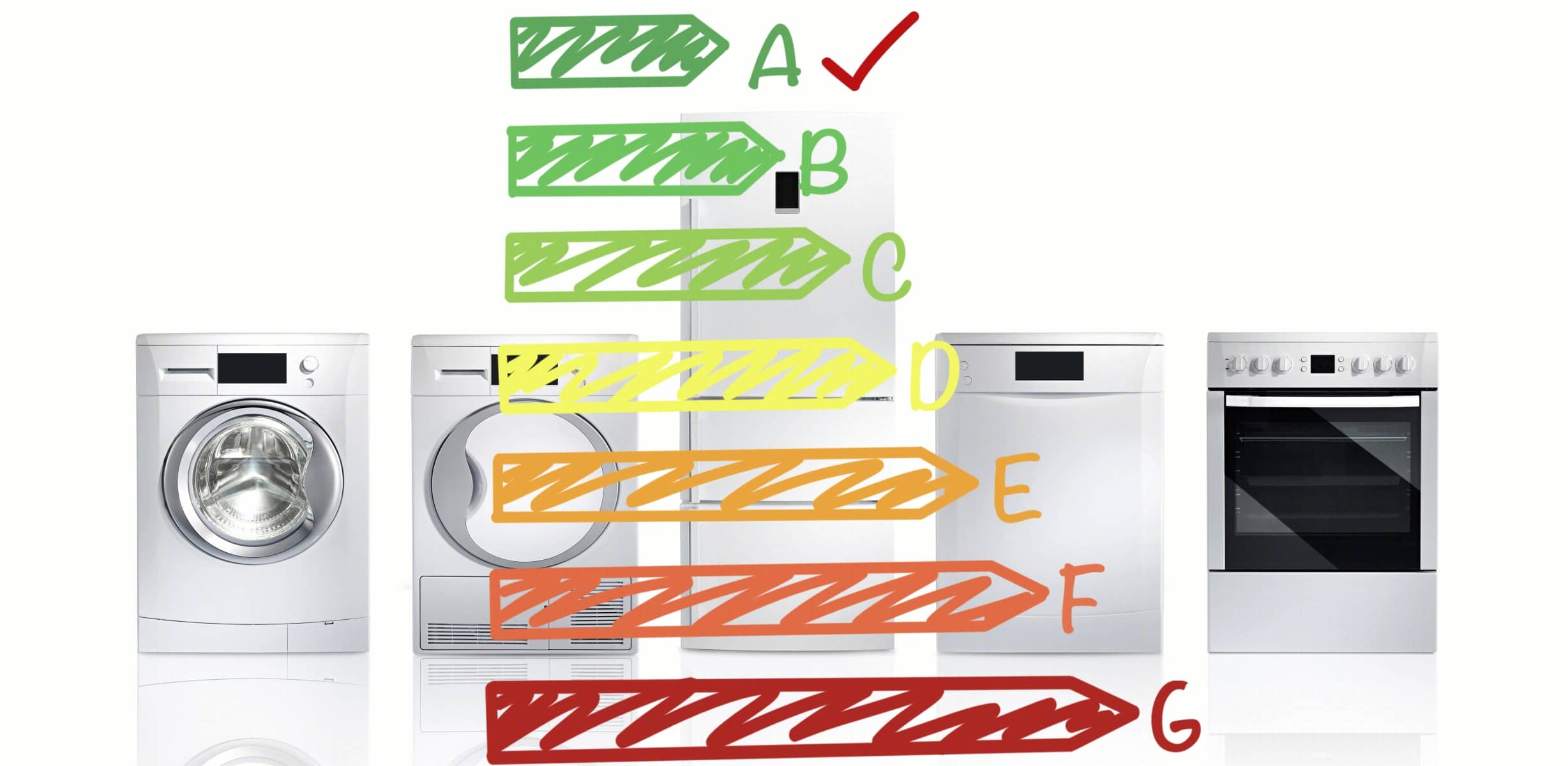
On March 21, JD Retail announced “one-stop shopping for home products and appliances” and relevant plans for home appliances. It also announced that JD Home Appliance will stock RMB 100 billion worth of goods for the 20th 618 Grand Promotion this year, with bulky order purchase target of 5 million units.

From 2012 to 2022, with the transition of sales channels, from offline to online to omni-channel, China’s home appliance industry developed new business models while maintaining healthy and rapid development. The industry continued to grow in 2022 and generated revenue of RMB 1.75 trillion, with a year-on-year growth rate of 19.9%. Additionally, Chinese home appliance brands also achieved great success in international markets, while creating new jobs and making innovations in brand and technology.

Despite this growth, the industry continues to face challenges, as well, including rising real estate costs, global supply chain issues, and product and innovation homogenization.

To continue to build momentum and address these challenges, JD Home Appliance is unveiling a new approach of “persistence and change”. It includes being persistent in putting customers first and upgrading services, retail-driven, healthy and sustainable development, upgrading product offerings, making structural breakthroughs, developing omni-channel and establishing an industry ecosystem, enhancing cost and efficiency, and achieving win-win outcomes with partners.

The approach also includes changes in promoting a product stratification initiative for both structural and low-priced products, accelerating sales and growth of new and trending products, improving pricing capabilities to ensure fair prices, upgrading the trade-in service to fully stimulate user demand, accelerating omni-channel layout, and expanding the marketplace business (POP platform) to create an open platform for businesses to achieve sustained profits and steady growth.

JD Home Appliance is working with partners to enhance customer experience and boost sales of new products through innovative actions such as the launch of JD Mall and trade-in services. It is also expanding to new areas, such as the lower-tier market, which offers significant potential for growth of home appliance brands. According to Yi Xiao, president of washing machine business unit of Midea, China has approximately 490 million families and daily consumption of home appliance mainly comes from 200 million of them. That means there is an untapped market of nearly 300 million to be served.


(yuchuan.wang@jd.com)

JD.com Unveils Canada National Pavilion, an Online Showcase of Premium Canadian Imports to Chinese Consumers

  • The Pavilion of Canada on JD Worldwide is supported by the Canadian Embassy to China, featuring the country’s distinctive culture and premium imported products

  • To date, nearly 50 countries have opened national pavilion online stores on JD.com

  • Cross-border e-commerce with JD’s supply chain solutions presents vast opportunities for brands across the globe to explore the Chinese market


On March 25, JD Worldwide, the cross-border e-commerce arm of JD.com, introduced the “Pavilion of Canada“, an online flagship store on its platform supported by the Embassy of Canada in Beijing. The Pavilion presents a selection of premium Canadian imports to Chinese consumers, all with the convenience of JD’s unparalleled delivery and customer services.

This Pavilion features a lineup of renowned brands, such as INNISKILLIN, Natural Factors, Nova Sea Atlantic, PURNATUR, SunRype, and Zoie&Zane, offering a curated collection of signature products including ice wine, maple syrup, honey, snacks, nutrition, and beauty and wellness products.

“With this new Pavilion for cross-border e-commerce, I hope that we can bring more and more Canadian brands to China, and share more of what Canada has to offer,” said Jean-Christian Brillant, Minister (Commercial), Embassy of Canada to China.

“We are delighted to join hands with exceptional Canadian brands and introduce their top products to Chinese consumers as their consumption demand continues to evolve. The Pavilion will serve as an accelerator for emerging brands, providing them with a platform to establish visibility and earn the trust of local consumers,” said Luke Liu, General Manager of business development department, JD Worldwide.

JD.com pioneered the “National Pavilion” concept in 2014, envisioning a world-expo-inspired online shopping platform that grants Chinese consumers access to authentic and premium products from around the globe, sorted by country and region. To date, the program has successfully attracted 46 countries to open flagship stores on JD.com, backed by endorsements from their respective embassies or trade associations. This unique model offers customers a one-of-a-kind shopping experience, enabling them to discover each country’s local specialties and distinctive cultures through a diverse range of products, from electronics and fashion to beauty, food, pet goods, and more.

The Canada Pavilion will operate through cross-border e-commerce, allowing merchants to enter the Chinese market without a local presence and enjoy tax benefits and streamlined customs procedures.

JD’s integrated cross-border supply chain enables brands to minimize product hand-changes in the sales process, and utilize JD’s nationwide logistics infrastructure, including cold chain delivery, to ensure that imported products reach consumers’ doorsteps fresh and at competitive prices. For example, live lobsters harvested from Halifax, Nova Scotia can be delivered to Chinese shoppers within just 17 hours via JD’s cross-border e-commerce platform.

According to China’s 2022 Customs’ data, the country’s import and export cross-border e-commerce activity surged nearly tenfold over the past five years, with imports increasing by 4.9 percent YoY to RMB 560 million yuan. This growth highlighted cross-border e-commerce’s pivotal role in trade development, and in meeting the increasingly diverse demands of Chinese consumers.

JD’s sales data reveals that consumers living in first and second-tier cities remain the primary purchasers of imported products, while a growing appetite in lower-tier markets is emerging, fueled by the convenience offered by China’s sophisticated e-commerce logistics and increasing supply chain efficiency. These factors create a wealth of growth opportunities for brands across the globe to explore and capitalize on.


JD.com Empowers Farmer-Entrepreneur to Achieve RMB 100 Million Yuan in Annual Sales of Tan Mutton

by Vivian Yang

The recent growth of the sheep industry in Ningxia has paved the way for an increasing number of Gen-Zers to return to their hometowns and become actively involved in the integration of traditional sheep farming practices with emerging sales channels. Leveraging e-commerce and logistics infrastructure and technological resources, the production of Tan mutton has become more standardized with strict quality control measures to be offered to the market, including on JD’s online stores.

The Ningxia Hui Autonomous Region in China is home to a highly regarded breed of sheep, commonly referred to the Benchland Sheep, also known as the Tan Sheep. Known as “Blue Blood among all sheep,” these remarkable creatures are raised on a diet of Yellow River water and saline-alkaline grassland, resulting in meat that is exceptionally tender and delicious, with a notably low fat content and a subtle aroma.

To date, JD.com has lent its support to more than 30 Tan mutton merchants on its online supermarket platform, offering comprehensive services ranging from marketing and logistics to supply chain technologies and beyond. As a result of this support, total annual sales of Tan mutton surpassed RMB 200 million yuan in 2022, with an impressive two-year compound growth rate of nearly 30 percent.

An increasing number of young villagers have discovered that involvement in the Tan sheep industry offers greater financial rewards than city-based employment, providing tangible proof of JD’s rural revitalization initiative – – “March to Rich Plan.”

In addition to its support of the Tan sheep industry, JD.com has leveraged its advanced digitally intelligent supply chain to bolster over 2,000 industrial belts and hundreds of agricultural production zones across the country, enabling modernization of production methods and brand-building efforts. The ultimate aim of this endeavor is to cultivate a virtuous cycle of high-quality products, enhanced consumer demand, and a sustainable increase in farmers’ incomes.

The succulent mutton hailing from the region nestled in the northwest of China and surrounded by deserts on three sides was handpicked as a staple ingredient for China’s state banquets hosted during the G20, BRICS, and Shanghai Cooperation Organization summits. However, the delicacies produced in this region have historically been challenging to access for people residing in other parts of the country.

A decade ago, local farmers found themselves restricted to selling their sheep solely within their immediate vicinity resulting in inconsistent and often fluctuating income due to the fluctuating pricing of lamb and varying purchase rates from year to year.

Over the course of the past five years, e-commerce has emerged as a powerful tool for connecting farmers with enterprises for collaborative efforts on sheep breeding, meat processing, transportation, and more. As a result of this surge in connectivity, Tan sheep has experienced a surge in popularity among consumers throughout China. JD’s support to Xigouyan village is a case in this point.

“I have a stock of 10,000 sheep this year, and the sales contract was signed a long time ago,” said a farmer surnamed Ma from this village.

“Nowadays, I no longer worry about where or how to sell my sheep. Instead, I can focus solely on raising high-quality sheep and earning a comfortable profit.  In good years, I can earn 1 million yuan.” he added.

Ren Jie, the founder of the mutton brand “Tan Sheep Fresh”, is one of the buyers of Ma and his fellow villagers’ sheep. Ren is among the pioneering merchants who set up flagship stores on JD.com in the early days to directly sell Tan mutton to consumers.

After graduating from college, Ren made the decision to return to his hometown in Ningxia, where he established an e-commerce business in 2014 with the intention of introducing the region’s unique agricultural specialties to consumers across the nation. To his amazement, the Tan mutton offering in his online store enjoyed unprecedented success, netting him over 800,000 yuan in just six months stint.

Ren established his brand in 2018 and his business took off on JD.com, exceeding annual sales of 100 million yuan and boasting an impressive annual growth rate of 30 percent over the past three years. Previously, the peak sales season for Tan mutton was confined to the winter season. However, with the assistance of JD Logistics’  cold chain delivery system, Ren’s business has experienced a surge in year-round sales, making his mutton accessible to consumers throughout the year.

Ren’s support for the local community earned him the affectionate nickname of “Mr. Tan Sheep” among the locals, who are grateful for his support.

Read more about JD’s “March to Rich” initiative that has helped hairy crabs, premier rice and more agricultural products to be marketable.


(vivian.yang@jd.com)

JD.com Recognized with China’s Most Prestigious AI Awards

by Yuchuan Wang

On March 14, JD.com received the Wu Wenjun Artificial Intelligence Science and Technology Progress Award, the most prestigious honor in China for work in artificial intelligence. In addition, Dr. Xiaodong He, vice president of JD.com, an Institute of Electrical and Electronics Engineers (IEEE) Fellow and a specialist in conversational AI technology, was given the Outstanding Contribution Award. Wu Wenjun (1919-2017) was a prestigious mathematician who obtained the highest national science and technology award in 2000.

As one of the founders of early multimodal AI, Dr. He was selected as an IEEE fellow in 2019 for his contributions to multimodal signal processing in human language and vision technologies. Under his leadership, JD.com launched the Yanxi AI application platform and a series of industrial solutions in 2018. Yanxi provides consumers and merchants 24/7 services, including shopping guidance and across shopping nodes– pre-sale, sale, and after-sales.

Unlike a common chatting platform, task-based dialogue systems aim to solve complex tasks happening in real life and these systems are crucial to user experience. For example, in e-commerce, customers have an expectation that the chatbot can perfectly solve problems such as aftersales consulting, price guarantee, transaction, payment, delivery service, product return and more. JD’s task-based system seeks to provide that service for the consumer.

Built upon the company’s experience in intelligent dialogue accumulated over the past 10 years, coupled with years of practice in various businesses across retail, logistics, finance, health, and more, Dr. He’s team has constructed a knowledge graph that is made of a four-layer knowledge system, 40+ independent systems, 3,000+ intentions and 30 million high-quality QAs that cover over 10 million retail commodities on JD.com.

Currently, Yanxi serves over 580 million customers, hundreds of thousands of merchants, 100+ municipal institutions, 880 financial institutions, 1821 large enterprises and nearly 2 million SMEs.


(yuchuan.wang@jd.com)

JD.com’s Spring Dawn Initiative Boosts Revenue for Individual Shop Owners

by Yuchuan Wang

In January, JD.com unveiled the “Spring Dawn” initiative, which makes it easier for different types of merchants, including start-ups, self-employed businesses, and enterprises to launch stores on the platform. In just over two months, college students, farmers, veterans, designers, craftsmen and others have taken advantage of this feature to launch their business on JD.

Liang, a college student from Xiamen, Fujian province, is a young entrepreneur who creates self-designed teaching aids such as cell models for biology courses. Seeking to the growth of his business, Liang joined the initiative and opened a store on JD.com. Sales in early March have already increased by over 200 percent compared to the previous month.

The initiative features 12 supportive measures that are aimed at lowering costs and increasing sales for merchants. JD streamlines the store-launch process for individual owners, and it now takes as little as 10 minutes to complete. In addition, JD offers no-cost trial operations and gift packages for newly opened stores, among resources.

Simon Han, vice president of JD.com and head of JD Retail Marketplace Ecology said that JD.com is delivering on its commitment to create a fair, efficient, and easy-to-use ecosystem for merchants. JD will continue to expand marketplace business models, reduce merchants’ operational costs, increase their efficiency, provide end-to-end services to micro, small and medium-sized merchants, and help them achieve long-term stable growth.

In 2022, there was a 34 percent increase year-over-year of new merchants launching on JD.com. As of Q4 2022, the number of third-party merchants on JD.com has grown by more than 20 percent year-over-year for eight consecutive quarters.


(yuchuan.wang@jd.com)

JD.com Brings the Best of Colombian Coffee to Chinese Consumers

by Vivian Yang

On March 10, JD.com joined representatives from the Colombian Embassy to China and Colombia Coffee Grower Federation (FNC) to host a coffee-tasting salon at JD’s headquarters in Beijing to promote some of the world’s finest coffee to Chinese consumers.

“One out of every ten green coffee beans imported by China comes from Colombia,” said Natalia Tobon, the Commercial Counselor of the Embassy and Director of ProColombia China in her speech We are confident that with JD’s support, this number will continue to grow.” Tobon’s remarks referred to Colombia’s coffee exports to China in 2022, which were valued at $78.4 million, representing a 66 percent increase from the previous year.

Natalia Tobon (middle), Commercial Counselor of the Embassy and Director of ProColombia China

Tao Ren, Vice President of JD.com and Head of JD FMCG marketplace, highlighted the rapid growth of Chinese consumers’ appetite for the best coffee from different countries. He also emphasized the significant market opportunity for Colombian coffee – the world’s only arabica proudly branded after a country’s name.

Tao Ren, Vice President of JD.com and Head of JD FMCG marketplace

JD.com is currently utilizing a variety of channels to introduce more Colombian coffee products to the Chinese market. These include its market platform, first-party sales, as well as through its pavilion of Latin America and the Caribbean Countries. The national pavilion program is an innovative online sales window on JD.com that is endorsed by embassies to provide diversified authentic imported products from their respective origin countries.

Jiahang Wu, FNC’s Chief Representative for Greater China, highlighted the unique features of Colombia as the world’s third-largest coffee-producing country, ranging from its weather and land advantages, hand-picking harvest and processing technics, colorful aromas and tastes, to its growers’ federation and worldwide branding efforts.

Jiahang Wu, Chief Representative for Greater China, Colombian Coffee Growers Federation 

Participants at the event had the opportunity to try four varieties of Colombian coffee, including Pink Bourbon, Geisha, Castillo, and Sidra, which opened up new senses and flavors for tasters, allowing them to explore coffee in ways they never knew existed.

Mian Li, Founder of S.O.E Coffee who provided brewing service for the event, shared his observation on China’s coffee consumption trend. Li noted that the specialty coffee market is experiencing considerable growth, and emerging types of coffee, such as freeze-dried coffee, drip coffee and many other new products are well received by the young generation of consumers. Li’s company’s sales data showed that the highest consumption demand for specialty coffee comes from the second- and sixth-tier cities as it is generally believed that young consumers living in lower-tier cities have more dispensable income and a stronger passion for trendy products, which further demonstrated the widespread and high demand for great coffee among Chinese consumers.


(vivian.yang@jd.com)


DADA Now’s Automobile Delivery Service Fulfills 3.3 million orders in 60 cities Across China

by Mary Ma

The on-demand delivery service platform from Dada Group (Nasdaq: DADA) (“Dada”), Dada Now, has recently launched an automobile delivery service, to better support small and medium enterprises (SMEs).

To date, the automobile delivery service has been launched in more than 60 cities nationwide, including Beijing, Harbin, Fuzhou, Changsha, Hefei and Shanghai, among others. The accumulated number of fulfilled orders has reached over 3.3 million, and the total delivery mileage has exceeded 38 million kilometers.

Previously in the Chinese market, delivery services have predominantly used two-wheeled electric vehicles to fulfill orders, but Dada Now has now introduced automobiles to better fulfill the demand of SMEs and personal users in various scenarios. Automobiles have clear advantages over two-wheeled electric vehicles in this respect, in being able to deliver heavy load, delicate products for long distances to an extent that two-wheeled electric vehicles cannot.

Dada rider waited to pick up a flower bouquet  for on-demand delivery

The service has been adopted by hundreds of thousands of SMEs and personal users. Also, as for intra-city, long-distance orders, the average delivery time of automobiles is 20 minutes faster than electric vehicles.

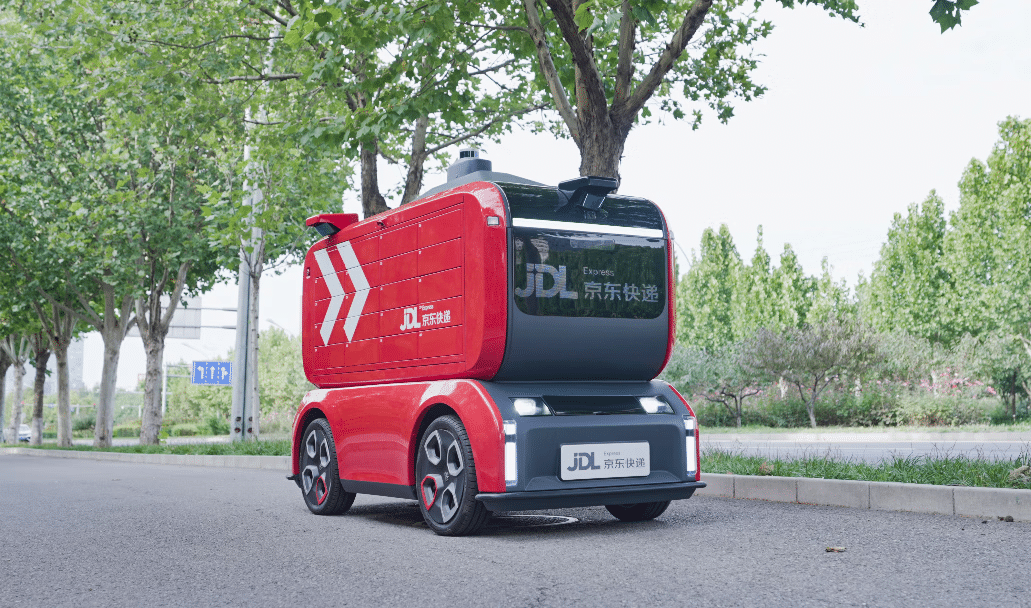
Since launching in July 2021, Dada Now has established a comprehensive delivery capacity, including electric vehicles, automobiles and autonomous delivery, to provide high-quality, efficient delivery services at an affordable cost.

About Dada Group

Dada Group is a leading platform of local on-demand retail and delivery in China. It operates JDDJ, one of China’s largest local on-demand retail platforms for retailers and brand owners, and Dada Now, a leading local on-demand delivery platform open to merchants and individual senders across various industries and product categories. The Company’s two platforms are inter-connected and mutually beneficial. The Dada Now platform enables improved delivery experience for participants on the JDDJ platform through its readily accessible fulfillment solutions and strong on-demand delivery infrastructure. Meanwhile, the vast volume of on-demand delivery orders from the JDDJ platform increases order volume and density for the Dada Now platform. In June 2020, Dada Group began trading on the Nasdaq Global Market, under the ticker symbol “DADA.”


(mayiqian3@jd.com)

Highlights of JD.com Q4 and Full Year 2022 Earnings Call: Cautious Opitmism

by Yuchuan Wang

JD.com released the fourth quarter and full year earnings results for 2022 on March 9. For the first time, the company’s annual revenues surpassed RMB 1 trillion yuan (US$151.7 billion), while achieving profitable growth and strong cash flow. (Click to access to the earnings report)

In the fourth quarter of 2022, JD.com recorded double-digit DAU (daily active user) growth year-on-year and has seen an upward trend for both user structure and user quality, driving up user shopping frequency and ARPU (average revenue per user). The number of the company’s paid membership JD PLUS also reached 34 million in the quarter. According to analysis, JD PLUS members spend 8 times the average annual amount of non-members.

The three-year pandemic has seen consumers’ lifestyles and preferences change notably. Amidst ever-evolving opportunities and challenges, JD.com stays focused on lowering costs, increasing efficiency and constantly improving user experience to satisfy the diversified consumption demands. Mr. Lei Xu, CEO of JD.com reiterates this company’s business philosophy in the earnings call, and based on which the company is committed to providing better products, price and services.

“In terms of prices, our goal is to be known by consumers for providing the most consistent “everyday low prices,” said Xu. Price is keen to user experience, Xu explains that in the past, all e-commerce players focused on grand promotion, which created a phenomenon of “no promotions, no buying; no promotions, no sales.” JD hopes to transform marketing strategy from focusing on big sales to creating an environment of everyday low price, contributing to the healthy development of the whole industry, benefiting consumers, supply chain, brands and merchants.

The recent “RMB 10 billion yuan discount program” is one of JD’s efforts for “everyday low price” policy, in addition to “compensation for higher prices”, “free shipping above 9.9 yuan”, “price guarantee” and more. The genuine and tangible benefits to consumers will be collectively invested together with brands and merchants on the platform. “Not all the discounts we directly hit our gross margin or marketing expenses,” said Sandy Xu, CFO of JD.com. “Our target is to smooth out the operation pressure from the two major promotion seasons (618 and Singles’ Day) to improve operating efficiency for the entire supply chain and also to attract new users or recap our existing users.”

JD is also improving its marketplace ecosystem to power up from the supply side, including rolling out the “Spring Dawn” initiative that provides greater support to different types of merchants on the platform, including individual owners, self-employed businesses and enterprises. The initiative includes 12 supportive measures that aim to lower costs and increase sales for merchants, such as further streamlining store-launch process to 10 minutes for individual owners, zero-cost trial operations, and RMB 2,100 yuan worth of gift packages for newly opened stores, among others.

Mr. Xu also shares his thoughts on China’s reopening in wake of Covid. “We see the recovery of consumption is underway,” said Xu. “We continue to keep our cautious optimism on the recovery. And we believe that in the second half of the year, the recovery will be faster.”


(yuchuan.wang@jd.com)