Topic

JD Connects with Coca-Cola Online to Celebrate the 618 Grand Promotion

by Rachel Liu

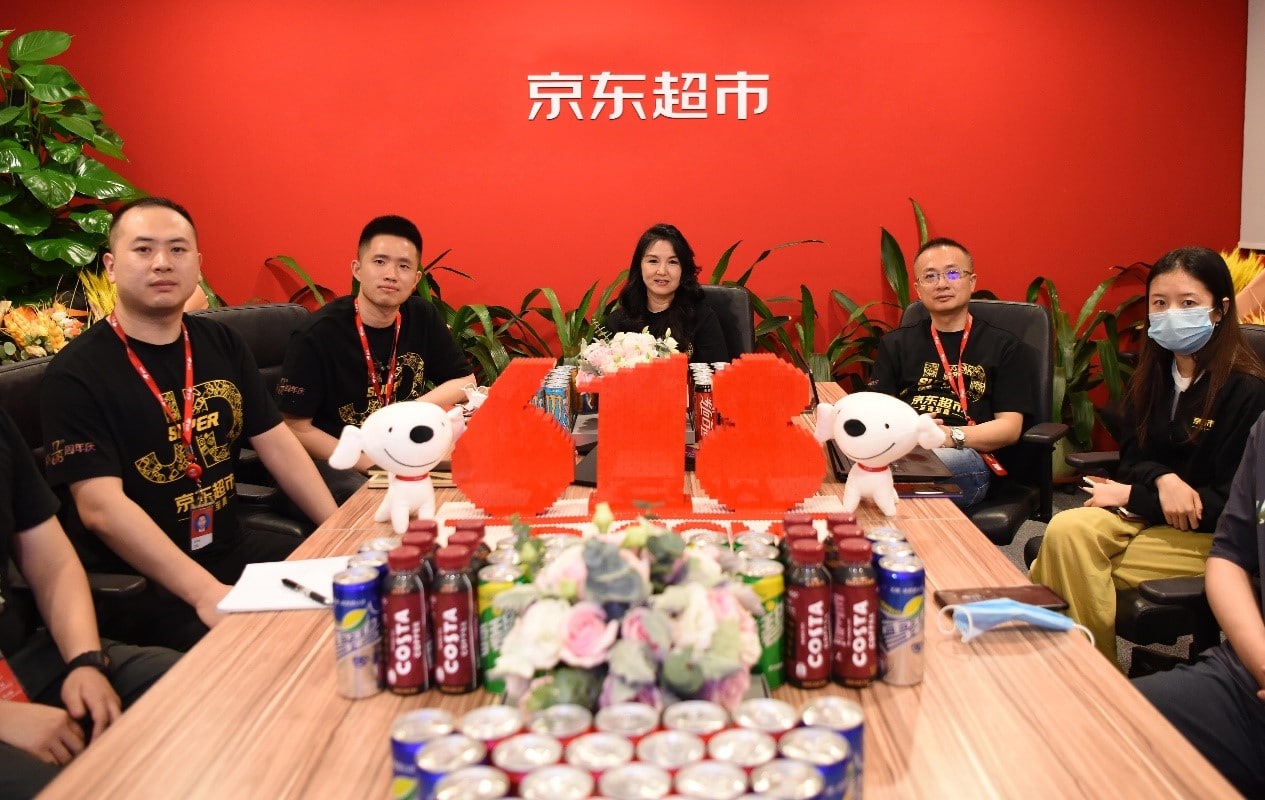
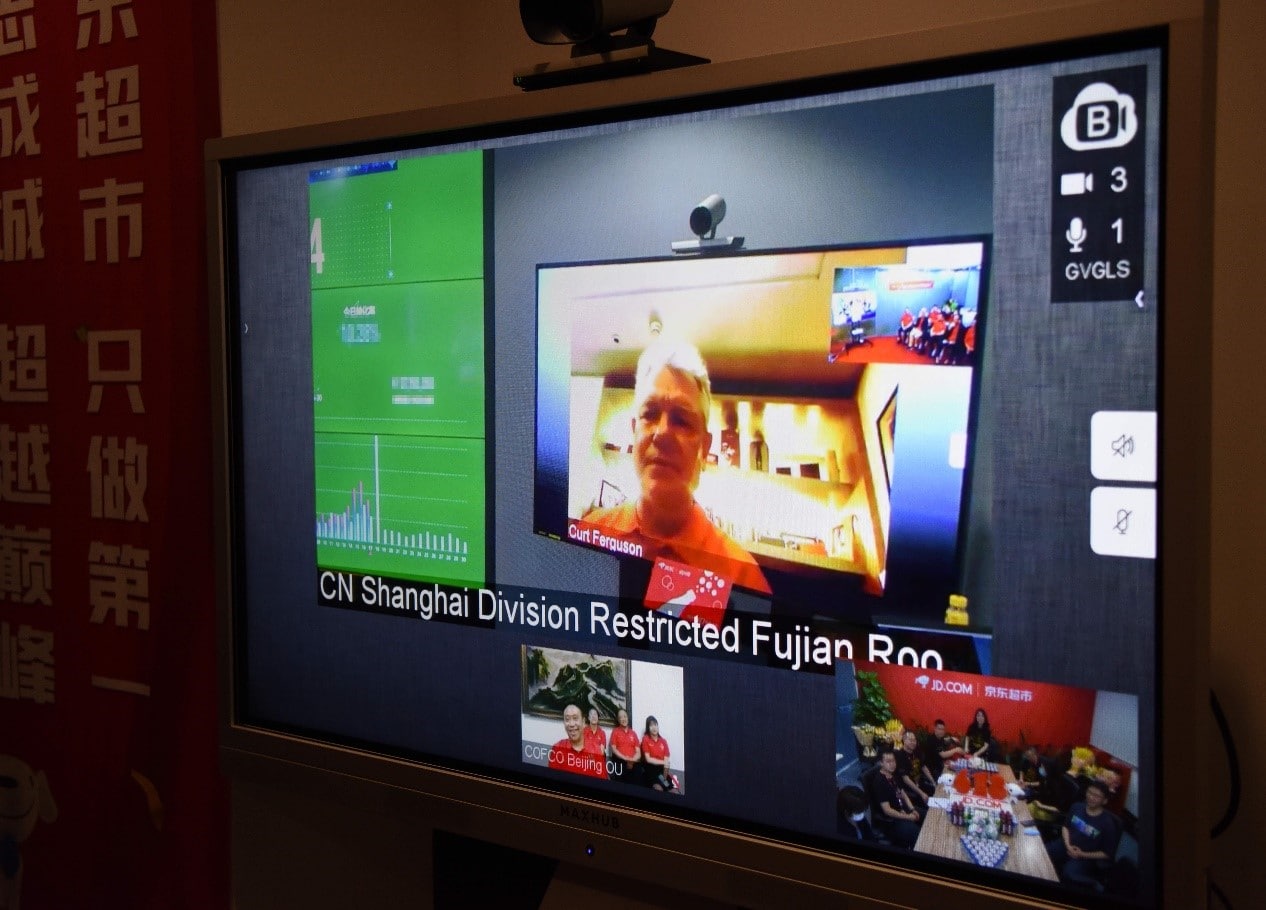
On the night of June 17th, Curt Ferguson, President of Coca-Cola Greater China and Korea, connected by video with Carol Fung, president of JD FMCG Omnichannel and Lizhen Liu, president of JD FMCG to celebrate JD’s 17th 618 Grand Promotion and discuss future development opportunities.

JD FMCG to celebrate JD’s 17th 618 Grand Promotion and discuss future development opportunities.

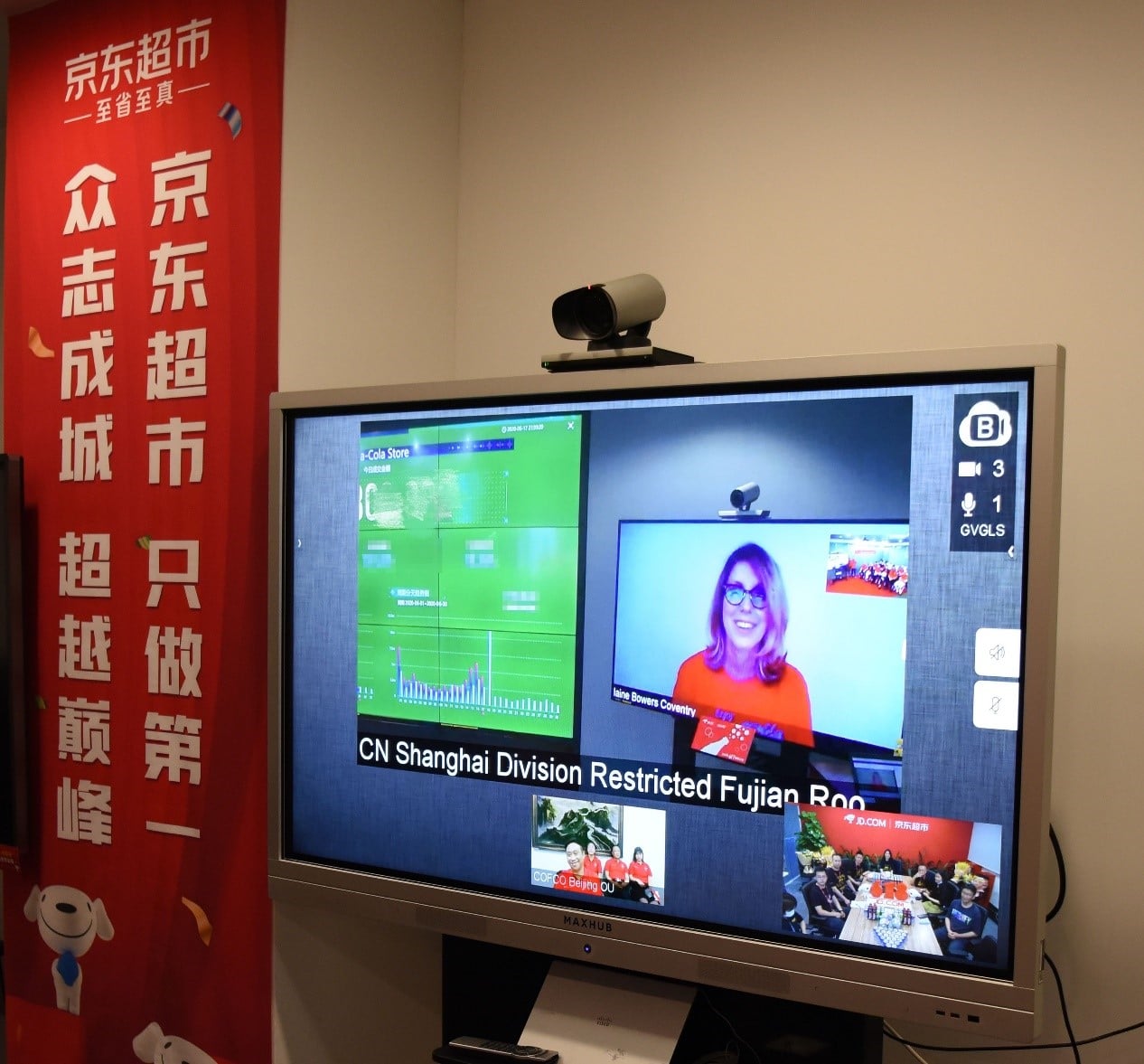
Elaine Bowers Coventry, Chief Customer and Commercial Officer of The Coca-Cola Company also joined the conversation via video conference. She said:” Coca-Cola’s partnership with JD.com reflects a best-in-class collaboration. JD.com embodies exceptional innovation, creativity and logistical capability and are a key leader in the industry. We are proud of our shared efforts to deliver quality brands and unique experiences to consumers and wish JD.com a most successful 618.”

Coca-Cola’s partnership with JD.com reflects a best-in-class collaboration.

During this 618, sales of products from the Coca-Cola Company achieved great performance on JD, and increased 200% y-o-y in the first hour of June 1st. Coca-Cola joined JD in 2003, and now JD Super, JD’s online supermarket, is one of the most important retail channels for the company online or offline.

In 2019, the two sides signed a strategic partnership in Shanghai to deepen cooperation in big data, omnichannel solutions, new product development, marketing innovation and smart supply chain.

This March, Costa Coffee, a member of The Coca-Cola family reached agreements with JD to further develop on big data, omnichannel operations and high-value customers’ management. By the end of March, when Costa Coffee officially entered China’s ready-to-drink coffee market by debuting its ready-to-drink products tailored for Chinese consumers, JD was the first e-commerce channel to feature the products.

At this year’s World Economic Forum in Davos, Switzerland, the Coca-Cola Company and JD announced a partnership to explore new ways of plastic recycling to help drive the circular economy in China. By end of 2019, JD.com and Coca-Cola China co-piloted a two-week recycling program in Shanghai, which leveraged JD’s logistic system to collect used bottles from 50,000 households when they delivered packages to consumers. The collected bottles were sent to recycling facilities in partnership with Coca-Cola.


(liuchang61@jd.com)

Final Report of 618: JD’s In-depth Analysis of RMB 269.2 Billion, the Face Value and What’s Behind It

Despite COVID-19 uncertainty, international brands, lower-tier cities, and livestreams are front and center

As JD’s 618 Grand Promotion (held June 1-18) came to a close, JD.com announced that it had experienced transaction volume on the platform of over 269.2 billion, during the sales period, up more than 33.6% year on year. With JD’s focus on consumer experience, JD began the sale on June 1 in order to give users more time online to make their purchasing decisions.

A data report is below, followed by a more in-depth analysis:

JD.com announced that it had experienced transaction volume on the platform of over 269.2 billion, during the sales period, up more than 33.6% year on year.

As the first major shopping event in the midst of the global COVID-19 pandemic, JD’s 618 performance has demonstrated the resilience of the Chinese economy and the opportunity that remains for international brands, even under uncertainty.


COVID-19

From the beginning of the epidemic, JD has played a key role in ensuring livelihoods and supporting the economy. COVID-19 has turned aspects of the food supply chain on their heads, especially in terms of grocery shopping in brick and mortar stores. From January 20th to February 28th, the company delivered 220 million products including 290,000 tons of rice, grains, meat and vegetables to its consumers. Many consumers, including those who were more accustomed to shopping for their groceries offline, turned to JD during COVID-19 and have continued to do so. From June 1st to June 18th, fresh food sold online and offline increased 100% YOY. Sales of over 1,000 fresh produce brands increased 100% YOY. Sales of vegetables increased 160% and meat increased 174%, among which sales of pork increased 229%, chicken increased 115%, and mutton increased 202%, all YOY.

The epidemic also helped drive people to embrace Internet hospital. From late January when it first launched free online medical consultation to June 18th, JD has received nearly 16 million medical consultations. Public awareness of JD Health and its services has greatly increased and the general public has started to pay more attention to health management, which is a key focus of JD Health’s future development. With the outbreak of COVID-19, disease prevention, health care, online consultation and purchase of drugs as well as medical equiment are top of mind for consumers. Professional medical service and health management services that can guarantee quality are welcomed enthusiastically by consumers.

From June 1-18, there is the number of medical and healthcare products sold increased 173% YOY, while online medical consultation volume increased 404% YOY. Sales of drugs for chronic diseases sold from JD Pharmacy increased by 270% YOY and cross-border drug sales increased by 20 times YOY. Sales of omnichannel medicine delivery service by JD Pharmacy was 492 times YOY. Sales of imported health products increased by more than 100% YOY. The number of JD Health Traditional Chinese Medicine (TCM) inquiries increased by 157% compared with the previous month. Sales of health services have also increased dramatically on JD Health, including a 269% YoY increase in sales of the health check-up category, a 35x increase in sales of the maternity service category and a 45.8x increase in sales of the vaccine category.

COVID-19 has certainly accelerated the adoption of e-commerce not just in China but globally. At the same time, considerable uncertainty remains about how long the epidemic will persist. In response to a question about whether JD had “benefitted from the epidemic”, JD Retail CEO Lei Xu told a group of reporters in Beijing that while it may seem like JD has benefitted in the short term, owing to its leadership in digitalization, supply chain, category advantages, etc., the pandemic has impacted the supply chain globally and locally. He said, “There isn’t a single company that won’t be impacted by the epidemic.”


International brands and JD’s increasing global reach

The sudden outbreak of the epidemic at the beginning of the year has put significant pressure on brands around the world. JD Retail CEO Lei Xu shared in an interview with Bloomberg, that this 618, no matter if you look at domestic or imported brands, 618 is an important sales opportunity and as a result, as compared with prior years, the participation by brands this year has been even more enthusiastic. During this 618, transaction volume of 187 brands, international and domestic, surpassed RMB 100 million yuan.

The most popular imported categories across the platform include electric shaver, luxury products, building blocks for children, music and entertainment and coffee machines. Best-selling brands include Apple, Sony, Siemens, Philips and Panasonic. The proportion of imported products purchases made by female users is 21.2% higher than that of the platform overall, while the average age of buyers of imported products is three years lower than the platform average. Top countries for imported brands include the U.S., Japan, Germany, the Netherlands and Italy.

On June 18th, sales of JD Worldwide, JD’ s platform for imported products, increased over 110% YOY. Sales of imported beauty products and pet products both increased over 400% YOY. Best-selling brands include Estee Lauder, A2, Aptamil, Swisse, Nintendo. During this 618, 82% of merchants used JD’s cross-border warehouse and delivery service. On June 18th, 80% of orders of JD Worldwide were sent out on the same day they were placed.

During the ongoing pandemic globally, overseas consumers have also turned to JD’s outbound e-commerce platform for supply of daily necessities. JD Global Sales, which runs the outbound business, witnessed 271% growth in transaction volume during the 18-day campaign. The top five best-selling markets are Hong Kong SAR, Chinese Taipei, the United States, Japan, and Singapore. The five most popular products are computers, smartphones, books, electronics products and small home appliances. In term of user growth, user number in Hong Kong jumped 260%.


Livestreaming

Livestreaming, which became a phenomenon early on in the COVID-19 outbreak, served as a key new focus area for JD during this 618. During this 618, JD hosted over 300,000 livestreaming sessions. Sales of 31 brands’ livestreaming rooms surpassed RMB 100 million yuan and sales of 167 brands’ livestreaming rooms surpassed RMB 10 million yuan. JD’s partnership with popular short video platform Kuaishou announced just before the Grand Promotion, officially kicked off on June 16th. On the day, sales generated from livestreamings on the Kuaishou platform reached RMB 1.4 billion yuan. Over 25 million visitors visited Chinese actress Zhang Yuqi’s and Kuaishou KOL Xinba’s livestreaming rooms. The Kuaishou partnership is a good example of how JD can leverage its supply chain capabilities to provide partners with top-notch products and services.


Lower-tier cities

The lower-tier cities remain a key source of new user growth. During this 618, over 71% of new users came from lower tier cities. Top categories for a first order bought by lower tier consumers are tissue boxes, t-shirts, cookies and cakes, recreational shoes and milk and dairy products. Top provinces with comparatively more new users in lower-tier markets include Henan, Sichuan, Yunnan, Anhui and Shandong.

Based on data during 618, lower-tier city consumers on JD trend younger, with the average age being 32.79 years old, and roughly 55% are female. These consumers also make up 61.5% of the group that pays attention to big promotions and roughly 82% of the group that pays attention to customer reviews.

High quality consumption in lower-tier markets doesn’t seem to be going away any time soon. During 618, the number of ice cream makers sold increased a whopping 2500% YOY. Transaction volume of renovation and design-related products increased 716% YOY. The number of milk frothers sold increased nearly 700% YOY, and the number of gaming tables and air fryers sold both increased 376% YOY. According to Fei Lu, Senior Data Analyst at JD’s Big Data Research Institute, water is one of the products where consumers in lower-tier cities prefer more premium brands as compared with their first and second tier city counterparts. For example, lower-tier cities consumers have a preference for Evian over more common water brands.

At the same time, in part thanks to initiatives by JD, local agricultural products from across China are reaching China’s largest and most developed cities. The top 5 cities buying the most agricultural products this 618 are Beijing, Shanghai, Guangzhou, Suzhou and Shenzhen.


New products

A few years ago, JD was an early mover in launching its consumer-to-manufacturer (C2M) initiative. The goal was to help brands and manufacturers better understand consumer preferences and use consumer insights to drive product creation. It turns out that only 12% of consumers know what C2M is, but it doesn’t matter. Separately, nearly 90% of consumers are satisfied or highly satisfied with C2M products, indicating the value of this initiative not just for manufacturers and consumers but all beneficiaries in the supply chain. This year’s 618 data also reflects this. The average daily sales of a smart TV, a C2M product by JD and Huawei, grew over five times during the 6.18 campaign, compared with the number during its launch period. A C2M refrigerator between JD and Midea, saw an almost 4-time growth in average daily sales, compared with May. A C2M washing machine between JD and Little Swan saw its average daily sales up over three times.


Logistics

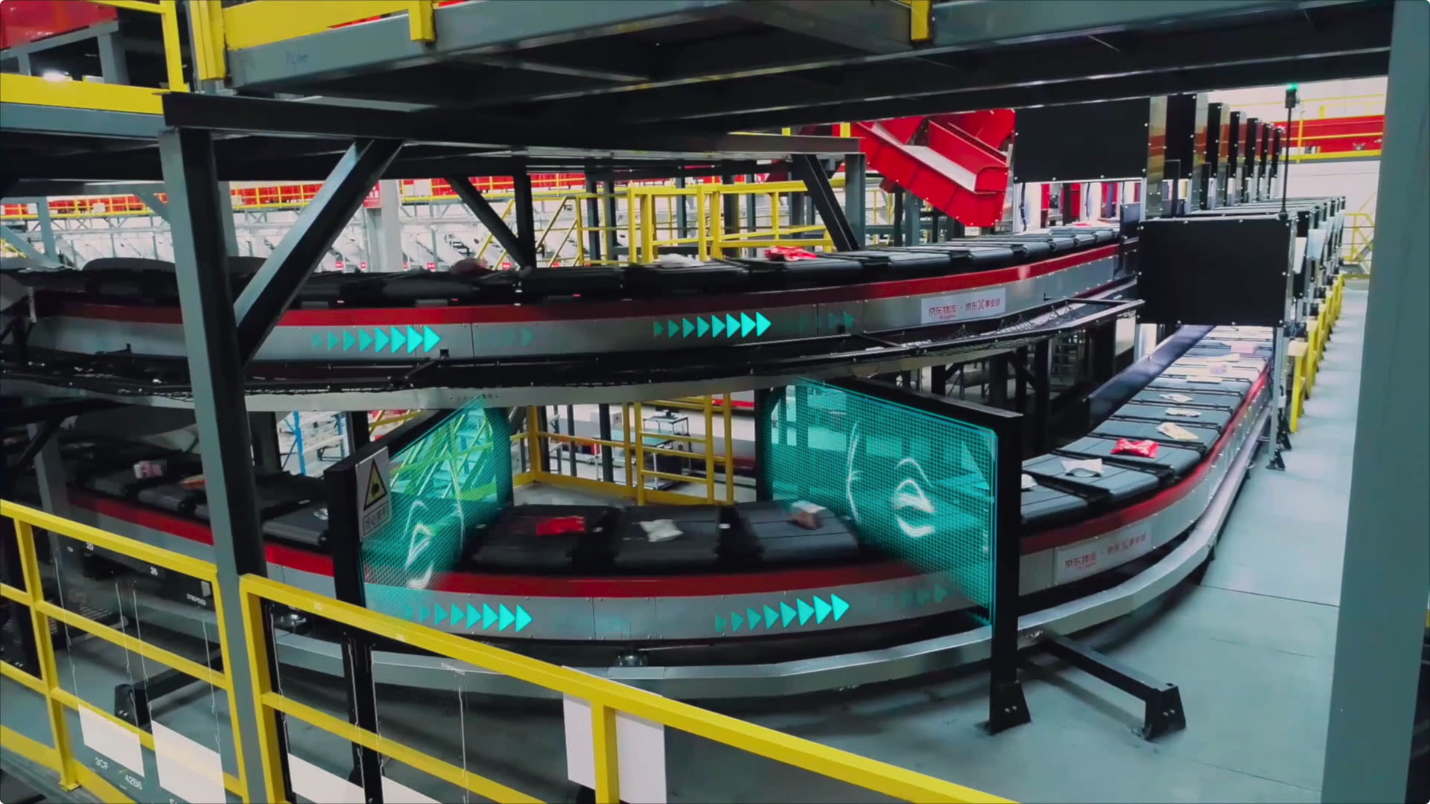
On June 8th, JD Logistics announced the upgrade of its lower-tier markets program to provide 24-hour delivery service in over a thousand counties and ten thousands of townships in China, in order to provide a superior experience for local customers. JD Logistics will either expand or newly construct 13 local warehouses and transfer centers. The new infrastructure will focus on second-to-fifth tier cities. In addition, by technology-driven, it will operate more Asia No.1 highly automated logistics parks, which traditionally have mainly focused on first and second tier cities, in lower tier cities. After putting three additional Asia No. 1 logistics parks into operation just before 618, JD now has a total of 28 of these parks.

JD’s external logistics business saw increasing demand during 618, a testament to the success of the company’s strategy to open up its resources to partners in and outside of the JD ecosystem. Revenue increased 80% YOY. JD’s parcel delivery service, bulky supply chain, service+ and cold chain warehouse outbound inventory increased 311, 230, 309 and 110% respectively.

On June 16th, JD announced the deployment of a fully-integrated Beidou Smart and Flexible Production Logistics Park in Tianjin’s Wuqing District, which is the first of its kind in Asia, and all R&D is developed in-house by JD. The warehouse is most suitable for fulfilling and managing orders spanning multiple categories at a large scale.

This June 18th, in its continuous focus on sustainable development, JD built the first demonstrative park for trash sorting in JD’s Asia No.1 logistics park in Beijing. In total, during the 618 Grand Promotion, JD Logistics has prevented 42,000 tons of delivery waste via recyclable packaging program, using slimmer tape, and going paperless.


Omnichannel integration

The integration of online and offline has deepened during this year’s 618. Based on JD’s data, offline stores achieved record high sales. 12,000 home appliances stores simultaneously did livestreaming on JD, achieving a 240% growth in total transaction volume YOY. Transaction volume based on livestreaming grew by 230%, compared with the same period of last month. More than 250 computer and digital product stores joined the 618 campaign. JD’s offline mobile stores saw an over 130% growth in transaction volume YOY while mega experience store JD E-Space saw transaction volume grow by 200 percent, compared with the same period of last month. The transaction volume of JD’s Five Star Appliance Stores grew ten times, compared with the same period of last year.

JD’s Omnichannel Fulfillment program is also a bright spot of this year’s 618. During this 618, sales through the program grew 30 times compared with the same period in April, and more customers are now able to enjoy the one-hour delivery service. JD’s Life Services business which offers consumers the chance to buy many services online and enjoy them offline, also was in demand during the period. 80% of online tire buyers chose in-store installment service. JD also saw nine times growth in sales of travel and daily life services. Orders for door-to-door laundry service grew 150 times, compared with the same period of last year.


Technology

As JD is undergoing its transformation to a supply-chain based technology and services provider, opening up technology to parties beyond JD remains a focus. During this 618, JD’s technology ensured comprehensive, steady and secure support to guarantee another record-breaking sales promotion. The amount of inquiries for JD’s NeuHub open AI platform surpassed 70 billion. Smart customer service, smart content review, AI writing robot and AI calling system have been comprehensively used during 618. 90% of customer service inquiries were handled by JD’s AI-powered smart customer service, and AI customer services responded over 380 million times.

 

JD Fresh: Procurement Volume Increased by 200% to Ensure Supply

by Yuchuan Wang

Leveraging its supply chain and in-house logistics network, JD.com has quickly responded to the new wave of COVID-19 cases in Beijing to ensure the enough supply of food and fresh produce to customers, online and offline.

Since June 12th, JD Fresh, JD.com’s online fresh food business, has increased the procurement volume by 200% that of the normal daily average, especially for the procurement of meat, poultry, eggs, fruit and vegetables. JD is collaborating with over 1,000 suppliers and is prioritizing supply to Beijing market.

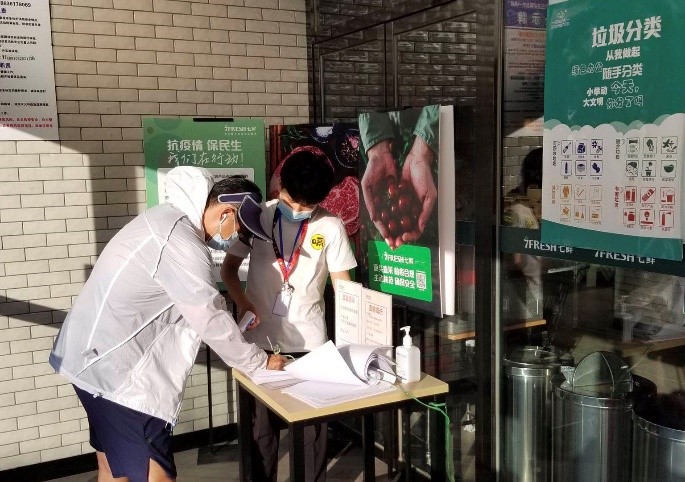
At JD’s offline 7FRESH supermarkets, each batch of goods arriving at the store will be checked carefully and suppliers are required to submit related certificates so that JD can trace the supply chain.

each batch of goods arriving at the store will be checked carefully and suppliers are required to submit related certificates so that JD can trace the supply chain.

Customers need to show their Health Information Kit (健康宝) record and undergo temperature checks before entering the store. They can also choose to order online via the 7FRESH app and have orders delivered in as fast as 30 minutes. All the delivery boxes are disinfected before they are handed over to customers.

In addition, each 7FRESH supermarket will do disinfection of the whole store in the morning and of all the public areas and equipment regularly throughout the day. Health checks for all employees are conducted every morning and employees are required to wear masks and gloves while on duty.

Relying on JD’s supply chain and logistics deployment, since the outbreak of COVID-19 in January, JD has become the reliable retail platform in China to support people’s livelihoods.


(yuchuan.wang@jd.com)

JD Supports the First Digital London Fashion Week with Iconic Brands

by Rachel Liu

From June 12th to 14th, London Fashion Week launched its first ever digital fashion week session which is free to the fashion lovers around the world. Three iconic British brands, A-COLD-WALL*, Paul Smith, and SMYTHSON, which all have flagship stores on JD, have joined the digital London Fashion Week. JD had invited Mr. Hu Bing, the ambassador of London Fashion Week, to have conversations through video interviews with the three brands to bring the latest British fashion insights and products to Chinese customers, and share the brands’ successful cooperation with JD.com.

SMYTHSON joined JD earlier this year and is a very popular brand among customers seeking a higher quality lifestyle. Luc Goidadin, creative director of SMYTHSON, said: “SMYTHSON has attached greater importance on online and e-commerce platforms after the COVID-19 outbreak. We are glad to be able to bring our premium products through JD.”

Paul Smith has a long-time good cooperation with JD and launched its first online authorized store in China on JD in May 2019. It also saw a rapid increase in sales on June 1st, which is the first day of JD’s June 18 Shopping Festival.

A-COLD-WALL* just launched on JD this May and is highly welcomed by young customers with strong personal style. It was also the winner for the BFC/GQ Designer Menswear Fund 2019 which JD is a key supporter of. JD is keen to introduce designer brand welcomed by the young customers to the Chinese market. “A-COLD-WALL* is a future heralding luxury menswear brand. We hope to show the essence of A-COLD-WALL* through collaborating with JD.” said Samul Ross, founder and creative director of A-COLD-WALL*.

With the launching of the videos on JD.com, the cooperation also increased the exposure of the three brands in China and improved the recognition of the brands among JD customers.

JD also supported the BFC/GQ Designer Menswear Fund and participated in the judging for the recipients of the “BFC Foundation Fashion Fund for the Covid Crisis”, to support creative fashion businesses and individuals to survive the COVID-19 crisis.


(liuchang61@jd.com)

In-depth Report: With JD, International Beer Brands Seek New Growth in China

by Ella Kidron

The boom that the fast-moving consumer goods (FMCG) e-commerce sector experienced in the first quarter of this year looks here to stay. With it, China’s online beer market is also getting a boost.


Consumers turn to JD Super during COVID-19, keep coming back during 618

The outbreak of COVID-19 impacted many brick-and-mortar establishments, leading e-commerce platforms around the world to take on the role of friendly neighborhood supermarket. JD’s FMCG-related e-commerce business saw a rapid increase in the first three months of this year, which has continued into 618.

As shared by Sidney Huang, who just stepped down as JD’s CFO on May 31st, on the first quarter earnings call* this year, “Category-wise, revenue growth of general merchandise accelerated to 38%, the highest growth rate for the past six quarters, driven by our newly integrated omnichannel supermarket business group, growing 47% in the first quarter as well as strong performance from healthcare, cosmetics, and household product categories.”

Before COVID-19, JD was already the largest retailer in the supermarket category, no matter if you look online or offline. As also shared by Huang during the Q1 earnings call, “By 2019, the revenues of this group reached over RMB115 billion, roughly 20% higher than the revenues of the largest offline supermarket chain in China, making us the largest retailer for this category in the country.”

On the first day of JD’s 618 (June 18th) Grand Promotion, June 1st, sales of JD’s online supermarket, JD Super, doubled as compared with last year and transaction volume in the beer category in five minutes , was 10 times that of last year while craft beer transaction volume in 10 minutes reached 10 times sales of last year.

During 618, JD Global PR sat down with Alexander Kremer, a director in JD’s FMCG Omnichannel division, which is led by Carol Fung, “Queen of FMCG”, for a chat on Twitter Live (see the full video here). The initial discussion inspired a deeper discussion to understand JD’s beer division, and the company’s role in driving market trends.


Market opportunity for international brands

China is one of the largest beer markets in the world, with annual consumption of over 45 billion liters – nearly five times as much as what Germany, the storied home of beer and the largest beer market in Europe, consumes, and twice as much as the United States alone, according to Euromonitor. The Chinese beer market has been growing rapidly over the years, even as the volume of the overall beer sector has decreased. Future growth is expected to be driven by the introduction of more premium and craft beers in China’s beer market. This means a huge opportunity for international brands looking to break into China.

As Kremer explains, “Usually it makes sense to go where the trend is. JD’s beer category has experienced rapid growth and global brands are growing with us.” According to Euromonitor, international brands account for 7.2% (in terms of liters) of beer consumption in the Chinese market. While this number relatively small and increasingly steadily, international brands are already hugely popular on JD.com, and account for 60% in terms of liters of beer sold on the platform.

For international brands looking to the Chinese market as their next growth avenue, JD offers an online channel with unlimited product selection covering the whole country.

As for how to win the hearts of Chinese consumers? “Trust goes a long way,” said Kremer. “Our first party retail model goes along with a lot of trust. When consumers buy on JD, they know they are buying authentic products and they can trust it.


Undeniable importance of logistics

Strong logistics are especially important for alcohol in China. “A lot of people buy rather larger quantities of alcohol online – above US$20 per order on average. JD Logistics is able to deliver to consumers in many places in China within 24 hours, which is really convenient compared with lugging 10 kg of beer home from the supermarket,” said Kremer. JD’s nationwide logistics network which consists of over 730 warehouses, is an important part of making this convenience a reality.

It needs to be almost as convenient if not more convenient to order alcohol online than to pick it up from the store. Kremer said: “Customers don’t want to place an order and wait three days. That’s not how most people buy groceries and consumer goods. When you buy online, we want to make it as convenient if not more convenient.” This is one of the reasons that the team places such an emphasis on omnichannel.

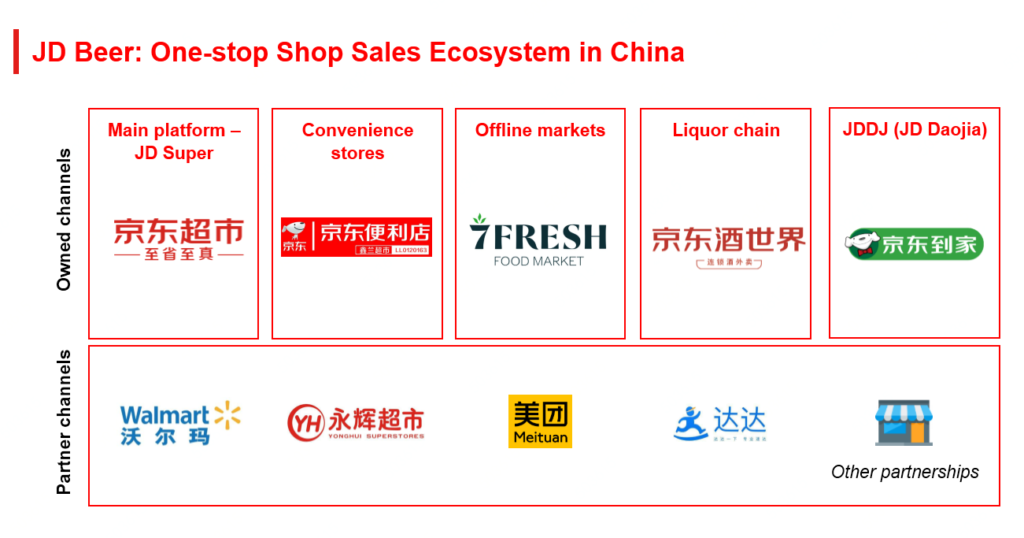
“JD understands that for alcohol brands, online is important and is a growth channel for sure, but that they are also interested in other channels, on-trade (bars, restaurants, etc.) and off-trade (supermarkets and other places where alcohol is purchased but not consumed on site). We can provide brands an extension into traditional retail channels as well,” said Kremer. JD operates 7FRESH, a high quality omnichnanel supermarket brand with countless imported products – consumers can opt to go to the store or order for delivery within as fast as 30 minutes.

There are currently 22 7FRESH stores nationwide. Beyond that, JD also operates JD Alcohol – a chain of more than 1,500 offline stores where quality tobacco and alcohol are sold. JD’s New Markets initiative also expands brands’ access to convenience stores across China. Finally, JD has been working for long on a closer integration between JDDJ (JD Daojia), the one hour from-supermarket-to-home delivery service, and the online JD Super channel. As a result, customers searching for beer through the JD Super channel will also see the products available in the closest traditional supermarket nearby – to be delivered within one hour. While in the JDDJ channel, customers also get cross-references to the JD Super channel if they aim to buy large quantities of the same brand.

JD Beer ecosystem in China, including owned and partner channels

JD Beer ecosystem in China, including owned and partner channels

A 7,000 year old industry seeks new

Kremer explained, “One might think that for such a historic industry, there isn’t much going on. But, in fact there’s a ton of innovation.” Beer is in fact one of the oldest (believed to be some 7,000 years old) and widely consumed beverages in the world, ranking third, only after water and teaCraft beer, which started becoming popular in China a few years ago, remains a hit among consumers, especially those looking for a more premium brew to be enjoyed leisurely.

Another relatively new phenomenon? Can/bottle size innovation. A few years ago, beer largely came in 500 ml of 330 ml cans or bottles, but now there are new bottle shapes, as well as varying sizes of bottles or cans, such as craft beer served in 1L bottles, almost like wine. Another thing which has not yet hit the market in China, but Kremer thinks could eventually become popular? An at-home tap beer machine. “You can bring beer to your home in 2, 3 or 5L kegs, and enjoy draft beer at home. More and more people are emphasizing the need to enjoy beer in the freshest possible way,” said Kremer.

In China, a rise in consumption of beer by female consumers is also driving JD to offer new flavors. Whereas traditionally male consumers might have been the primary decision makers in buying a lot of alcohol, including beer, now female consumers are more excited about buying it. In recent years, the share of female consumers as a proportion of total transaction volume has gone from around 20% to almost 30%. As a result, JD provides some lighter, softer tasting products, such as beers mixed with other beverages. At the same time, consumers in general are increasingly health conscious and gravitate towards lower calorie beers.

JD is doing its part to get ahead of the trends in the China market through its Consumer-to-Manufacturer (C2M) initiative where it uses data insights to develop new products. In the beer category, JD works with brands to analyze search terms, product reviews and other content people post on the platform as well as sales data, and based on that provides suggestions to brand partners about products which might do well with Chinese consumers. One C2M project, based on the analysis of millions of customer interactions (search, comments, etc.) with a major brewery led to a relaunch of the brand’s packaging. When it comes time to introduce these products on the market, livestreaming provides an exciting way to do so.


JD Bar goes live

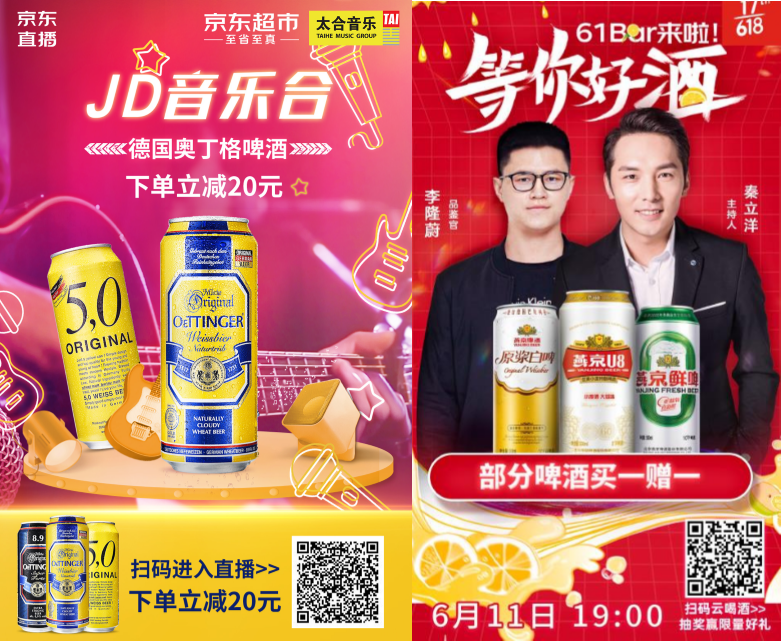
According to Kremer, sales of beer online through livestreaming started two years ago, but gained a lot of traction with COVID-19. Many of JD’s livestreams for beer brands and other alcohol products are appropriately hosted at the JD Bar – a makeshift bar in the JD HQ regularly used by the team for events and tastings. “Beer, alcohol and other consumer goods can sometimes be really complex products. JD’s platform offers an amazing selection of goods, but how to differentiate and explain certain trends, or advocate why spend more for a premium product, is a challenge. Livestreams allow us to talk about the products history, consumption habits, and unique qualities.” JD recently hosted a “livestreaming clubbing” session for a handful of German beer brands. An initiative that came into being during the height of COVID-19 as a way to help brands market their products, while providing unique entertainment for consumers, JD’s livestreaming clubbing has become a mainstay on the platform.

Livestreaming is one of several ways that JD is able to provide visibility to brands. Through its strategic partnership with Tencent, as well as with content providers such as Kuaishou – the e-commerce giant has recently inked a new partnership where customers will be able to watch livestreams on Kuaishou and buy products from JD without leaving the Kuaishou app – JD is able to expand the ecosystem in which brands have visibility in the China market beyond itself to other channels. This year JD is hosting 300,000 livestreams during the 618 Grand Promotion, of which 70,000 are from JD Super. “What’s really interesting is it’s not just us and celebrities, but many times we also combine with brand reps for livestreams,” said Kremer. “It really becomes a form of co-creation between the brand, us as a platform and (internet) celebrities.”

A recent livestream clubbing session hosted by JD Beer to promote German beers

A recent livestream clubbing session hosted by JD Beer to promote German beers

In just a few short days JD’s 618 Grand Promotion will come to an end but work is far from over for the beer team. Just around the corner is JD’s beer festival held from July to August, which can be thought of as an online version of Oktoberfest, the infamous beer festival that originated in Southern Germany and become famous worldwide. The festival will see extra marketing campaigns and very attractive deals. “A lot of people shop on our platform because they are excited about discovering new brands, products they can’t find in supermarkets, bars, restaurants,” explained Kremer. The upcoming beer festival will serve as yet another opportunity for international brands to gain visibility among Chinese consumers, as well as a chance for consumers to taste the latest and greatest in beer from all around the world.


*All earnings call statements are under a safe harbor statement, available here: http://ir.jd.com/news-releases/news-release-details/jdcom-announces-first-quarter-2020-results


(ella@jd.com)

JD Deploys Asia’s First Integrated Smart and Flexible Production Logistics Park in Tianjin

by Ling Cao

On June 16, JD announced the deployment of a fully-integrated Beidou Smart and Flexible Production Logistics Park in Tianjin’s Wuqing District, which is the first of its kind in Asia, and all R&D is developed in-house by JD.

The warehouse is most suitable for fulfilling and managing orders spanning multiple categories at a large scale.

Zhenhui Wang, CEO of JD Logistics said, “Leveraging our experience in smart technology innovation and application in various scenarios, JD Logistics has built an integrated supply chain technology platform covering underlying technology, software and hardware systems, as well as smart supply chain, which can be opened to other partners as basic building blocks.”

Video download link: https://jdcorporateblog.com/wp-content/uploads/2020/06/JD-Deploys-Asia%E2%80%99s-First-Integrated-Smart-and-Flexible-Production-Logistics-Park-in-Tianijn.mp4

The key characteristic of this warehouse is its brand new operation processes and management infrastructure, achieving full cycle intelligent self-status recognition, automatic diagnosis and dynamic optimization. Based on IoT and AI, it deeply integrates cutting-edge technologies: deep learning, big data, operational research, machine vision recognition and digital twin models, enabling it to be able to deal with millions of SKUs, high concurrency throughput and high flexibility to process peak time volume and optimize resource usage, covering hundreds of categories including electronics, apparel, baby and maternal, cosmetics, and food In addition, the model has high replicability and low investment costs, and JD is willing to open the core technology to merchants, extending its value to the rest of the industry.

Kun Wang, head of JD’s BeiDou Smart Flow-picking Innovation Warehouse said, “If a large enterprise can use our model and put it into large scale operation, it will save them tens of millions of RMB each year.”

Unlike a traditional warehouse which picks goods based on orders, the new warehouse use the industry-leading flow-picking model, which picks goods based on products, and changes manual static picking tasks into fully automatic dynamic tasks. In this way, it maximizes the number of items picked on a single trip, thus increasing picking density, shortening the walking distance of warehouse workers, reducing the number of picking trips, and eventually improving picking efficiency and reduce labor intensity.

Behind the scenes, this seemingly simple picking process is powered by a complex and automatic production and operations management system. Through writing 12.6 million lines of code, JD has redeveloped the warehouse management system in this warehouse so that people, goods and scenarios can be managed through a single, core system.

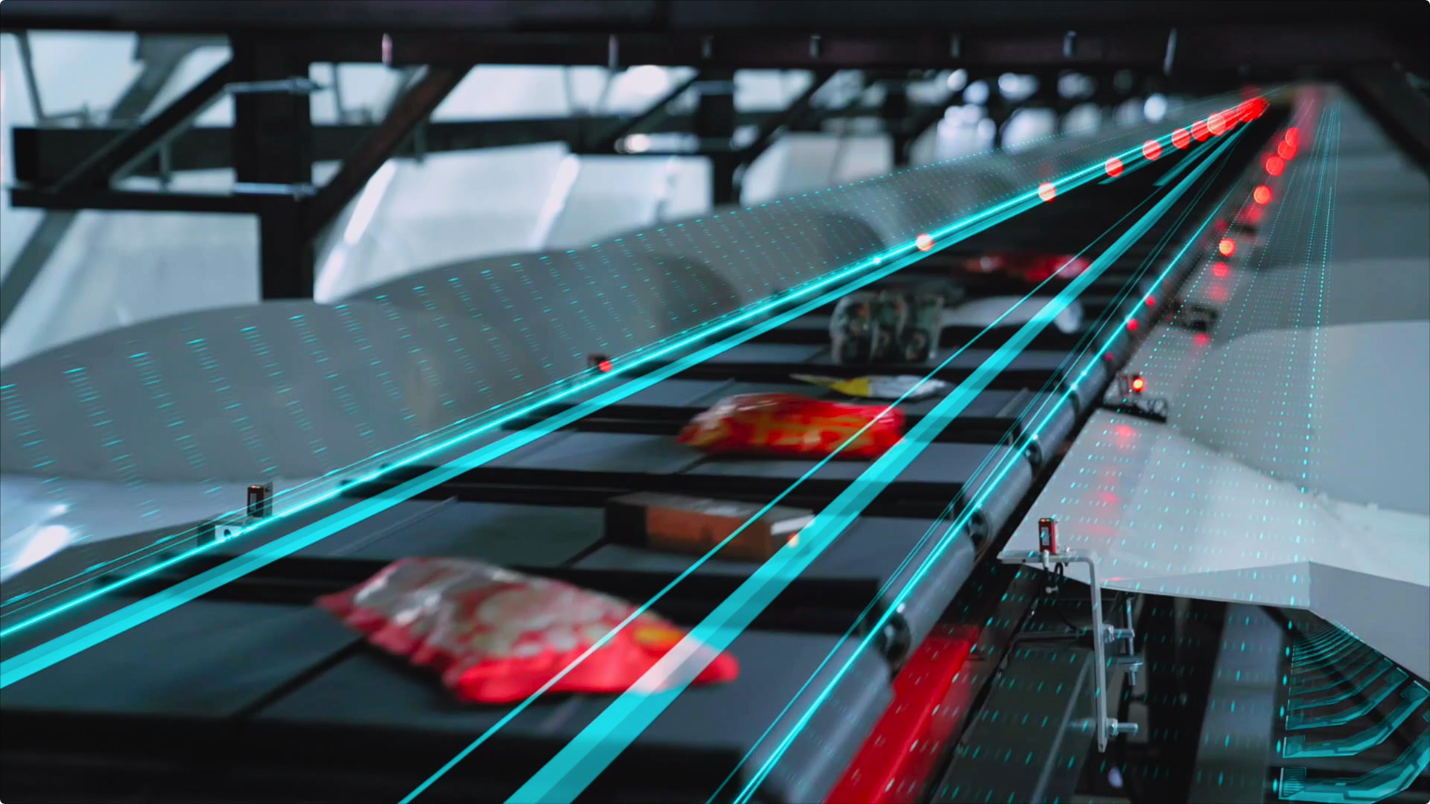
As for hardware, the warehouse consists of tens of thousands of components, including chips, sensors, cameras, barcode readers, and smart sorting system, and its operations are fully supported by IoT. All of the products, containers and the sorting system operate based on instructions from the core system.

Instructed by the core system, 800 smart sorting trolleys on a sorting rail can do dynamic route planning with 99.99% accuracy. With this new innovation, customers around the Beijing-Tianjin-Hebei region can enjoy the benefits of having orders fulfilled 2-3 hours faster than previously.

The new warehouse also changed the traditional operation management model which is mainly managed by manpower, to a new automatic and flexible model.

The new warehouse also changed the traditional operation management model which is mainly managed by manpower, to a new automatic and flexible model. It can achieve real-time operation status perception for the warehouse, real-time labor and hardware resource allocation, and real-time risk forecast and contingency plan creation.

For example, it can determine how many workers and devices are needed in certain time period, accurate to an hour, even for a dynamic efficiency adjustment. Especially during peak times like 618, it can recommend several coping plans to ensure stability. In addition, leveraging smart algorithms, the new warehouse can continuously self-learn and self-optimize, improving operation and management capabilities over time.

JD Logistics manages tens of millions of SKUs (Stock Keeping Units) in its warehouses, covering almost all categories in the retail industry and maintained an inventory turnover rate that is higher than the industry average, all attributed to the continuous development of smart and digitized infrastructure.


(ling.cao@jd.com)


Carol Fung: JD FMCG Omnichannel’s Role in Helping Customers “Eat, Drink & Live” Better

by Ella Kidron

On June 12th at an event held in JD.com’s Beijing headquarters, Carol Fung, President of FMCG and Omnichannel, dubbed JD’s ‘Queen of FMCG’ gave a group of reporters an update on JD’s 618 Grand Promotion thus far as well as long-term priorities for the JD FMCG Omnichannel business.

Even in post-COVID lockdown China, paper products are still surprisingly still in high demand. Fung mentioned that every year, the team identifies products in some categories and sets a sales target of RMB 20 million per day. One of those products is a bag of tissues that Fung’s team shipped over 500,000 boxes of on a single day.

Another trend of this 618 that hasn’t been seen in previous years – a spike in demand for seasoning. COVID-19 is said to have boosted the “kitchen economy” in China, with demand for kitchen supplies and ingredients reaching new highs. Fung explains, “Previously, people might buy seasoning a bottle at a time, but now they are buying in much larger quantities.”

At the same time, premiumization is an ongoing trend. Fung puts it quite simply, “People want to eat better, drink better and live better.” While every category is a bit different, Fung cites rice as an example of this premiumization trend. The lowest price of rice is RMB 4 yuan per kg, however premium rice from Wuchang in Heilongjiang province is RMB 16 on average per kg, while organic rice can reach RMB 24 per kg. The demand for premium rice has brought the average overall price of rice sold on JD up to RMB 8 per kg.

Fresh products got off to a good start on June 1st with durian, beef and chicken all performing particularly well, and Fung expects that trend to continue through the rest of the Grand Promotion. She explained that after seeing the booming sales of fresh food in the first quarter as a result of many people turning to online for their produce with wet markets closed, the team wondered if this trend would continue or if demand would normalize. However, because of continued rapid growth of new customers in fresh and frozen of over 100%, sales have continued to grow by over 100%. Fung expects at least high double-digit growth for the long run in the category. She explains, “We will expand our cold chain logistics network to continue to support this business. More and more customers shop with us, and we need to provide the best service to them.” Cold chain logistics is one of JD’s six major logistics networks and an essential component of its fresh and frozen strategy.

This 618 has also seen a rebound in liquor and hair care products after demand was temporarily suppressed by the epidemic. Liquor is heavily reliant on offline scenarios, but Fung’s team introduced online clubbing, an innovative way to keep people entertained in lockdown and to introduce and promote liquor sales. Now the liquor category is back in force, but livestreams remain an important part of the FMCG business.

During this year’s 618, FMCG will do nearly 70,000 livestreams. JD previously announced it would do over 300,000 livestreams this Grand Promotion, and the contribution from Fung’s team makes up at least 30%. “Livestreaming is a hot trend right now. Each of our categories has its own characteristics, and many have celebrity endorsements, so we invite the celebrities to do livestreaming with us”. One livestream with well-known Chinese actor and entertainer Wang Yibo on JD helped Ariel (碧浪) drive a record number of unique visitors and daily sales. She explains the livestreaming is not just as a means to attract customers, but also a key tool to provide valuable insights to the brands so that they can continue to improve their retention rate and reach consumers with more precision.

One of Fung’s long-term priorities is customer management. She explains that it is important for JD to grow with its customers and meet their demands precisely at different stages in the consumer lifecycle. This conscious effort to invest in the customer is clearly paying off – the FMCG categories have the highest repeat rate among all categories on JD. Fung can’t help but hide her excitement, “In my business group, there is not a single category that is not performing well.” Fung’s FMCG business is a key driver of future growth for JD.

As for what’s next for Fung and the team once 618 wraps up, two words come to mind: Omnichannel Marketing. She explains that while there is typically a slowdown in July after the sale wraps up, this year, in order to help manufacturers make up losses from the first quarter, JD FMCG Omnichannel will invest more in omnichannel marketing campaigns. She adds, “More important is a focus on the user, our customers.” Omnichannel marketing is yet another way to recruit, engage and retain customers. Two projects on the horizon in this area involve Chinese dairy leader Mengniu as well as P&G, one of the many top international brands Fung’s team sells, but it is too early to share details.


(ella@jd.com)

JD and Leading Retail Research Firm IGD Release Report on JD’s Autonomous Warehousing

by Ella Kidron

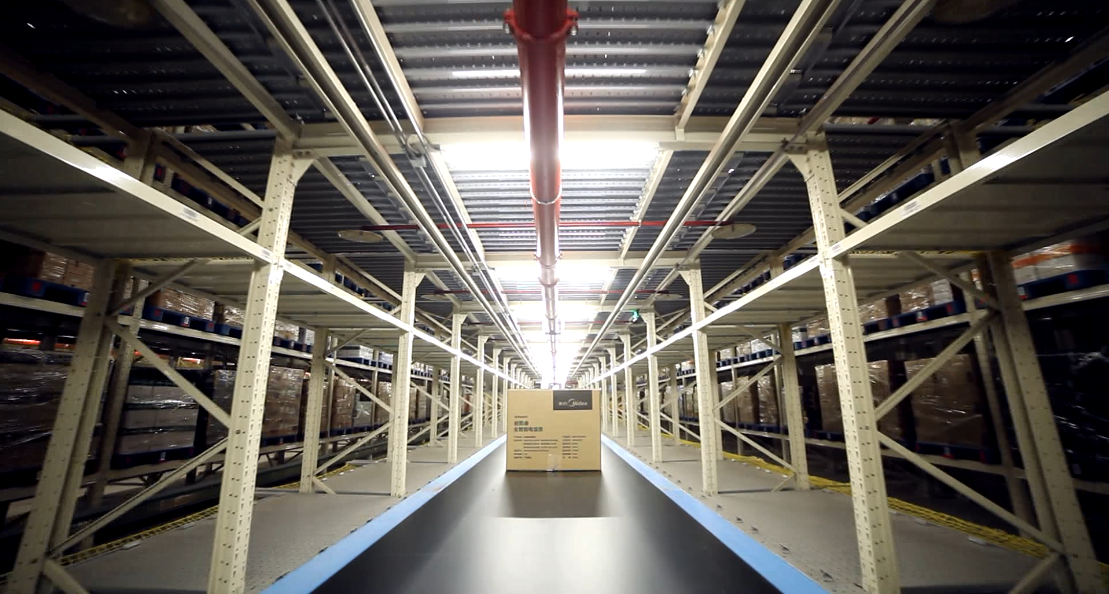
On June 16th , JD and leading research firm, IGD, released a collaborative research report on JD’s autonomous warehousing. The report, “Demystifying JD.com’s Autonomous Warehouse” provides an overview of JD’s autonomous warehousing technology, its processes, proprietary software, the role of 5G and sustainability initiatives. In particular, it provides a spotlight on JD’s Asia No. 1 logistics park in Dongguan, Guangdong province (Read my colleague’s in-depth on this here)– the largest autonomous warehouse in Asia. JD’s Dongguan logistics park covers an area of 500,000 square meters and has 78 automatic stackers with a combined height of over 1,600 meters. It is able to handle 1.6 million orders per day.

During the height of COVID-19, JD’s autonomous warehousing capabilities and other smart logistics were essential in ensuring sufficient supply. Advanced algorithms capable of new route planning, vehicle usage optimization, and inventory forecasting, which are regularly used in JD’s operations, were key to this effort. From January 20th to February 13th , JD supplied 71,500 tons of rice, flour and grain, 27.25 million liters of cooking oil, 40 million bags of instant noodles, 50,000 tons of fresh produce, 3 million cans of baby formula, and 3.61 million bottles of disinfectant, among other products.

The report also looks at the important role of 5G in the future of logistics, especially in the realm of industrial Internet of Things (IIoT). JD unveiled the world’s first 5G-powered smart logistics park in Beijing in October 2019.

The full report can be downloaded from IGD at the following links:

  • For non-subscribers to IGD: https://bit.ly/3e9It39
  • For subscribers to IGD: https://bit.ly/2Y9GZAF

A more substantive summary of the report from IGD is available here: https://bit.ly/2AJUcan.


(ella@jd.com)