Topic

JD and Walmart Launch Omini-channel Marketing Model

by Vivian Yang

JD.com and Walmart launched their new omni-channel marketing model “Jing-Wo New Initiative” on June 7.

“Jing” refers to JD.com’s Chinese name “Jing Dong,” “Wo” is for Walmart in Chinese, and “New” represents the newly released products that will participate in this cooperation.

Based on this new marketing collaboration model, JD will make full use of its strength in omni-channel and supply chain middle platform to help brands integrate product launching resources across all channels, expanding new products’ touch points and exposure among customers; and helping customers enjoy the latest product offerings in a more convenient manner.

Walmart will leverage its 400+ stores across the country, its online stores including several Walmart’s flagship stores in first-party and third-party modes and its official overseas stores on JD and its mini programs to support the marketing campaign.

“The new initiative is an inevitable strategy for all retailers, brands and retail distributors who take an omni-channel approach,” said Carol Fung, vice president of JD.com and president of JD FMCG Omni-channel. “It can greatly help brands to incubate new products, identify their core customers and broaden the incremental market for more sales opportunities.”

Shiyuedaotian (十月稻田), a famous domestic rice grower and seller, became the first brand to join this initiative. Through the collaboration, the brand’s new customized rice product, which is co-branded with a popular Chinese TV series Country Love, simultaneously hit the market on all platforms including JD’s main site, other JD’s online selling platforms and JD’s dedicated site for new products, all of which count over 500 million active users, as well as all of Walmart’s online and offline channels.


(vivian.yang@jd.com)

Posted in Uncategorised

JD Health Launches Online Clinical Trial Patient Recruitment Center

by Hui Zhang

JD Health announced to partner with Contract Research Organization (CRO) and other pharmaceutical companies on Wednesday (June 10) in Beijing to launch an online clinical trial patient recruitment center to further accelerate the process of new drugs approving and marketing, and make it convenient for patients to find clinical trial projects online both quickly and precisely.

CRO is an organization contracted by companies to take the lead in managing each company’s trials and complex medical testing responsibilities.

As an important part of the new drug development process, clinical trials are the most funded phase. Patient recruitment is the most critical, time-consuming and expensive step in the entire clinical trial process. Traditionally, offline recruitment organizations usually dispatch their employees to various cities, hospitals, and clinics to reach out to their target patients. The whole process is time-consuming and expensive.

The new center will be committed to providing digital solutions for CRO and pharmaceutical companies to connect doctors and patients effectively. Through the platform, Phase I, II and III clinical trials of drugs can be opened to subjects online. Specialized project management simplifies the recruitment process and can quickly improve the enrollment speed of patients. Meanwhile, through big data technology, the platform can compare clinical trial requirements with disease mapping around the world, thus improving recruitment efficiency.

In addition to simplifying the recruitment process and shortening the recruitment time, JD Health will also rely on its own “Internet + healthcare” service capabilities to support the promotion of clinical trial patient recruitment projects. JD Health will not only cooperate in the clinical trial stage, but also participate in the pre-marketing process and seek in-depth cooperation with pharmaceutical companies.

For a large number of patients in urgent need of treatment, the advantage of participating in clinical trials is not only to “cure” but also to “save money.” The information provided by the online center will help patients with drug needs to find new drugs quickly and reduce their financial pressure to a certain extent. Patients in the trial who are in the comparison group without taking the trail medicine can also receive the existing standard therapies for free.

“Together with CRO and pharmaceutical companies, JD Health will participate in the clinical trial of new drugs with the synergy of multiple parties, which will also help accelerate the launch of more innovative drugs. At the same time, JD Health’s health management services will also be effective in the clinical trial cooperation,” said a representative from JD Health’s pharmaceutical business.


(zhanghui36@jd.com)

Posted in Uncategorised

JD 618 Grand Promotion: Nanjing is No.1, And Other Fun Facts

by Ella Kidron

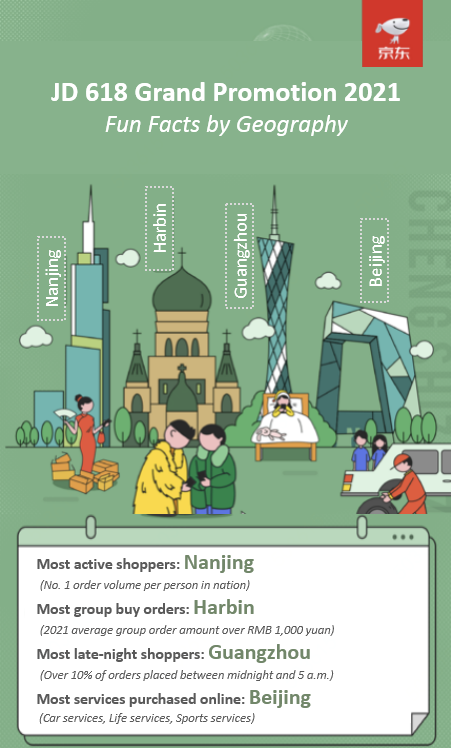
With JD’s 618 Grand Promotion over halfway through, some trends are emerging. The JD Big Data Research Institute summarized several fun tidbits about different regions in a short report released on Jun. 11.

The report finds that shoppers in Nanjing, Jiangsu province are the most active, taking the crown for No. 1 order volume per person of any other area in the nation. Group buying, which has become popular in China in recent years, is most used in Harbin. The average amount per group buy order in the chilly capital of Heilongjiang province in Northeast China this year exceeds RMB 1,000 yuan.

The “night owl” champion of e-commerce goes to Guangzhou, where 10% of orders were placed between midnight and 5 a.m. Finally, as the service economy is sizzling across the country, Beijing residents are taking the most advantage of buying services online, with car, life and sports services topping the list.

The 618 Grand Promotion (held from Jun. 1-18) celebrates JD.com’s 18 years of providing high quality services to consumers all over China. During the pre-sales period, the e-commerce giant’s 30-day price protection, free delivery and worry-free return services made customers more confident to get a head start on the mid-year shopping extravaganza, resulting in pre-sale orders being up 640% YOY.

More details are in the infographic below:

JD 618 Grand Promotion: Nanjing is No.1, And Other Fun Facts


(ella@jd.com)

Posted in Uncategorised

Photo Gallery: This Week at JD (June 5 – June 11)

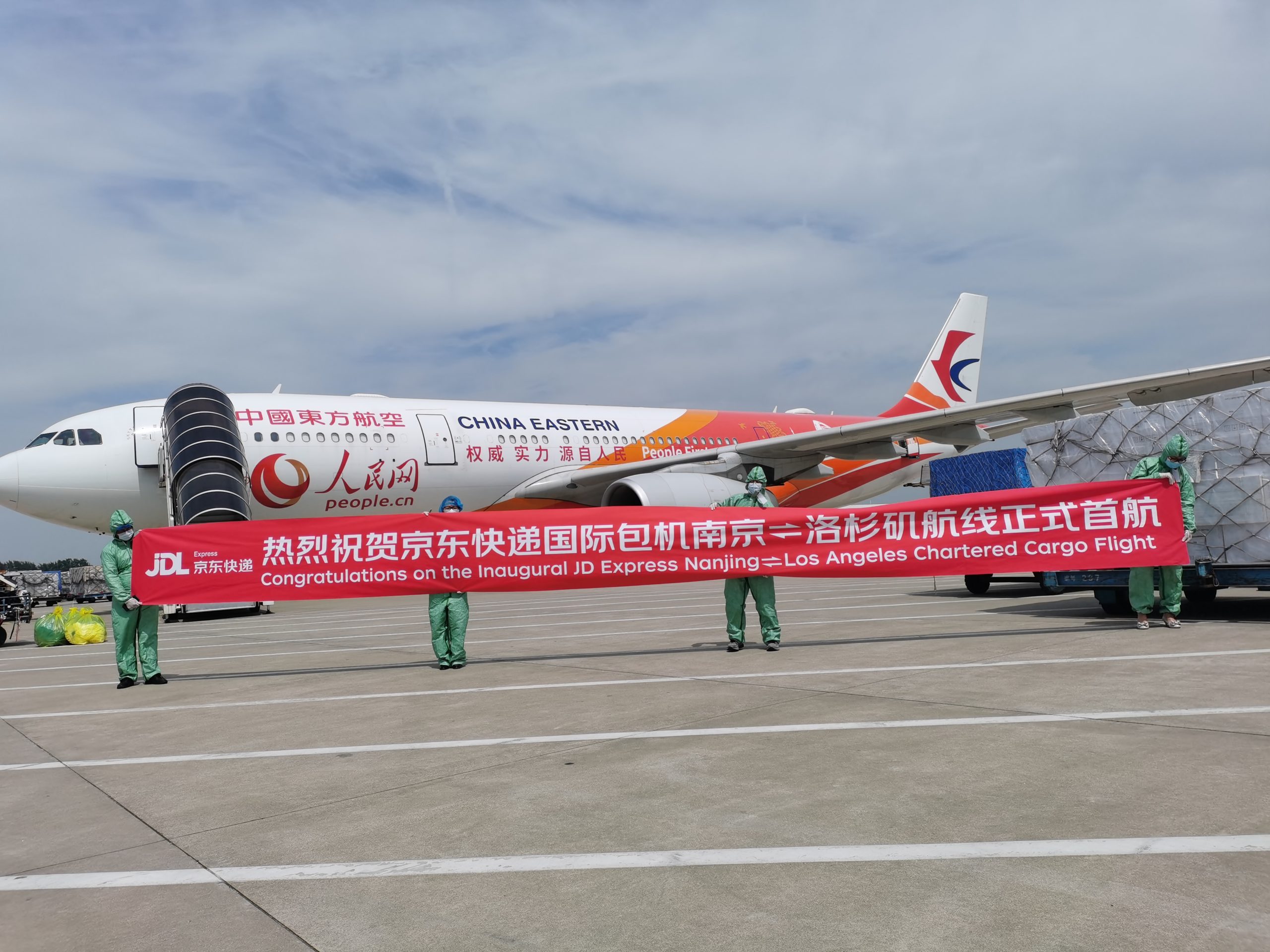
JD launched its first cargo flight between China and the U.S. on Jun. 7. The route between Nanjing Jiangsu province and Los Angeles will facilitate the transport of quality Chinese products to the U.S. and vice versa.

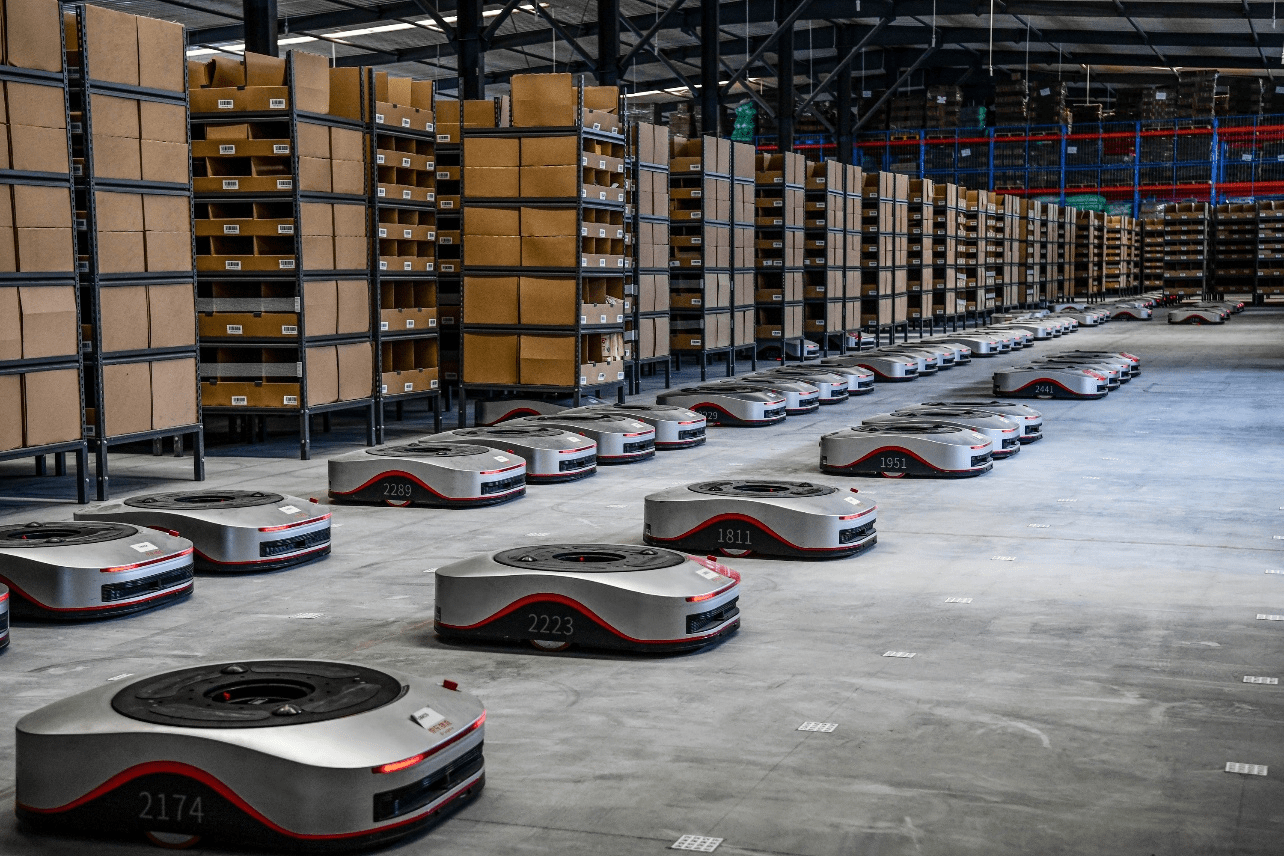
Over 100 automated ground vehicles (AGVs) were put into use in JD’s 27,000 square-meter logistics center in Lhasa, Tibet on Jun. 9, making it the largest smart warehouse in this autonomous region. JD will further develop its logistics infrastructure in Tibet, building more warehouses, transfer and distribution hubs, to serve better local customers and help Tibet’s specialties reach the rest of the nation.


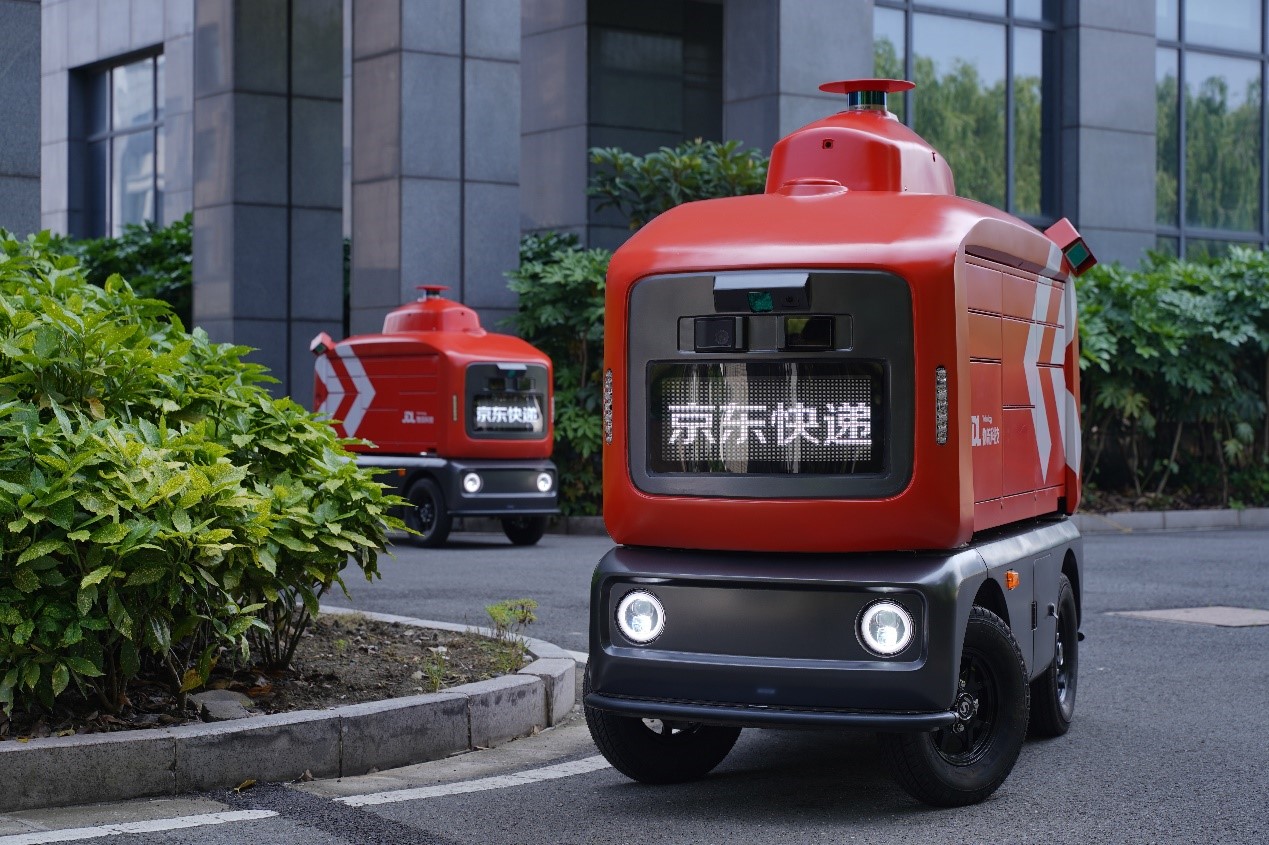
JD Logistics announced on Jun. 10 that it will upgrade the service of its autonomous delivery vehicles during this year’s 618 Grand Promotion to satisfy consumers’ demands whenever and wherever. At the same time, 30 new Level-4 autonomous vehicles are being put into use in Changshu, Jiangsu province from today. Click here to read more.


JD.ID appointed the star actress, Cinta Laura as its brand ambassador, on Jun. 10. Cinta Laura is an Indonesian-German actress, electropop singer and model who was appointed ambassador of anti-violence against women and children by the Indonesian Ministry of Women Empowerment and Child Protection in 2019.

JD.ID Appoints Star Actress as Brand Ambassador

by Yuchuan Wang

JD.ID announced it has appointed the multi-talented actress, Cinta Laura as its brand ambassador, on Jun. 10. The announcement adds excitement to the celebration of the 618 Grand Promotion of the e-commerce company, offering unprecedented discounts from Jun.7 to Jun. 18 in Indonesia.

“Online shopping simplifies us getting the things that we want without having to leave the house. This is definitely safer, in the midst of the current pandemic,” said Cinta Laura.

JD.ID announced it has appointed the multi-talented actress, Cinta Laura as its brand ambassador,

Cinta Laura

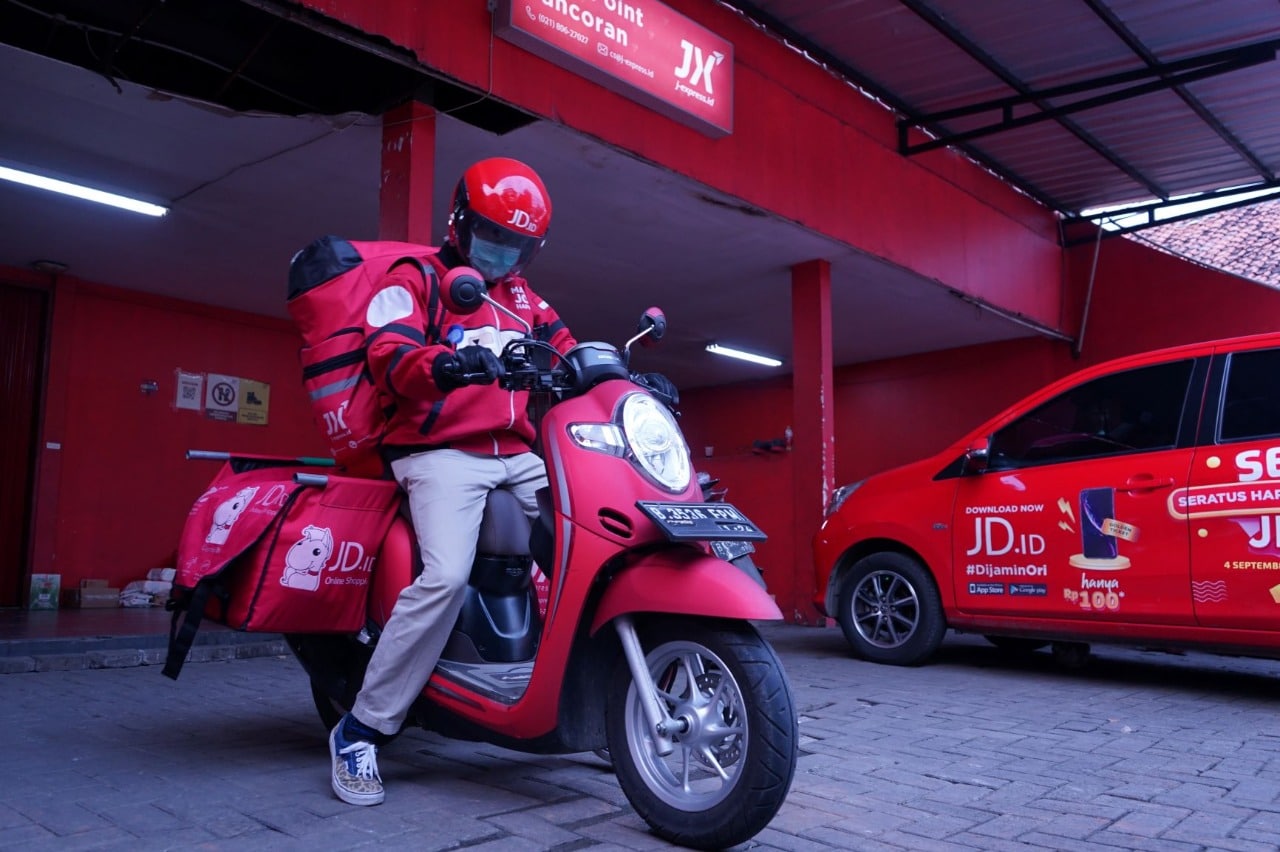
The company also revealed several sales campaigns during the 618 sales such as free delivery vouchers, extra flash sales which take place six times in a day, top brand sales with an up to 80% discount for branded products and “crazy deals”, which will offer peak benefits during Jun. 16 to 18. Leveraging its nationwide in-house logistics network, JD.ID has achieved 85% orders fulfilled in 24 hours despite the fact that Indonesia has thousands of islands.

JD.ID courier

JD.ID courier

“The pandemic has caused changes in behaviors and habits in society with the development of digitalization,” said Leo Haryono, Chief Marketing Officer JD.ID. “Therefore, JD.ID continues to strive in carrying out promotional strategies, encourage regional markets, build more offline store presences to be closer to consumers, and create convenience and ‘peace of mind” for shopping.’

Cinta Laura is an Indonesian-German actress, electropop singer and model who was appointed ambassador of anti-violence against women and children by the Indonesian Ministry of Women Empowerment and Child Protection in 2019.


(yuchuan.wang@jd.com)

Posted in Uncategorised

JD.com and Dada Group Jointly Publish White Paper, “Chinese On-Demand Consumption Trends Report 2021”

Features proprietary insights into the latest on-demand economy trends in China

Highlights key growth opportunities and near-term challenges in China’s rapidly growing hyperlocal e-commerce industry

by Dada & JD

JD.com, China’s leading technology driven e-commerce company and Dada Group (“Dada”), a leading platform of local on-demand retail and delivery in China, jointly published a white paper today titled, “Chinese On-demand Consumption Trends Report 2021.” Featuring proprietary insights into the latest on-demand economy trends in China, the report highlights the key growth opportunities and near-term challenges in China’s rapidly growing on-demand and hyperlocal e-commerce industry.

On Mar. 22, Dada announced that JD.com will increase its stake to 51% by investing a total of US $800 million in newly issued ordinary shares. Leveraging JD’s devoted strategic support, Dada will better fulfil demands for local on-demand retail and its delivery on JD, covering various scenarios and categories, and expand the omni-channel cooperation with JD.

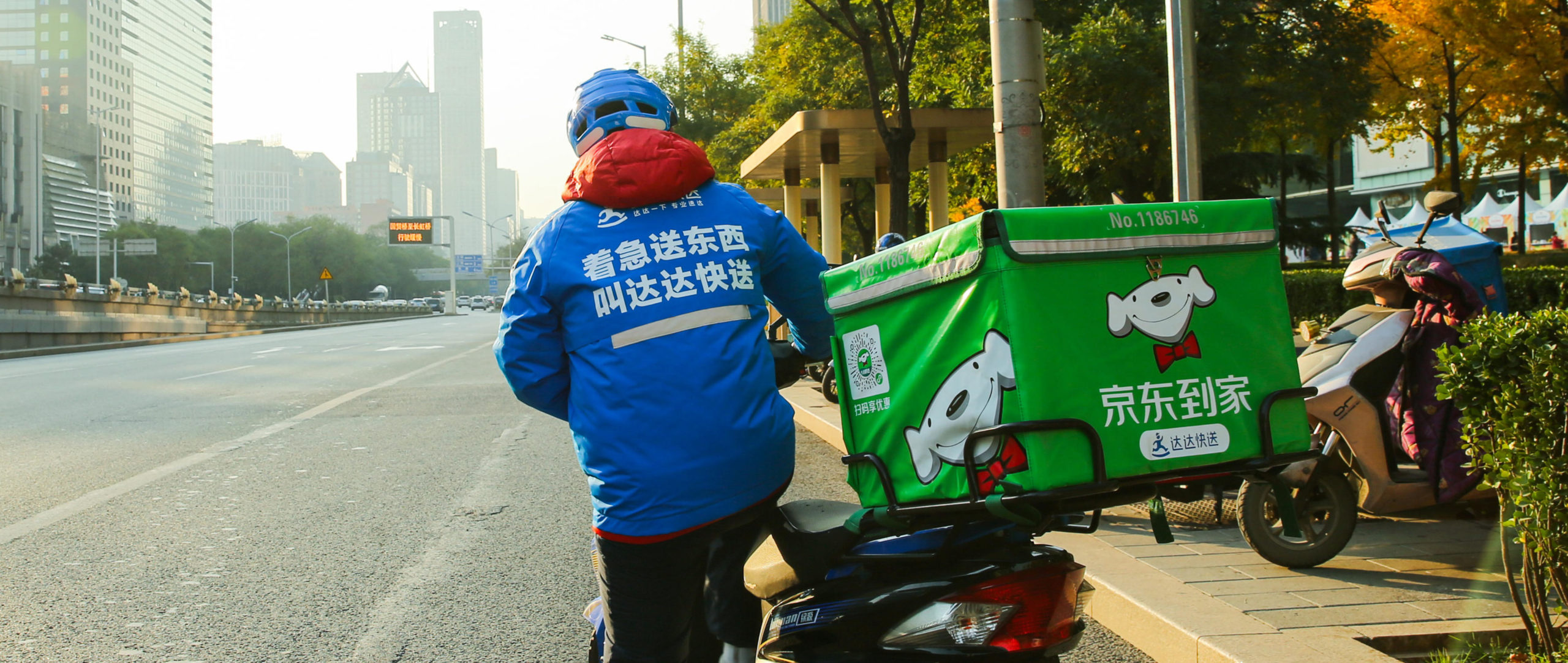
The report includes detailed data on consumer demand trends and market penetration and growth rates based on the billions of orders fulfilled by JDDJ, Dada’s on-demand retail platform, and Dada Now. JDDJ, a partnership between Dada Group and JD.com, is one of China’s largest integrated digital solutions providers bringing traditionally offline retailers, such as supermarkets, flower shops, beauty brands, and other local stores, online. Dada Now is China’s leading local on-demand crowdsourcing delivery platform covering more than 2,700 cities and counties, providing customers with one-hour delivery for groceries, cosmetics, electronics, smartphones, medicines and more.

“The unprecedented growth of China’s on-demand economy in recent years, particularly its accelerated momentum through COVID, is revolutionizing consumer behaviour across China.” said Huijian He, Vice President of Dada Group. “The rise of on-demand, hyperlocal one-hour delivery of goods, has transformed the retail industry and increased consumers’ expectations for a best-in-class shopping experience. With significant consumer demand in first- and second-tier cities, and large and rapidly growing demand in lower-tier cities, retailers, on-demand retail platforms and delivery services are increasingly competing for higher speed, flexibility and convenience across the on-demand economy. With millions of riders across thousands of cities and regions in China, Dada Group is actively working to meet this demand and we are excited to continue our growth as we expand to new geographies and enter new partnerships with stores, retailers and brands.”

Hui Liu, Chief Data Officer at the JD Big Data Research Institute, commented, “We are excited to issue this white paper, which provides our first-hand data-driven observations and insights based on the billions of orders fulfilled each year by JDDJ and Dada Now. We look forward to leveraging this data to continue to drive innovation across our platform as we deliver the speed, flexibility and convenience that consumers are increasingly demanding and realize the numerous growth opportunities in China’s on-demand economy. JD.com and Dada Group are uniquely positioned to benefit from this recent paradigm shift in the commercial and retail landscape in China.”

The white paper’s key findings include:

On-demand consumption is here to stay

The onset of the coronavirus pandemic and stay-at-home mandates drove widespread consumer adoption of technology solutions to facilitate the on-demand delivery for daily household products. While fresh food is, by far, the largest segment of the on-demand delivery, accounting for 70% of daily consumption according to a user survey by JDDJ, other areas such as electronics, beauty products, and clothes have increased dramatically in 2021, with year-on-year growth rates of:

  • Dairy: +120%
  • Personal Hygiene: +114%
  • Snacks: 91%
  • Maternity and Baby care: 90%

Millennials are still the most prevalent consumer group, making up 50% of the on-demand economy, with female consumers born after 1980 as the most dominant consumers, representing 67% of the on-demand market. That said, the market is attracting an increasingly diverse group of consumers, by both age and region. The white paper details how the number of male consumers has jumped by to 33% in 2021, up from 25% in 2018, while the proportion of middle-aged and elderly users (40+ years old) has increased to 28% in two years, up from 22% in 2019.

In addition to the significant expansion in customer demographics, on-demand consumption is rapidly expanding to new markets, including increased penetration into lower-tier cities, particularly in the Midwestern region of China, where the local residents demand one-hour hyperlocal e-commerce delivery. In the fourth quarter of 2020, gross merchandise value (GMV) of JDDJ in lower-tier cities soared 150% year-on-year. In 2020 alone, the proportion of users in lower-tier cities increased by 26%. According to JDDJ’s sales from the 415(April 15) Anniversary Shopping Festival, which covered more than 1,500 cities and counties across China, 90% of merchants that joined JDDJ for over a year saw sales double year-on-year.
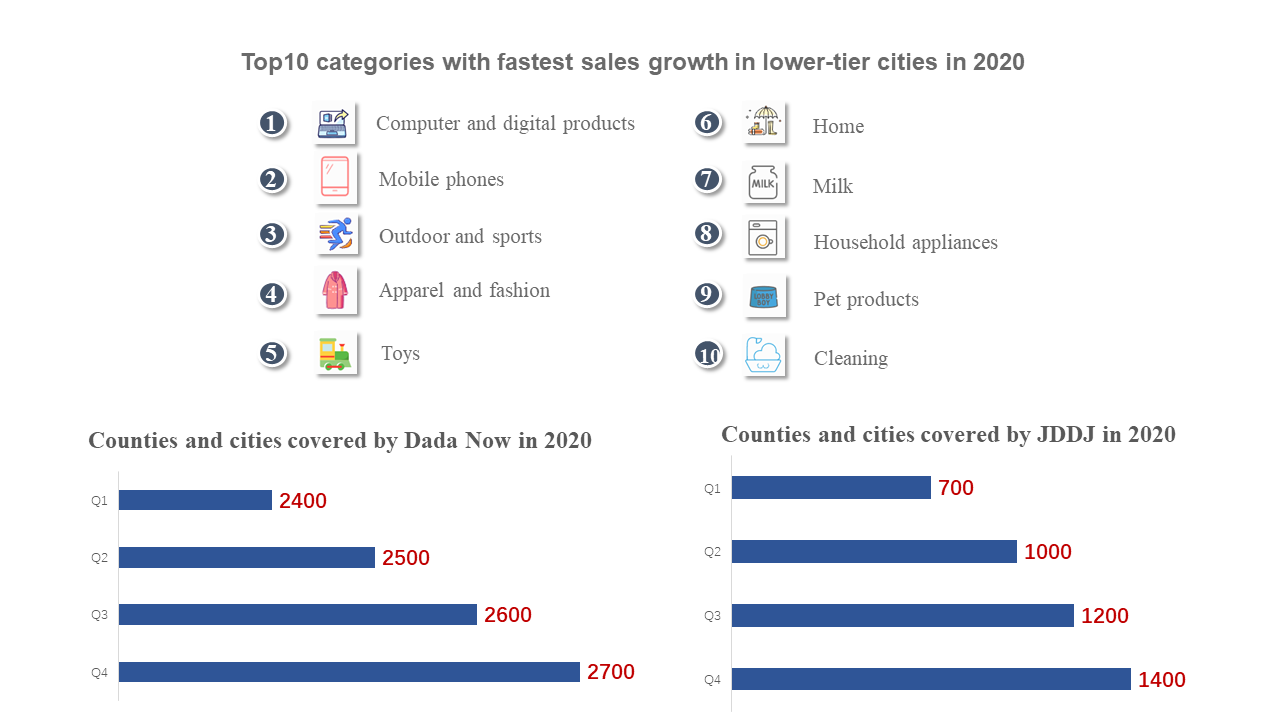
The on-demand market continues to grow exponentially across China. The top three regions in terms of on-demand consumption orders are South, North and Southwest China, accounting for nearly 70% of all orders. Orders in southwest China accounted for nearly 20%, overtaking East China to rank third. Among them, Sichuan is a major province in terms of on-demand consumption, with orders accounting for nearly 10%.

The rise of out-of-home and out-of-hour on-demand spending

Driven by easing lockdowns and an increasing focus on connecting people with a wider array of products, post-pandemic on-demand consumption in China has experienced a shift from households (74%) to workplaces (8%) and educational institutions (3%), which is further extending to recreational venues, including fairgrounds, tourist hotspots and parks.

There is also significant demand for 24/7 on-demand services, and those businesses serving late-night (12 pm – 2 am) customers are reaping the benefits from a new wave of customers who want reliable delivery service outside of traditional business hours.

Omnichannel retailing on the next level

China is leading the way in omnichannel retailing. A new wave of transformational change of omnichannel retailing is underway, fuelled by the integration between traditional e-commerce, offline retailers and on-demand retail platforms to meet the customer demands for a more diversified shopping experience.

In the era of hyperlocal e-commerce, one-hour delivery has become the new normal and it is quickly emerging as a major channel for supermarkets and grocery chains to win business. Leveraging the highly efficient logistics networks of on-demand retail platforms, a growing number of offline retailers and brand owners are cooperating closely with on-demand platforms like JDDJ and Dada Now to establish delivery channels for their customers, while benefiting from their enormous online traffic pool to increase foot traffic in brick-and-mortar stores.

On-demand Services

Service consumption in China is steadily increasing and on-demand retail platforms are partnering with brick-and-mortar stores to offer consumers value-added on-demand services. JDDJ is the first platform in the industry to create a nationwide credible delivery service, providing delivery services for high-value orders. Many on-demand platforms have started bringing mobile phone trade-in services to the customers’ doorstep, saving the time and effort of visiting a retail store.
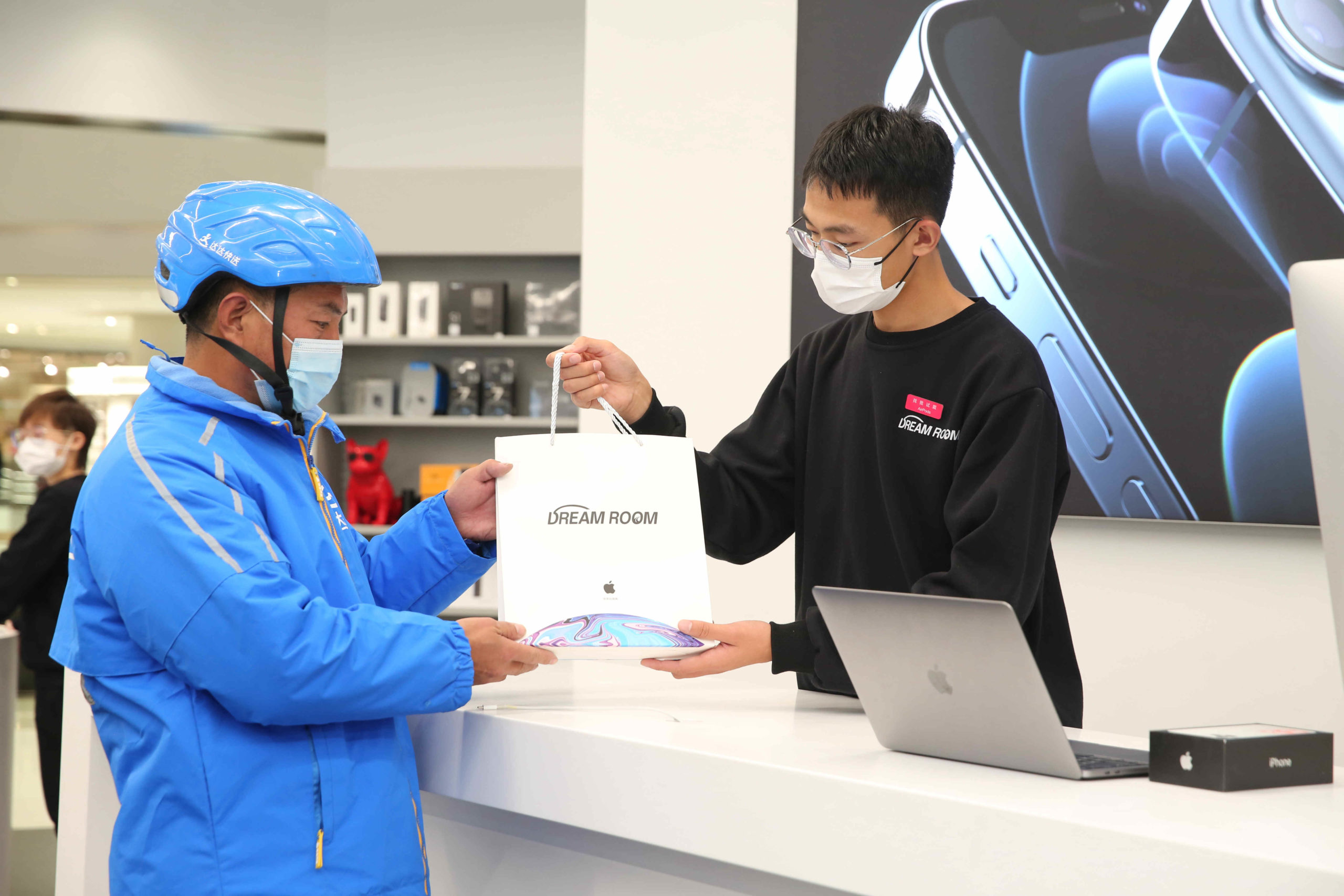
“Minutes-level” delivery is on its way

The digital neighborhood stores will give birth to so-called “minute-level” delivery. This allows users to choose a nearby store to place an order at based on their GPS location, after which the delivery rider will pick up and deliver the goods within the user’s neighborhood. The entire hyperlocal e-commerce process is completed within a few short minutes.

Dada is pioneering one-hour delivery services in China, available to consumers in more than 2,700 cities and counties across the country. With its extensive logistics networks and delivery infrastructure, Dada works in tandem with JDDJ to shorten delivery times. As a result of this joint effort, the average delivery time of on-demand orders has been reduced by 17% compared with 2019, with the fastest deliveries taking less than 10 minutes.


(press@jd.com)

 

Posted in Uncategorised

On Demand Consumption Solely for Home and Office? Think Again.

by Ella Kidron

On-demand consumption in China has experienced a shift from households to work places and educational institutions and more, says a white paper by JD.com and leading local on-demand retail and delivery platform, Dada Group, released on Jun. 10. The move is driven by easing lockdowns and an increased focus on connecting people with a wider array of products.

Order locations from most frequent to least frequent are residential communities (74%), supermarket services (9%), office buildings (8%), schools and training centers (3%), hotels (2%), administrative organizations (1%) and hospitals (1%). Other, which makes up 2% of the total has been found to include fairgrounds, tourist hotspots and other recreational spots.

There is also significant demand for 24/7 on-demand services, and those businesses serving late-night (12 pm – 2 am) customers are reaping the benefits from a new wave of customers who want reliable delivery service outside of traditional business hours, according to the report

Another area of expansion is service consumption, which has been steadily increasing in China. Platforms are partnering with brick and mortar stores to offer consumers value-added on-demand services. For example, mobile phone trade-in services are bringing such a convenience straight to consumers’ doorsteps.

JD was an early mover in omni-channel, and its Omni-channel Fulfillment model which integrates inventory between its first party retail e-commerce business and offline stores has made a significant impact in reducing the number of touchpoints required for products to reach consumers. With the introduction and widespread adoption of on-demand, consumers are able to receive items in as fast as 30 minutes after ordering across a range of categories.


(ella@jd.com)

Posted in Uncategorised

JD.com and Xinhua jointly release JD Electronics Consumption Index

by Ella Kidron

The JD Big Data Research Institute and Xinhua News Agency jointly released an index on demands for electrical appliances and electronic devices on Jun. 9.

The announcement comes as JD.com is in the midst of the nation’s biggest shopping festival, the 618 Grand Promotion (Jun. 1-18). The index is based on the observation that the use of these devices has transitioned from being a means to substitute labor to a means to satisfy additional demands. A lower index score indicates the use of devices to substitute human labor for practical tasks such as steaming food and vacuuming, while a higher index indicates satisfaction of other needs such as entertainment and comfort.

Electronic devices and the extent of their usage are gradually becoming a symbol of people’s happiness in a given area, based on whether they meet basic needs or more luxurious ones. According to the report, the index score for the whole of China is 43.04, revealing that with the continued rise of income and quality of life levels, consumers have higher expectations as they pertain to experiences offered by electronic devices, paying more attention to product quality and being more willing to try and embrace new product categories.

To produce the report, JD selected and calculated the index score for 36 cities in China. This indicates regional differences in terms of consumers’ view on which products satisfy work, production, home, social, entertainment, and other needs. It is easy to assume that in rapidly developing Shenzhen the index score for the first tier city would be high, but that’s not the case. In the fast-paced and competitive [coastal] city, the index is low on the whole, indicating a tendency to use electronics to reduce physical pressure and increase efficiency.

In cities such as Sanya, Hainan province, Nanning, Guangxi Zhuang Autonomous Region, Kunming, Yunnan province, Xining, Qinghai province, and Hohhot, Inner Mongolia Autonomous Region, the index score is comparatively higher, indicating more widespread use of electronics for everyday life and recreation. Unsurprisingly, Sanya, a popular beach vacation destination in China, has the highest score.

Mobile phones are the clear leaders in terms of category of electronics, confirming the consensus that they are no longer a “nice to have” and are now an essential. Cooking-related electrical appliances generally have the same demand across all cities, while emerging products such as air fryers have high scores reflecting consumers’ attention on a healthy and diversified diet.

JD has been working closely with different brands to meet consumers’ precise demands. The Consumer-to-Manufacturer (C2M) initiative is one way in which the company helps brands and other partners better understand what consumers want and how to tailor to these needs.


(ella@jd.com)

Posted in Uncategorised