JD Launches the First 5G Smart Phones for Elders

by Rachel Liu

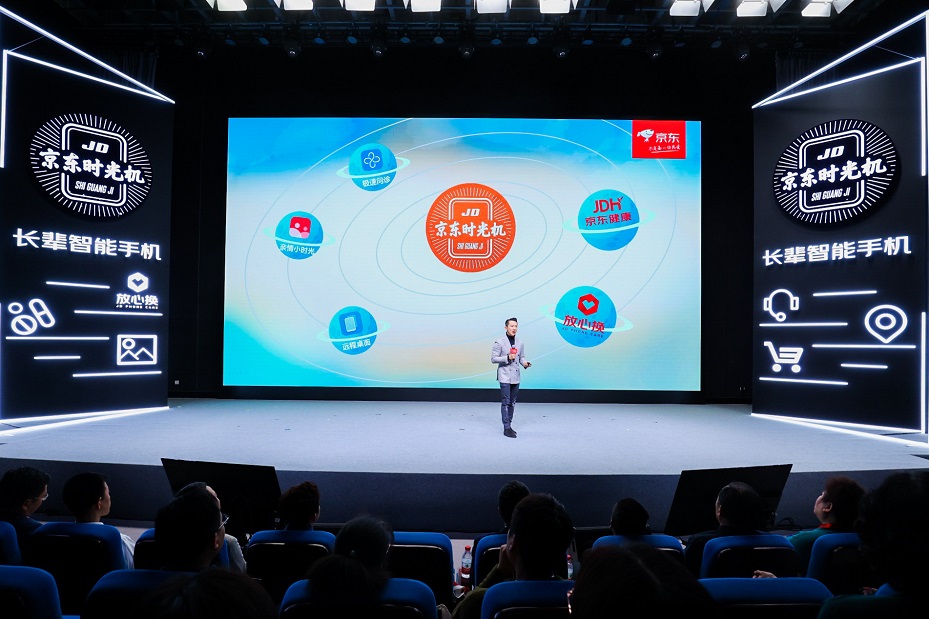
JD worked with several mobile phone brands to launch smart phones for elderly people through its Consumer-to-Manufacturer (C2M) initiative, helping seniors live more conveniently in a society filled with digital technologies. The project was announced at a press conference at JD headquarters in Beijing on December 2nd. Daniel Tan, president of JD Mobile Devices; Lijun Xin, CEO of JD Health and popular Chinese TV personality Jiong He, who is also Chief 5G Experience Officer of JD, attended the event.

The smart technology provides many conveniences for modern society. However, elderly people may encounter difficulties with mobile payment or online shopping, etc. JD identified those difficulties elderly people face related to entertainment, transportation and communication with their children, and worked with mobile phone brands to improve the functions on traditional smart phones.

“As a technology driven company, JD has the responsibility to leverage technology to make customers’ life easier,” said Tan. “The mobile phone that we developed is not just a phone, but a solution for elderly people’s lives, and a great product that customers can give to their parents.”

The 5G smart phone that JD launched with ZTE is equipped with services such as remote assistance, detailed instructions, fast medical consultancy and more. For example, customers can download the app called “family time” developed by JD, and connect to their parents’ smart phones. Then customers can remind their parents remotely to take medicine or share family photos with them. Parents can easily make emergency calls and share their locations with their children.

“We are very glad to work with JD to create a smart lifestyle for elderly people,” said Fei Ni, general manager of terminal business at ZTE.

“We are very glad to work with JD to create a smart lifestyle for elderly people,” said Fei Ni, general manager of terminal business at ZTE. “With JD’s big data on customers’ feedback and the health-related service provided by JD Health, I am proud that we can work together to leverage technology to make our customers’ lives better.”

“JD Health attaches great importance to the wellbeing of senior citizens,” said Lijun Xin, CEO of JD Health. “By working with JD Mobile Devices, we have implemented the health consultation related services of JD Health into the smart phone, hoping to provide more comprehensive services for our customers.”


(liuchang61@jd.com)

JD’s Data Shows Different Warming Consumptions Between Northern and Southern China

by Hui Zhang

JD’s data continues to demonstrate the vitality of the post-COVID economy in China, revealing how consumers from the northern and southern parts of China are keen on different household products to keep warm as the weather is getting colder.

According to JD’s data in November, consumers from northern China bought more heat warmers while those from southern China spent more on innovative heating products, such as electronic towel  racks, which may serve as towel dryer, heater and dehumidifier.

Since consumers in northern China started getting heat from the  public utility system in early November, radiators and wall-mounted furnaces have become best-sellers for local people who want to supplement the in-house heating. Sales of radiators and wall-mounted furnaces on JD increased by over 100% YOY on Nov. 1 alone. Sales of the two categories increased by 77% YOY from Nov. 1 to Nov. 26, with the majority of radiator consumers being women, accounting for 56.29% of the total number. Shandong province, Hebei province and Beijing are among the top three regions in terms of purchase volume.

Compared with the northern part of China, which is dry and warm (indoors) thanks to the public utility system, the southern part is relatively wet and cold, which is difficult for the drying of household necessities and clothes. Traditionally, as a national policy created in early 1950s, public utility system in cities and townships in southern part of China doesn’t provide heating services during the winter, due to the relatively higher temperature comparing with the northern part of China, in order to save energies.

As a result, innovative warming household products, such as electronic towel warming racks, are favored by local people in southern part of China. According to JD’s data in November, electronic towel racks are widely welcomed by consumers in the southern part of China, with married men aged 26-35 particularly keen on buying electric towel racks. Jiangsu, Sichuan, Guangzhou and Shanghai are among the top four regions, accounting for more than 50% of the sales of electronic towel racks.

“This year is expected to be one of the particularly cold years, and a new round of cool air is coming,” said a merchandising manager from JD. “JD has leveraged its big data capability to precisely recommend household warming products to potential consumers.”


(zhanghui36@jd.com)

JD Auto Redefines Automotive Supply Chain at Automechanika Shanghai 2020

by Vivian Yang

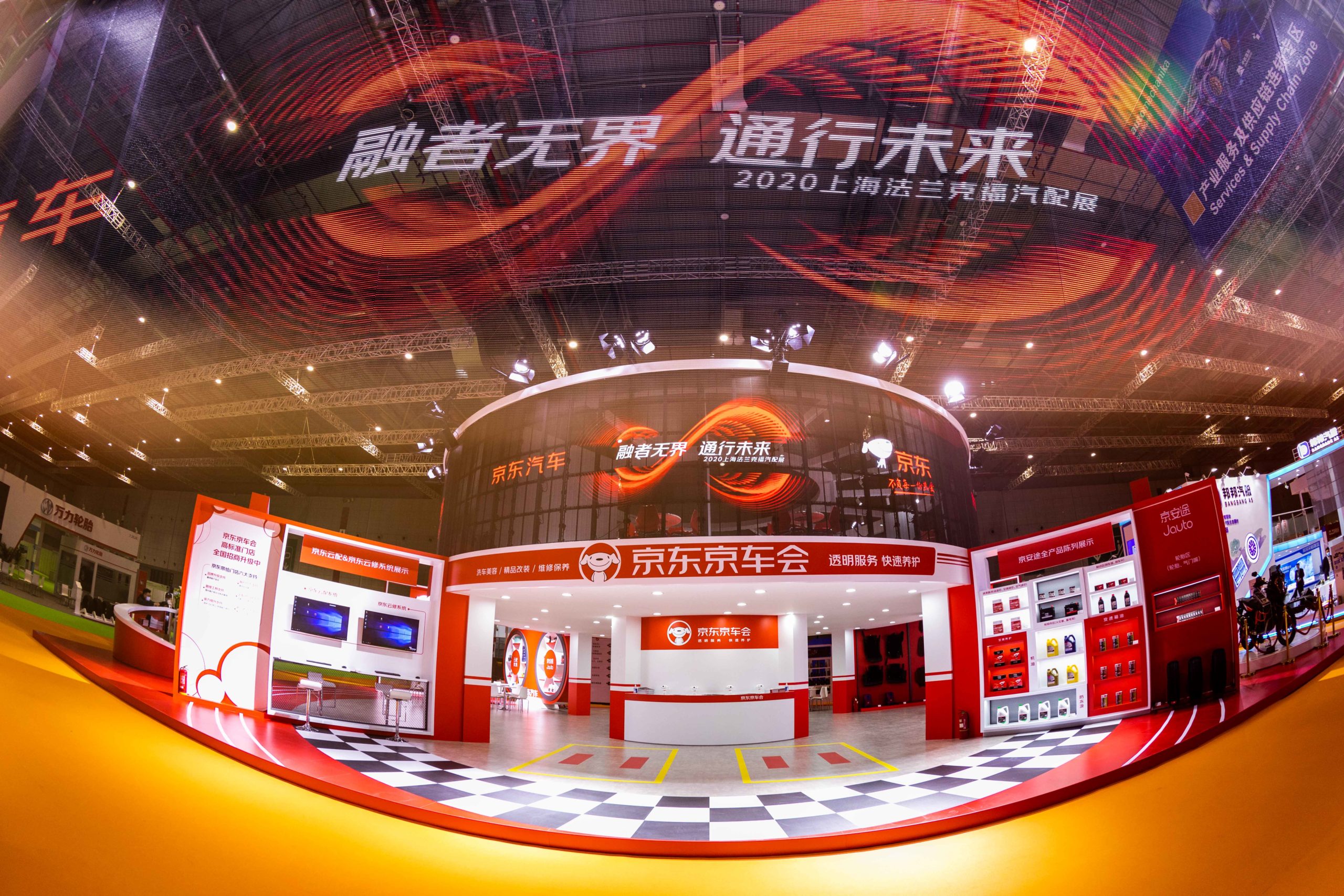
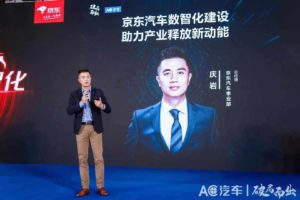
JD Auto showcased its comprehensive portfolio of automotive “products + services” spanning the multiple links of the industrial chain at Automechanika Shanghai 2020 which is held in Shanghai from December 2nd to 5th.

JD Auto on Automechanika Shanghai 2020

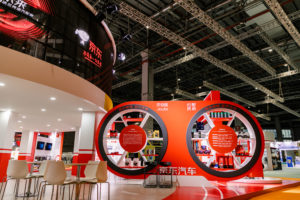
JD Auto on Automechanika Shanghai 2020

Exhibited in the show are a number of products under JD’s self-developed brand Jauto (京安途 literally means JD’s safe trip), including engine oil, batteries, tires and more. On the service end, JD Auto Service, which offers online-to-offline car maintenance services, demonstrated the standardized and professional experiences it offers to car owners, especially in how their experience in brick-and-mortar car maintenance stores can be transformed by JD’s digitalized and intelligent capacities to create fresh new consumption experiences.

JD’s digitalized and intelligent capacities to create fresh new consumption experiences.

JD Auto has expanded its business into many fields of the automotive ecosystem, including sales of cars and motorcycles, parts and accessories, offline maintenance services, supply chain of automotive parts and more.

To date, JD Auto has served over 100 million car owners in China with its products and services. At the same time, its B2B platform, known as JD Cloud Match Alliance, a network to optimize the supply chain of spare auto parts by helping match needs between manufacturers, brands and dealers, collaborated with over 300 auto parts suppliers during this year’s Singles Day Grand Promotion to rapidly provide products to more than 20,000 maintenance stores across the country.

“Comprehensive, open, digitalized and intelligent will be the key features of the future supply chain of the automotive industry,“ said Yan Qing, general manager of JD Auto.

Yan Qing, general manager of JD Auto

Yan Qing, general manager of JD Auto

A good example of a digitalized and intelligent supply chain is JD Auto’s mute tire series which is in the plan to be manufactured next year based on the C2M (Consumer to Manufacture) model by which production is tailored to meet the demand extracted from the real car users’ big data.

“Our own brand Jauto is creating a B2B2C (Business-to-Business-to-Customer) model that is able to directly connect manufacturers, dealers, maintenance stores and customers, so as to form a closed industry loop and provide omnichannel solutions to our customers,” said Qing.

“Over 3,900 exhibitors from the whole industrial chain will participate in this year’s show,” said Qing, “JD will explore new cooperation opportunities during the fair, leveraging our platform value and gaining more brand resources to keep the flywheel effect in our development in the automobile aftermarket.”


(vivian.yang@jd.com)

JD 5STAR Shows Combined Capability of O2O

by Ling Cao

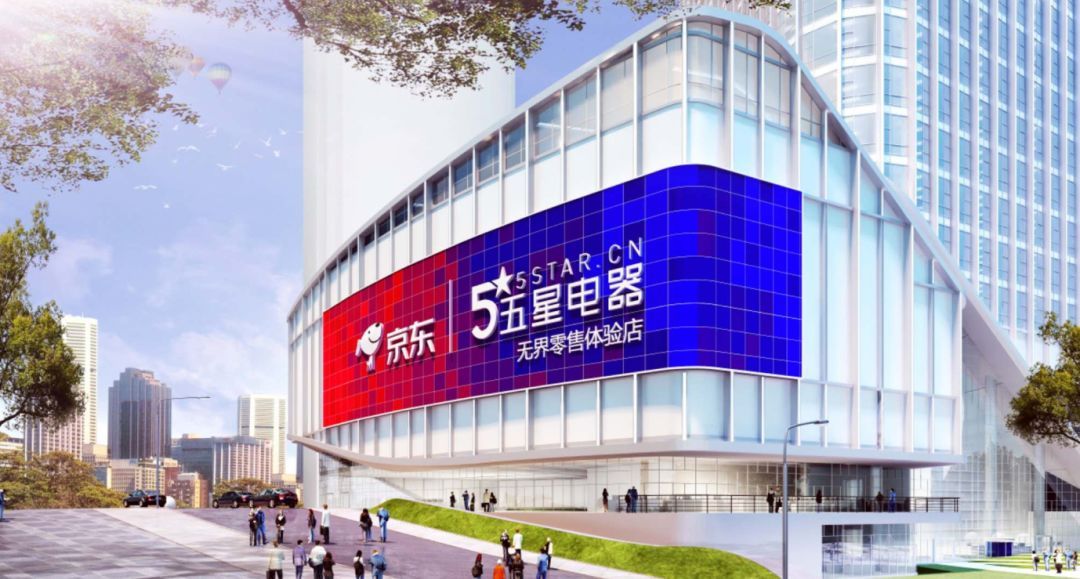
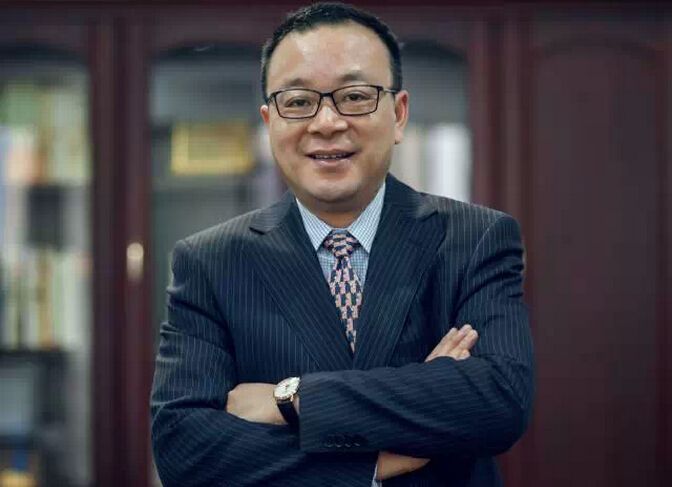
“On the one hand, as one of JD’s businesses, JD 5STAR Group meets the need of penetrating to lower-tier cities. On the other hand, it will improve efficiency as we open home appliance flagship stores across hundreds of cities,” said Yiqing Pan, president of JD 5STAR Group, at the 2020 China National Retail Congress held in Shanghai during November 19 to 21. JD 5STAR Group is a home appliance chain acquired by JD in August.

Yiqing Pan

Pan shared that total sales of the home appliance industry are half online and half offline. In the traditional operation model, many businesses struggle to succeed in a field with fierce competition: The number of offline stores is high, while foot traffic and product selection remain low.

Pan is optimistic. “Our stores will combine JD’s integrated digital retail solutions, with 40% of the products supplied from JD’s massive inventory. These stores will focus heavily on experience, which will show high-tech and premium products from brands.”

JD’s offline flagship home appliance stores will connect a membership system with JD via mini program of WeChat, providing customers with a superior shopping experience.

“One of the stores which covers an area of less than 20,000 square meters can expect to reach annual sales of RMB 200 million yuan, which proves that offline stores are not as hard to operate as many people thought; it’s all about the know-how of efficiency.” Pan said.

Leveraging JD’s online resources, technology, marketing and traffic flow capabilities, Pan believes that JD’s growth will continue in the home appliance industry.

Pan concluded that JD’s business model in this area will go in several directions: More cost-effective products, better experience and services.


(ling.cao@jd.com)

JD Worldwide Saw Sales Surge for Food and Makeup during Black Friday

by Rachel Liu

Black Friday has become a shopping festival of imported products in China. Chinese customers are looking for products from all over the world. On November 27th, sales of JD Worldwide increased 194% YOY. On JD Worldwide’s Super Category Day on November 26th, sales increased 128% YOY.

Makeup and self-care products are very popular among imported products. Sales of imported makeup products increased 4 times YOY. Sales of self-care products increased over 180% YOY. Shiseido, Sulwasoo and Dr. Jart+ are the top three most popular makeup brands. Kao, Shiseido and Ryo are the top three most popular brands in the self-care category. Additionally, sales of imported luxury bags and suitcases increased 93% YOY.

Imported food, maternal & baby products and health supplements are also hugely welcomed by customers. Sales of imported products in the food category increased nearly four times YOY. The top three best-selling brands are infant milk powder brand Maxigenes, Devondale and Nestlé. Sales of health supplements increased 108% YOY, with GNC and Swisse becoming the leading brands in sales.

Apart from making Black Friday a sales carnival, JD Worldwide has also promoted the culture and lifestyle behind the shopping event to Chinese consumers. Pianist Lang Lang and his wife Gina Redlinger, brand ambassadors of JD Worldwide, made a short film specifically for the Black Friday promotion.


“We noticed some interesting trends during this Black Friday promotion,” said Frank Yu, general manager of marketing and operations, JD Worldwide. “Apart from the previously popular imported categories, such as makeup and healthcare, more ‘niche’ categories are becoming popular, such as toys, medical products and pet products. Sales of imported toys increased over 20 times compared with last Black Friday. More customers are shopping through livestreams and interaction games. With the pandemic keeping customers from shopping overseas, cross-border ecommerce platforms have become their preferred choices.”


(liuchang61@jd.com)

JD Health and Universal Medical Imaging to Synergize Capabilities

by Hui Zhang

JD Health and Universal Medical Imaging, one of the leading third-party medical imaging clinics in China, reached an agreement on Nov. 28, with both sides agreeing to explore cooperation in medical imaging examination services and diagnosis.

Leveraging JD’s e-commerce strength and big data advantages, JD will work together with Universal Medical Imaging to develop omnichannel services for Chinese consumers. Consumers can place orders through JD to book medical imaging services online and then go to Universal Medical Imaging’s offline centers to receive profession examinations. JD will help Universal Medical Imaging to precisely target potential consumers based on their shopping behaviors, thus to drive traffic to the brand.

“JD Health is our preferred partner thanks to its internet and big data capability,” said Peiming Ju, founder and president of Universal Medical Imaging.

“We hope to leverage JD Health’s omnichannel layout and marketing capabilities to bring us more consumers and further enhance our brand awareness.”

Universal Medical Imaging, which aims to cover more than 10 major cities across China by end of 2020, has already cooperated with major medical domestic institutions such as United Family Healthcare, Parkway Health, WorldPath Clinic International, SinoUnited Health and others.


(zhanghui36@jd.com)

From Livestream to Intelligent City: JD Takes Steps to Support Jiujiang’s Digital Transformation

by Vivian Yang

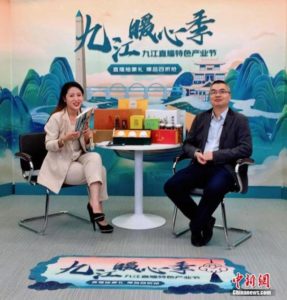
“I’m Rao Guanliang, deputy director of Jiujiang Bureau of Commerce. I’m glad to be with you today in this studio.” In a two-hour livestreaming event on JD Live on November 27th, Rao acted as a salesman for his city Jiujiang of Jiangxi province, interacting tirelessly with over 1.53 million online viewers as he promoted the city’s culture, tourism, food and specialty products.

This show was the eighteenth session of the Jiujiang livestream festival hosted by JD Cloud & AI since October 18th to support the promotion and branding of local agricultural produce. During this year, hundreds of local government officials like Rao have leveraged the “cloud channel” to boost their local economies after the pandemic.

“With professional operation support by JD Cloud & AI, we established a Jiujiang Pavilion on JD.com, which turned to be a very effective sales channel for our local specialties, many of which are poverty-alleviation products, such as our hairy crabs, salted duck eggs, yams, and chrysanthemum,” said Rao.

Lucky draws, flash sales, gift giving… activities came quickly and frequently during the livestream show to keep net users highly engaged on the platform. While the benefit to customers is clear, this format of selling is also beneficial for the products’ brand awareness across the country.

Livestreaming is part of the Jiujiang project of JD Cloud & AI. Established this October, the project plans to create a digital economy industrial park in Jiujiang, providing new infrastructure and technological support to foster local business growth and innovation.

“JD Cloud & AI positions ourselves as the most industry-savvy digital economy service enterprise,” said Peinuan Wang, head of public affairs at JD Cloud & AI,  at JD Discovery 2020, JD’s annual technology summit on November 27th. “We hope to become cities’ partners in building their new infrastructure.”

Jiujiang is located at the intersection of the three major economic development belts of the Yangtze River, Poyang Lake and Beijing-Kowloon Railway. Leveraging livestreaming as the “vanguard” project, JD Cloud & AI’s Jiujiang project aims to provide its technologies to vitalize local enterprises and help local economies’ digital and intelligent transformation.


vivian.yang@jd.com

In-Depth Report: The JD Scientific Model in Supporting China’s Farmers and Agriculture

by Yuchuan Wang

In the five years after JD.com launched its rural e-commerce strategy in 2015, hundreds of millions of Chinese consumers have gotten used to receiving fresh produce the same day they place orders, thanks to JD.com’s nationwide cold chain logistics network.

The outbreak of COVID-19 posed great challenges towards the 600 million farmers across China who had to look to new avenues to sell and transport their produce. Leveraging e-commerce and logistics infrastructure, JD has been able to help sell 300 million items of agricultural products this year (as of October 2020). The company expects to increase the earnings of agricultural merchants on its platform by 50% in three years.

According to JD, transaction volume of agricultural products has surpassed RMB 500 billion yuan in the last five years, making JD.com a major sales channel for nationwide farm produce.


“Farm to Table”- JD Farm Model

Two years ago, JD started to explore the “JD Farm” model to advance traditional agriculture with the help of technology.

Aiming to build a digital and intelligent demonstration base for the production of high quality products, the project requires farms to produce based on a set of scientific standards. With the application of IoT, AI and blockchain technologies, JD Farm’s crops can be traced down to their origin, providing transparency to consumers.

Located in the southwest part of China, “Dai King Rice” is a Yunan province-based rice brand that owns a 1500 mu (~1 km2) farm. Through collaboration with JD Farm, planting, processing, warehousing and sales are all scientific and traceable. The IoT digital agricultural system helps monitor water quality, soil, climate, insect infestation and more. It forecasts natural hazards based on real time data and also suggests the application of fertilizer and pesticides.
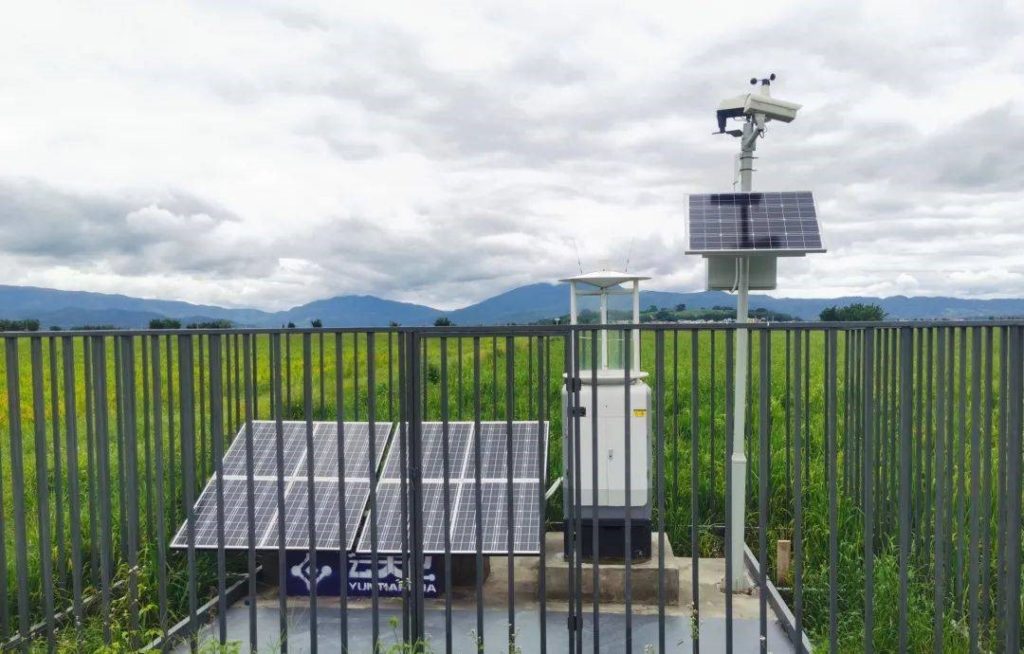
Smart monitor system applied in “Dai King Rice” farm

Smart monitor system applied in “Dai King Rice” farm


Jundaoxiang rice farm in Northeast China, an area known for producing the best quality rice in China, also introduced JD’s digital smart system to manage its farm. With a farming area of nearly 800,000 mu (~530 km2), drone inspection is applied to monitor the growth of weeds and provide advance warnings of insect infestation and disease.
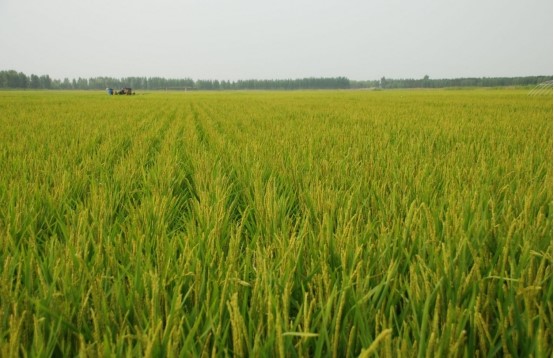
Jundaoxiang farm

Jundaoxiang farm

In Loufan, Shanxi province, JD is helping the local government build a digital map to analyze the growth of key crops and forecast crop yield through satellite and remote sensing multispectral imaging technology by drones. In addition to helping Loufan digitize the agricultural production process, JD is determined to help sell the local products across the nation by opening up its logistics and supply chain technology and operations experience. The company is also promoting local supply chain development through the building of JD’s Loufan logistics center and cloud warehouse solution.

“Due to the long process of the traditional agriculture product supply chain, end consumers do not necessarily get the best price when purchasing agricultural products while growers may not get the best earnings,” said Zhiwei Qiao, head of JD Farm. “The JD Farm model provides an integrated solution from production to supply to sales. Relying on JD.com’s industrial resources, warehousing and distribution network, and technical advantages, we are able to control the quality of agricultural products from their place of origin, and help growers build brand awareness and earn more in the end.”

So far, JD Farm has established over 40 farm projects nationwide.


Sustainable Agricultural Support

Xisheng Li is a farmer in Wuyi, Hebei province. His family used to earn RMB 3,000 yuan (US$456) annually, purely relying on limited farm land to grow crops such as corn and wheat.

In 2016, JD built a free-range chicken farm in the economically disadvantaged county. The project provides free-interest loans to farmers to buy chicks. Once the birds have taken one million steps during the rearing process, calculated by a specially designed pedometer that is equipped to each chicken’s foot, JD will help sell them nationwide.
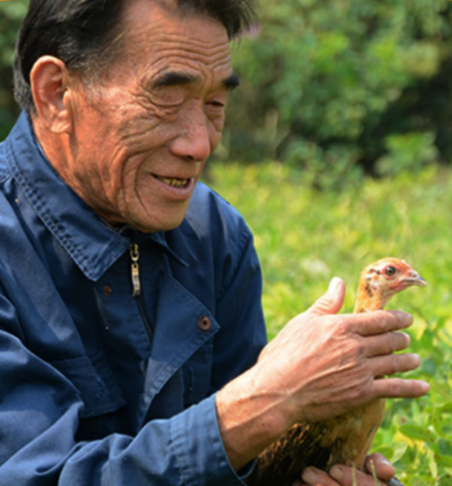
Xisheng Li in JD’s running chicken park

Xisheng Li in JD’s running chicken park

Li was among the first farmers to participate in JD’s “Running Chicken Initiative”. In 2020, Li expects to earn about RMB 20,000 yuan (US$3038) through this project. Till today, the project has benefited 114 villages in the county and helped 1,600 poor families, improving their quality of life and helping to remove Wuyi from China’s national poverty list.
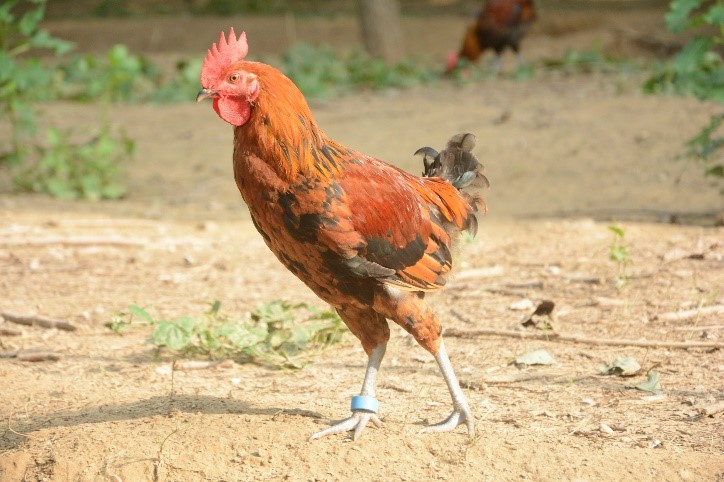
JD running chicken

JD running chicken

In 2019, JD launched the expanded initiative “Running Pig” projects in Benxi, Liaoning province and Qingdao, Shandong province, with a total area of 1,600 mu (~1 km2). The project raises 100,000 pigs annually and has already helped 540 poor families in the areas. JD’s “Flying Pigeon” project in Hebei and Xinjiang has also helped a total of over 3,000 needy families.

“JD’s agriculture support projects provide a training opportunity to local farmers, which enables them to make a living with dignity and sustainably,” said Yishen Tang, head of JD Fresh, JD.com’s online fresh food business.

On June 12th this year, JD announced it will further integrate its technology and service infrastructure with omnichannel resources to support agricultural product sales. Under the plan, JD provides supply chain, logistics, technology and retail services, as well as marketing tools such as livestreaming, flash sales, access to SEVEN FRESH offline supermarkets and more.


Food Safety and Blockchain Technology

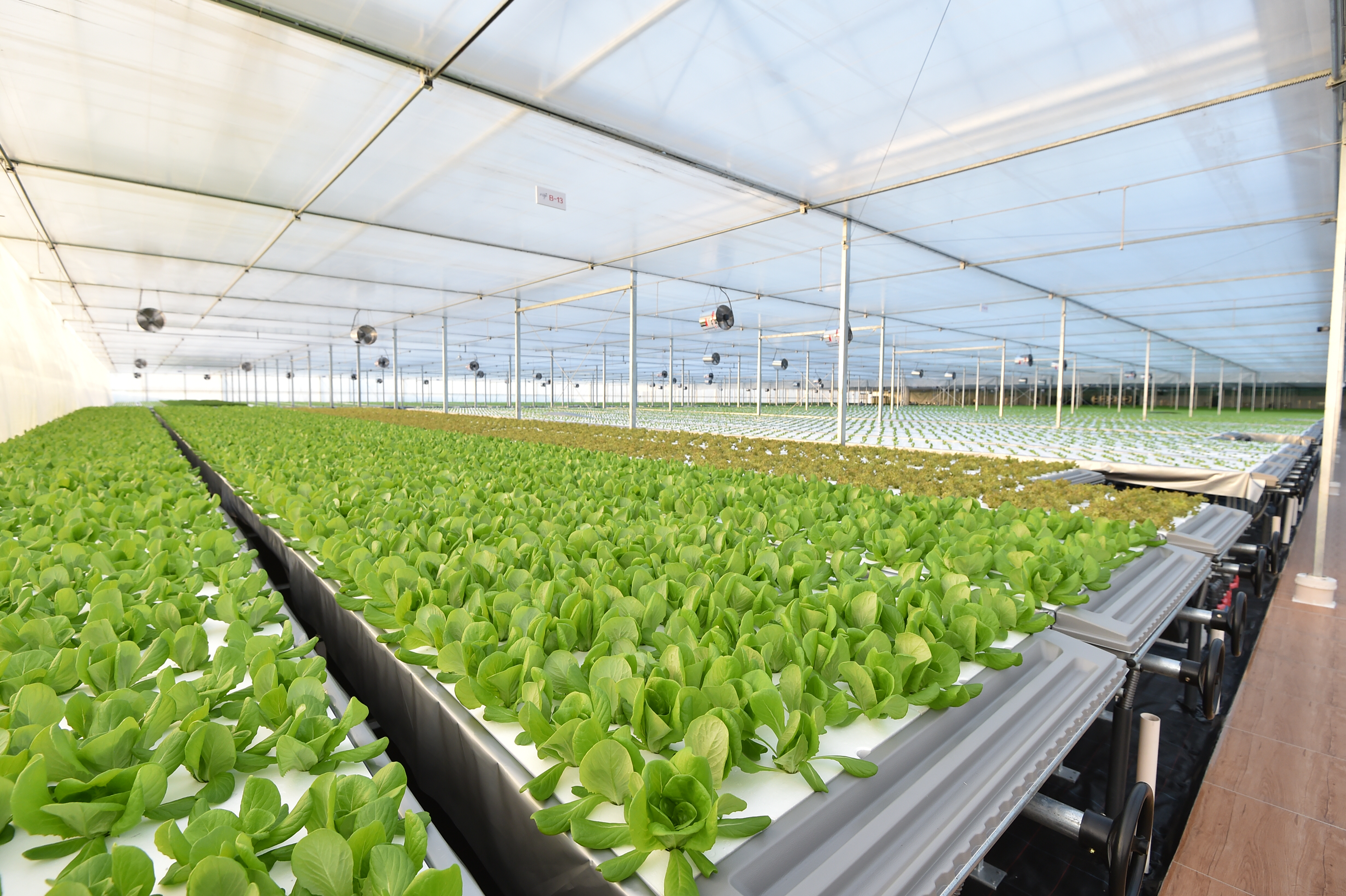
The overuse of fertilizer, environmental deterioration, and rapid population increase have caused soil quality problems. Understanding Chinese consumers’ deep concern for food safety, in December 2018, JD partnered with Japanese chemical manufacturing giant Mitsubishi Chemical and opened a hydroponic “plant factory” in the Tongzhou district of Beijing. Spanning an area of 11,040 square meters, it incorporates a hydroponic culturing system and can produce spinach, cabbage, red and green lettuce, coriander, and more.
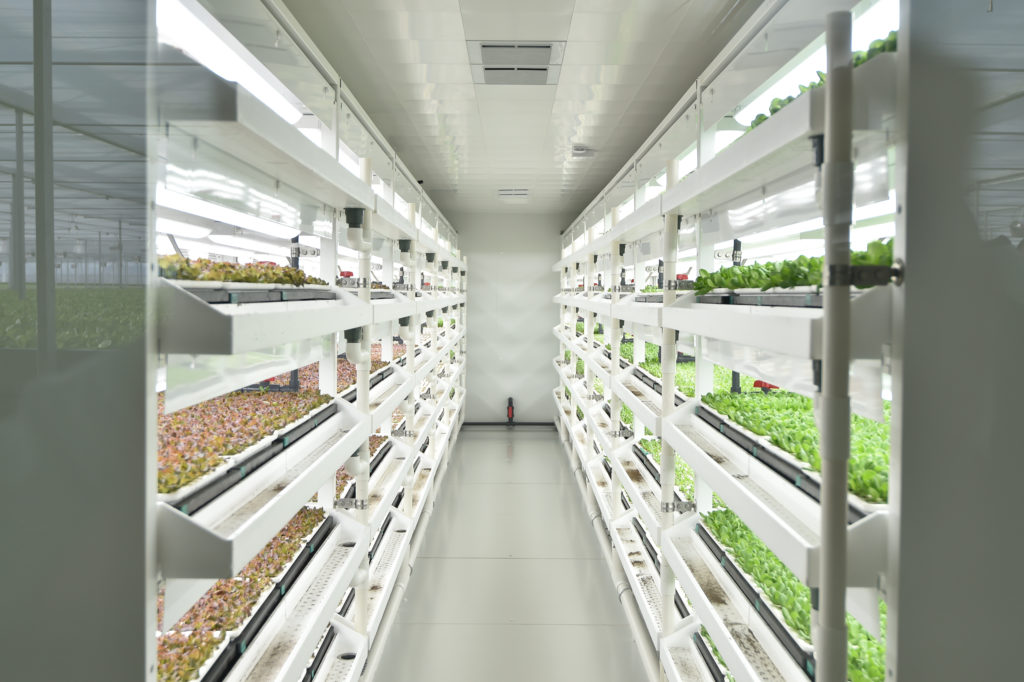
JD Botanical Factory

JD Botanical Factory

Temperature, humidity, light, and liquid fertilizer are automatically controlled by system, enabling more standardized production of high quality vegetables.

All crops produced at JD’s botanical factory can be delivered to consumers’ tables as soon as the same day they are cropped leveraging the company’s cold chain logistics network and e-commerce platform, and also offline stores such as its SEVEN FRESH supermarket.
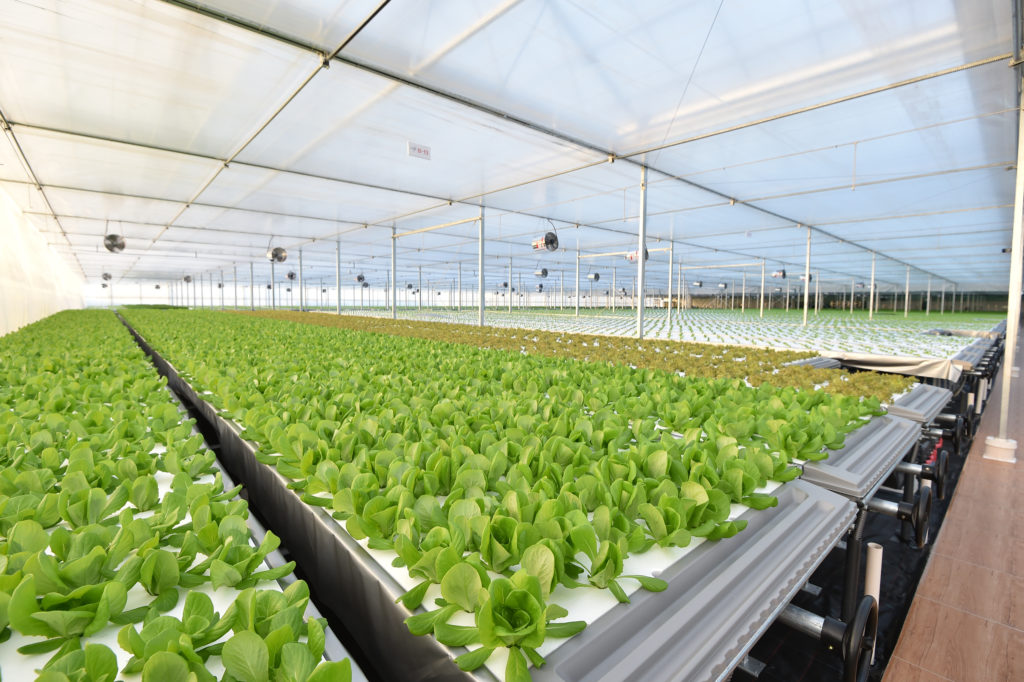
JD Botanical Factory

Another way to ensure food quality is blockchain technology, which is widely used at JD to transparently trace the origin of food. For example, by scanning the QR code on each bag of “Dai King Rice”, consumers have full visibility into the origin, production, logistics information, and more. Since early 2018, JD customers have been able to review details about the rearing process for every JD running chicken they buy.
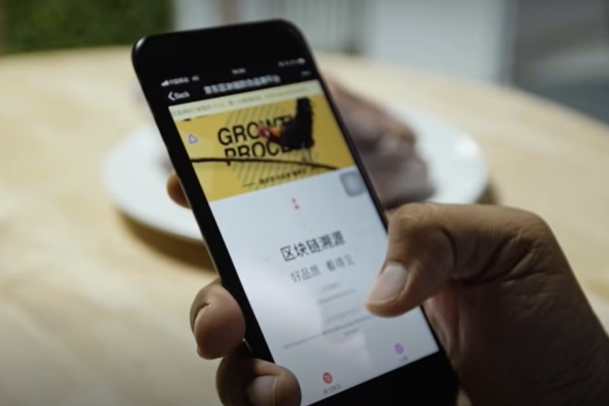
Blockchain traced information of JD’s running chicken

Blockchain traced information of JD’s running chicken

“Information will be collected and traced by blockchain from rearing, feeding and all the way to shipping and delivery,” said Wenjing Liu, a blockchain specialist at JD Digits. “And it can’t be altered without authorization.”


A Better Growth Path

“To better sell local agricultural specialties from their origins is a problem that needs to be tackled from a long term perspective, which requires transformation from two aspects,” said Yishen Tang. “On the one hand, COVID-19 has accelerated the transition from buying offline to online for fresh produce. On the other hand, farmers are gradually becoming more open-minded, shifting from waiting for dealers to buy to actively selling online. These processes also help agricultural products gain extra value.”

As of October 2020, marketplace stores selling agricultural products on JD’s e-commerce platform had increased 2.4 times since 2017. Transaction volume of agricultural products in 2020 on JD is expected to increase 63 times compared with in 2014.

The ability to transport agricultural products is highly dependent on JD’s self-built warehousing and logistics network. Till now, the company operates 50 cold chain warehouses that enable cold chain fulfillment in 300 cities, effectively connecting the farm with consumers’ tables.

In addition, over 100,000 livestreams selling agricultural products have been completed on JD’s platform, attracting over 100 million viewers. E-commerce livestreaming has already helped a large number of farmers, but there are many more who haven’t explored this technology yet. JD holds regular livestreaming training sessions and other trainings to help more farmers, entrepreneurs and local officials get acquainted with the technology. JD had offered over 1,000 such trainings in 28 provinces, municipalities and autonomous regions this year.

With the development of cold chain logistics and related technology, JD’s e-commerce will enable more agricultural products to be sold nationwide and globally.


(yuchuan.wang@jd.com)