JD CENTRAL Launches Super Woman Month in Thailand

by Martin Li

JD CENTRAL, the e-commerce joint venture of JD.com in Thailand, has launched a promotional campaign named Super Woman Month to celebrate Mother’s Day in the country.

Mother’s Day falls on Aug. 12 in Thailand.

The campaign will last from August 1st to 31st and offers discounts on a variety of authentic products including fashion, health & fashion, and household products.

Among the participating brands are Scotch, Konvy, FITFLOP, Eucerin, BSC, Dyson, CASIO, Adidas and LEE.

The campaign includes flash sales starting from eight Thai Baht ( around US$0.26). Each Wednesday night will see a Ladies Night which provides an up to 80% discount on fashion, beauty, and other products.

“JD CENTRAL has shifted its marketing strategy this time using celebrity to boost campaign voice. We selected ‘May Fuengarom’ to represent as a modern mom and woman who chooses online shopping on a trustworthy platform to help with her. This campaign will offer a lot of special deals for women all month long,” said K. Rvisra Chirathivat, CMO of JD CENTRAL.

‘May Fuengarom’ is a Thai celebrity with her own Youtube Channel, Mayu Family, showing her kids and their lifestyle. She also hosted a clip on her channel promoting the behind the scenes participation with JD CENTRAL to help promote the campaign.

JD CENTRAL went into operation less than two years ago and is the first online shopping platform in Thailand committed to providing 100% authentic products.


(bjlihao3@jd.com)

Targeted Marketing Campaigns Help Dettol Increase Sales on JD

by Rachel Liu

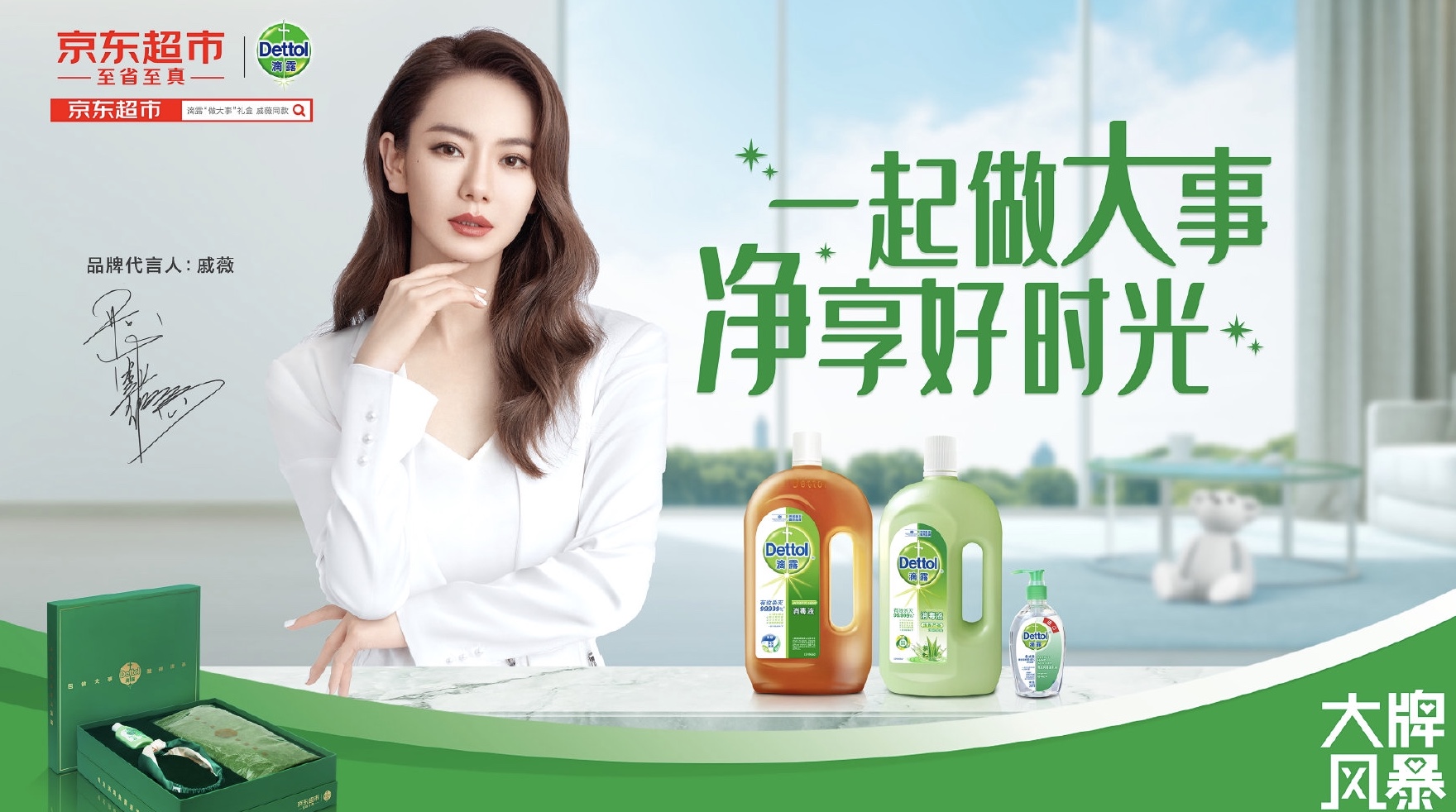
With the help of JD Super, JD’s online supermarket, Dettol held a series of targeted marketing campaigns on JD on July 30th, and achieved a sales increase of 785% comparing with daily average sales of July in 2019.

Since the outbreak of the epidemic, customers have been putting more importance on disinfectants, and related products have been seeing great sales. During the event, new members of the brand increased 5 times comparing with the daily average increase in the last 30 days. The height of the disinfectant liquids sold in the promotion stacked together is equivalent to 33 Mount Qomolangmas. JD’s customer insights played a significant role in the planning of the campaign, which is targeted to mothers, as they prioritize the health of family members.

JD and Dettol made a series of short videos of family scenes to highlight the importance of disinfectant, and a gift box with an environmental friendly tote bag for mothers to use. A popular actress and a mother herself, Wei Qi, joined the livestream for Dettol on the promotion day, to share her experience of using disinfectant. The joint marketing campaign between brands and e-commerce platforms have proven to be highly effective.


(liuchang61@jd.com)

Hurun: JD Health Valued at US$7 Billion and is the Youngest Unicorn

by Vivian Yang

JD Health, the healthcare services company spun off from JD.com in May 2019, has become the youngest unicorn on the Hurun Global Unicorn Index 2020 released on August 4th.

The Index is a ranking of the world’s start-ups founded in the 2000s, worth at least a billion US dollars and not yet listed on a public exchange. According to Hurun’s press release, the average age of companies on the Hurun Global Unicorn Index 2020 is nine years, of which 33 are less than three years old. At 15 months old with a US$7 billion valuation, JD Health is the youngest unicorn on the list.

In December 2019, CrunchBase ranked JD Health as the most valuable among 22 new unicorns that emerged in China and No.2 worldwide, following Uber.

As recently mentioned by JD Health’s CEO Lijun Xin, JD Health’s current business focuses on four areas: pharma e-commerce, telemedicine, health services and intelligent healthcare solutions.


(vivian.yang@jd.com)

Continental Tires Saw Sales Boost on JD’s Super Brand Day

by Rachel Liu

German tire manufacturing company Continental tire held a Super Brand Day on JD on July 28th. Sales of the brand on the day were 35 times its average daily sales over the last 30 days.

The Super Brand Day program is a special campaign designed for brands to significantly raise brand awareness, and increase sales in China. Continental tire has launched a series of promotions for consumers including coupons, buy four get one free, and limited crossover gift boxes with Bose smart glasses. JD also held a livestream for Continental tire on the day to increase brand recognition among customers. The livestream received over 880,000 views and over 600,000 likes.

Liu Jun says, “Livestreaming can not only help boost sales, it also enables us to hear and interact with our customers in real time directly. It is a process of building brand awareness.”

Continental is the world’s third largest tire manufacturing company, and the largest automotive parts supplier in Europe. JD and Continental Tier formed a strategic partnership on 2017, and in that year, sales of the brand increased 150% y-o-y from April to December. JD has successfully helped Continental tire to break into the Chinese market. In 2019, the brand was awarded as the “2019 JD Retail Fastest Growing Brand”.

Apart from marketing events, JD also provided support on C2M, bid data and supply chain to better promote the development of Continental tire in the Chinese market.


(liuchang61@jd.com)

JD Convenience Store Now Opens Franchising Model in Four Cities in China

by Yuchuan Wang

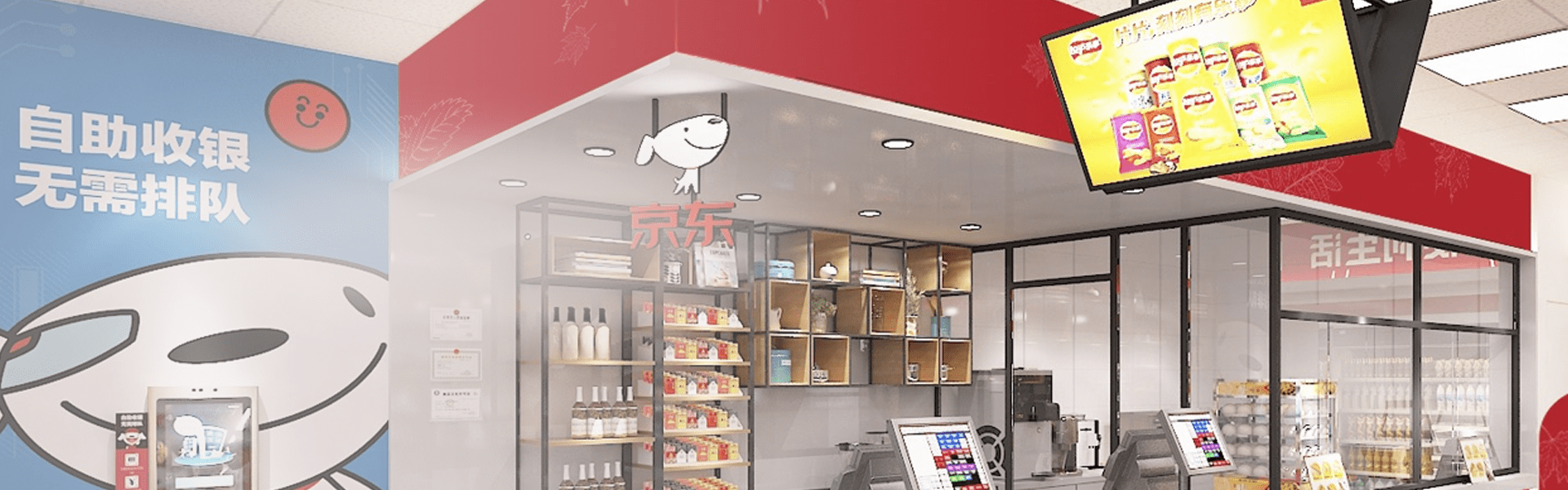
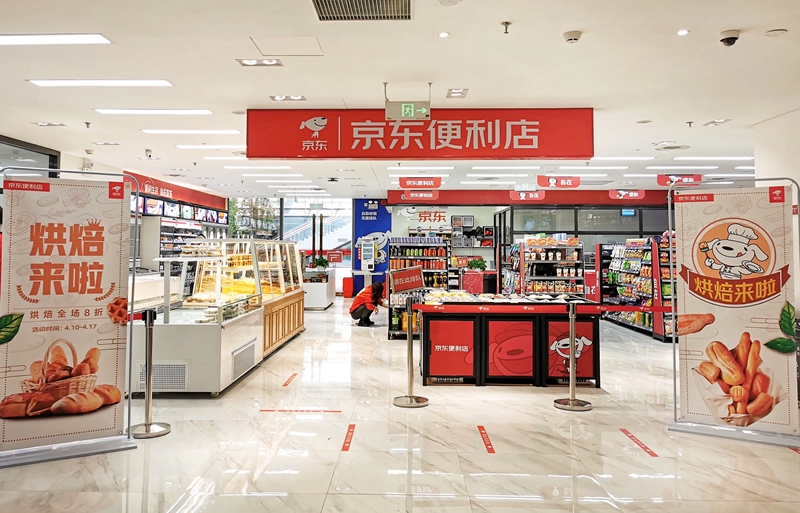
JD Convenience Store is now open for franchising in Beijing, Shanghai, Chengdu and Jinan. In the future, JD will franchise its JD Convenience Store brand in more cities across China to empower traditional mom-and-pop stores and bring more quality products and services to consumers.

The franchise model requires unified design of stores that are 80-150 square meters, and a commitment to zero counterfeits. The franchised stores use JD’s cashier system and adhere to JD’s service standards.

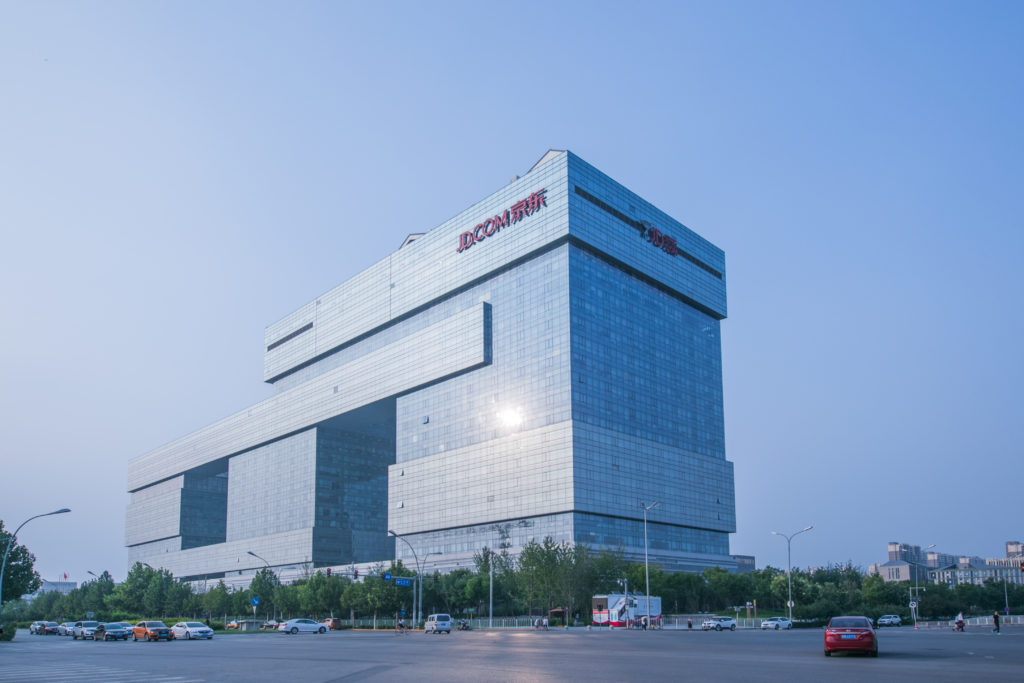
JD Convenience Store is now open for franchising in Beijing

In addition, JD will provide a series of professional services to the stores to help them lower cost and grow profits, services including smart location selection, operations planning and optimization, marketing and more.

JD Convenience Store is the offline innovative store brand under JD New Markets. It provides a one-stop solution to shop owners covering goods supply, branding, operations model and management.

As of now, JD Convenience Store branches have been opened in airports, railway stations, scenic areas, university campuses and highway service areas. In April, JD Convenience Store introduced its first in-store bakery in Beijing.


(yuchuan.wang@jd.com)

JD and Global Brands Bring Beer Festival to Consumers

by Ella Kidron

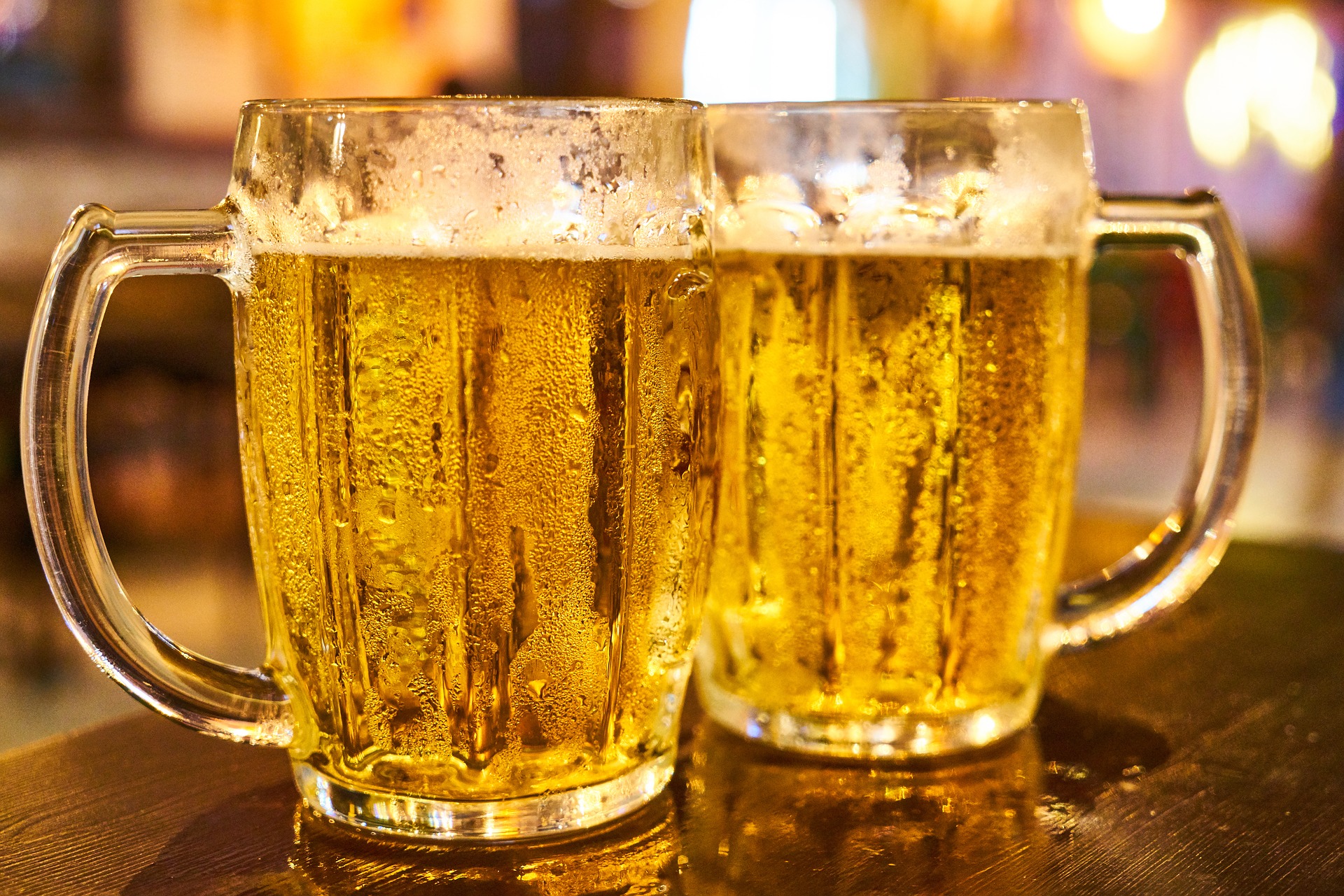
On August 5th, JD Super, JD’s online supermarket, hosted a Super Category Day promotion for the beer category. The promotion comes as the company is in the midst of the month-long JD Beer Festival, held from July 13th to August 13th. The event involves brands from around the world, and in addition to being a sales festival, also serves as a way to entertain and educate consumers on beer culture.

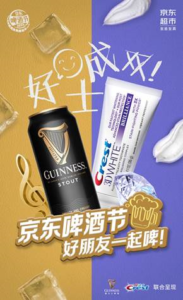
Brands such as Budweiser, Tsingtao and more are participating to make the event a success. Some brands are even doing co-branding with JD. In addition, JD is hosting cross category promotions, expanding the event beyond beer, combining Guinness promotions with Crest toothpaste, for example.

Guiness and Crest cross-category promotion on JD Super

Guiness and Crest cross-category promotion on JD Super

This year the event becomes omnichannel with the help of JD 7FRESH and JD Liquor World. JD 7FRESH are offering in-store promotions, while JD Liquor World franchise stores are enabling delivery of cold beer to consumers in 29 minutes in selected regions. Additionally, this year, JD’s Beer Festival has its own designated icon and slogan, solidifying its position as a key event for JD Super’s beer category. The company has placed ads both online and offline to promote the event.

In order to further educate Chinese consumers on beer culture, JD has worked with several breweries in Germany, the origin of beer, to release a video which explores the different breweries and explains how beer is produced (with subtitles in Chinese to convenience local consumers). The video will be released on Kuaishou, Douyin and iQiyi and will link back to the stores of major brands participating.

JD’s Beer Festival provides an example of how brands can reach consumers online and tell their stories through a large platform like JD. JD’s immense marketing resources and reputation among consumers is key to making the event a success.


(ella@jd.com)

JD Ranks No.1 for Internet Sales in China

by Rachel Liu

According to the 2020 China Internet Sales Top 100 List jointly released by China Chain Store & Franchise Association (CCFA) and Deloitte, JD ranks No.1 with RMB 510.734 billion yuan internet sales.

Suning ranks No.2 with RMB 158.44 billion yuan and VIP.com No.3 with RMB 88.72billion yuan. Also included in the top 10 are Midea, Huitongda, Xiaomi, Gome, Haier Smart Home, Hema and P&G. Tmall ranks No.12.

In addition to mainly considering the internet sales of the 2019 financial year, it also references data from a CCFA questionnaire, and public information released by the companies, including earnings reports for listed companies, press releases, industry research and more.

(liuchang61@jd.com)

JD Big Data Panorama: Chinese Brand Consumption Soars under COVID-19

by Ella Kidron

The 2020 Chinese Brand Development Report released by JD Big Data Research Institute and the Communication University of China (CUC) and other research organizations, as well as media groups such as Outlook Weekly, China Comment, and Credit100.com, looks at the key growth drivers and trends emerging in the consumption of domestic Chinese goods. The report, which is based on JD’s data, explores not only how domestic brands have performed, but also how social e-commerce and the consumption of services continues to drive reliance on domestic brands.

It is no secret that international brands are a bright spot for JD.com. As a platform that emphasizes high quality and authenticity, imported brands are well-loved by the e-commerce giant’s over 380 million consumers, as was demonstrated during this year’s 618 Grand Promotion.

While international brands remain a huge growth driver, domestic brands, which have proven their worth and reliability under the pressure of COVID-19, continue to gain the trust of JD’s high quality consumption base across China.


80% of brands on JD realizing over RMB 100 million yuan in H1 are Chinese brands

According to the data, in the first half of 2020, 80% of the brands on JD realizing over RMB 100 million yuan in sales were Chinese brands. Chinese brands also accounted for nearly 90% of brands whose sales have increased by more than 50%. On the whole, the improvement and growth rate of Chinese brands is clear.


Growth of Chinese brands faster than that of imported brands

In 2019, the year-on-year growth rate of the number of Chinese brand goods, the number of orders placed and the order volume was more than 20% higher than that of imported brands. Under the influence of COVID-19, in the first quarter of 2020, this number reached more than 30%. Looking at the growth rate of the transaction volume of Chinese brands vs. imported brands, the growth rate of the proportion of Chinese brands in categories such as maternal and child, sports, and personal care has been high. This demonstrates that consumption of Chinese brands in categories where trust is of particular importance continues to rise.
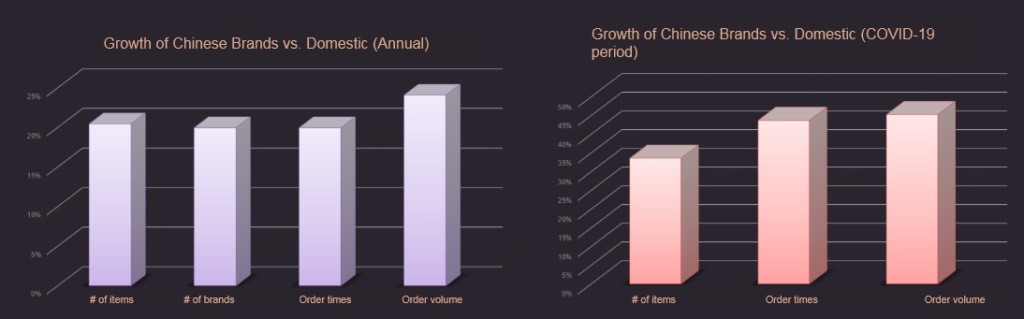
Growth of Chinese brands faster than that of imported brands


Chinese brands gain more consumers’ trust under COVID-19

In terms of the particular characteristics of consumption of domestic brands under COVID-19, the data reveals that for the first quarter of 2020, transaction volume of Chinese computers and office supplies grew 109% YOY, among which computers grew 194%. Chinese brand computer and office category notebooks, printers and other supplies accounted for the large increase in proportion as compared with 2019, among which the transaction volume growth of notebooks exceeded 30%.

Domestic fresh food products played an essential role in ensuring supply in the pandemic, transitioning from a complementary to comprehensive role. In the first quarter of 2020, transaction volume of domestic fresh food increased by 156% compared with the same period last year, among which transaction volume of meat (pork, beef and mutton), vegetables, poultry and eggs increased by 655%, 183% and 166% respectively YOY. Compared with the first quarter of 2019, domestic fresh food categories with the highest increases included pork, beef and mutton, prepared dishes, and instant food, among which the growth of transaction volume of pork, beef and mutton exceeded 20%, outpacing fresh produce and seafood, and leaping to the top of the fresh category.

Chinese brand health and protection products have also seen a rise. In the first quarter of 2020, transaction volume of domestic masks increased 10 times year-on-year, while transaction volume of homecare, masks and blood glucose meters increased significantly compared with the first quarter of 2019, becoming the top three health-related categories. The increase makes sense given the limited mobility of people during COVID-19 and the inconvenience of hospital visits, leading them to rely more on homecare and remote assistance.


The “acquaintance effect” in social shopping channels

The public health emergency of COVID-19 has brought new opportunities for development thanks to social e-commerce. The “acquaintance effect”, high popularity of daily necessities are among the main characteristics of social channel consumption. The data shows that, affected by the epidemic, consumers have increased their dependence on trusted relationships among acquaintances, thus directly promoting social e-commerce consumption based on personal relationships. Social e-commerce orders increased by more than 60% in the first quarter of 2020 compared with the same period last year. At the same time, the number of social e-commerce orders from the northern regions of the country, which are more sensitive to the acquaintance effect, increased significantly compared with the same period last year.
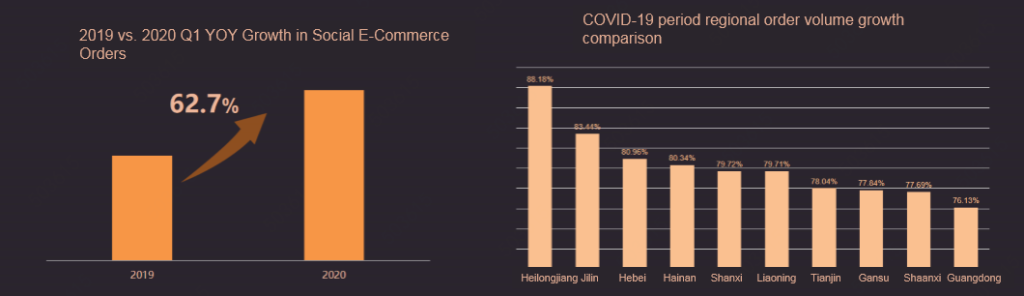
The “acquaintance effect” in social shopping channels

Social channels provide users with “more approachable consumption”, boosting the consumption potential of low- and medium-priced goods. Under the influence of COVID-19, small- and medium-sized domestic brands rely on cost-to-performance advantages to expand their user bases, and the new user effect for these brands is demonstrably higher than that of their imported brand counterparts. Compared with the same period in previous years, orders of fresh food, household cleaning and paper products, kitchen utensils and other products increased significantly. In terms of user group portraits, social e-commerce participaiton of village and town residents, enterprise employees and other groups is relatively high, thanks to the emphasis of these groups on performance-to-price ratio as well as the strong interpersonal relationships in the social environment. Social e-commerce is based on emotional trust, and this sense of trust can be very effective for brand building.


Online consumption of domestic goods expands from “things” to “services”

The increasing maturation of online-to-offline (O2O) models is leading to the rapid growth of the scale of service-oriented consumption of Chinese brands. According to the report, in 2019, the overall scale of service-oriented consumption of domestic brands more than tripled, compared with the same period the previous year, satisfying consumers’ diversified service needs. Among services, the auto-aftermarket is setting the pace, with vehicle maintenance and repair, ETC (the leading automated toll payment provider in China), car decor, washing and other services in consumers’ good graces. Renovation and installation services have become a highlight of online consumption. As consumers pay more attention to home quality, interior decoration has increased significantly, as high as 20-50 times. In addition, during the COVID-19 period, overall sales of “agency services” increased fivefold compared with the same period in 2019. There is a clear indication that online services will continue to prosper and become a new driving force for economic growth.


Lower-tier city penetration remains key focus

Lower-tier city penetration remains the most important growth point for domestic goods. According to the report, from 2019 to the first quarter of 2020, e-commerce channels continued to help Chinese brands penetrate the lower-tier markets. In the 5th and 6th tier cities, Chinese brands accounted for a higher proportion of consumption. Transaction volume of Chinese brands in the lower-tier markets also increased more than that of the same period last year. Domestic brand consumption in the first-tier markets is also strong, indicating that more users with high consumption power have significantly increased their awareness and trust of domestic products.

(ella@jd.com)