Eight Consumption Trends of Staple Foods in China

by Vivian Yang

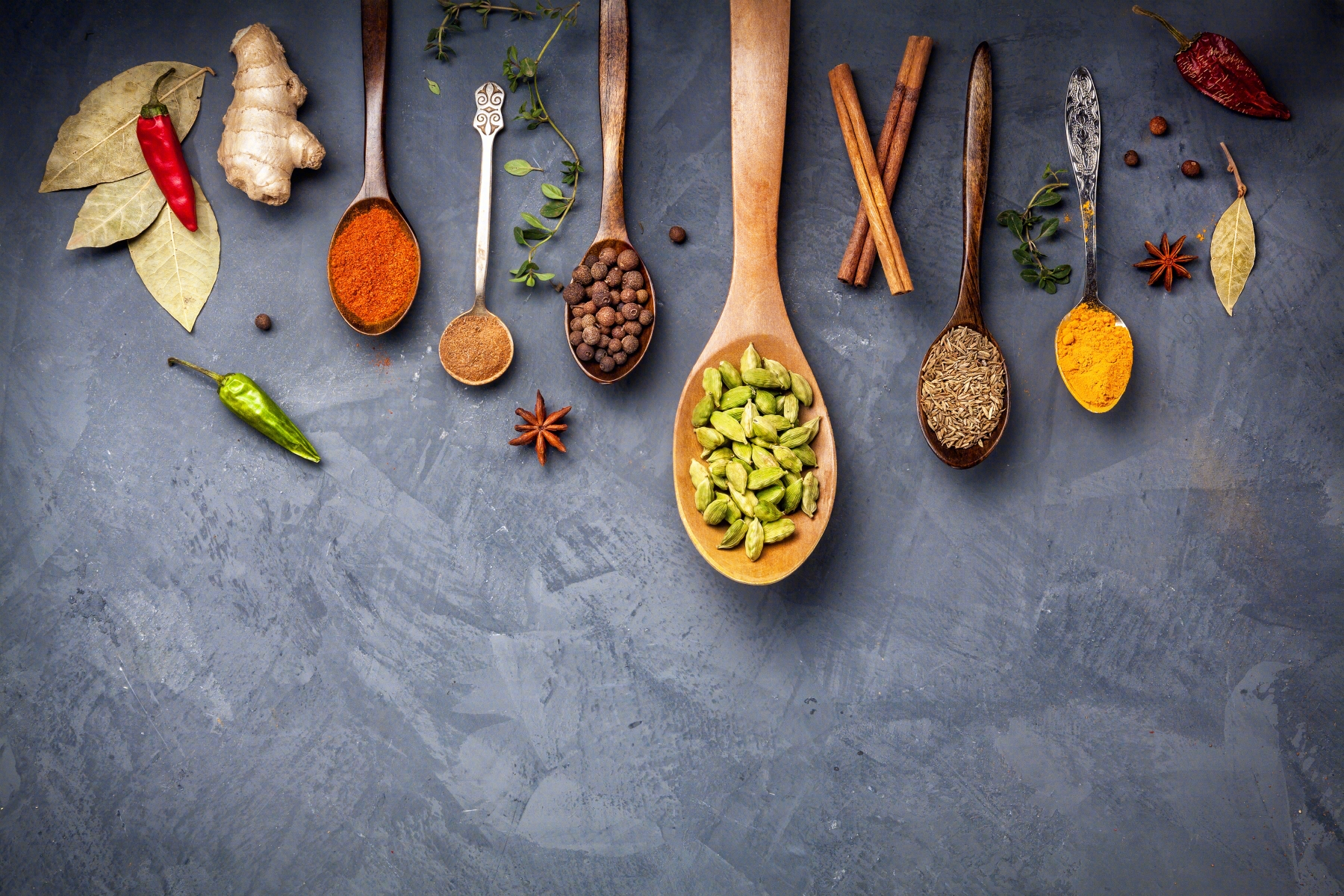
In the past three years, JD’s omni-channel supermarket JD Super has seen robust sales growth of staple foods including the categories of rice, flour, and other grains by 52%, cooking oil by 29%, dry food by 65%, and condiments by 49% (CAGR 2019-2021), according to a report released by JD Super on April 8th in conjunction with its annual promotion of staple foods that will last from April 8 to 21.

The report, based on JD Super’s shopping data from 2019 to 2021, identified Chinese consumers’ eight consumption trends of these product categories as the following:

  1. Sales of staple foods with low fat, low sugar and of grain variety increased significantly on JD Super in 2021, with corn, brown rice, low/zero fat sauce and zero-calorie sweetener growing by 184%, 120%, 92%, and 85% respectively year on year.
  2. Organic foods rise in popularity. The volume of certified organic products on JD Super increased 110% and sales grew by 78% YoY in 2021.
  3. Agricultural products with the national geographical indication(GI) are favored by Chinese consumers. For example, Wuchang rice, Ningxia wolfberries, Gutian mushrooms, and Shanxi aged vinegar have seen sales growth by 105%, 78%, 60%, and 56% year on year.
  4. New instant food categories such as dried mushrooms soup packs, freeze-dried white fungus, wolfberry syrup, and vacuum-sealed fresh corns are becoming trendy. Sales of dried mushrooms soup packs surged by 18 times in the past year.
  5. New types of cooking oil are gaining traction. Avocado oil grew at a GAGR rate of 302%, making it the fastest-growing oil product on JD Super; safflower seed oil increased by 70%, and rice oil by 61% year on year.
  6. In terms of consumption trends geographically, people from China’s Guangdong, Jiangsu, and Liaoning provinces consumed the most cooking oil in the year 2021, with Liaoning being the fastest-growing province in spending on this category. Additionally, Guangdong, Beijing, and Jiangsu are the top three provincial-level regions that showed the highest demand of staple foods.
  7. There’s the great market potential for these categories in the lower-tier cities (third to fifth-tier cities) in China as the report data revealed strong demand momentum in both staple foods and condiments in these areas.
  8. Household users are the main spenders on staple foods, for those living in cities and in smaller towns, their consumption of staple foods accounts for 22% and 19% respectively of their overall yearly expenditures. It is also noteworthy that the percentage of consumers over the age of 46 in the category has grown to 12%, indicating that online shopping has become a main channel for them to buy daily necessities.

Thanks to the quality and healthy product varieties that JD Super consistently offers to Chinese consumers, it has become China’s leading omni-channel supermarket and the go-to place for more and more people to buy staple foods and other groceries. According to Nuo Xiao, general manager of the department of staple foods, oil and condiments of JD Super, the company plays an active role in stabilizing China’s food market and acts as an effective promoter and incubator for brands and products.

 

(vivian.yang@jd.com)

Posted in Uncategorised

JD.com Sent 100+ Robots to Shanghai for Last-Mile Delivery

by Yuchuan Wang

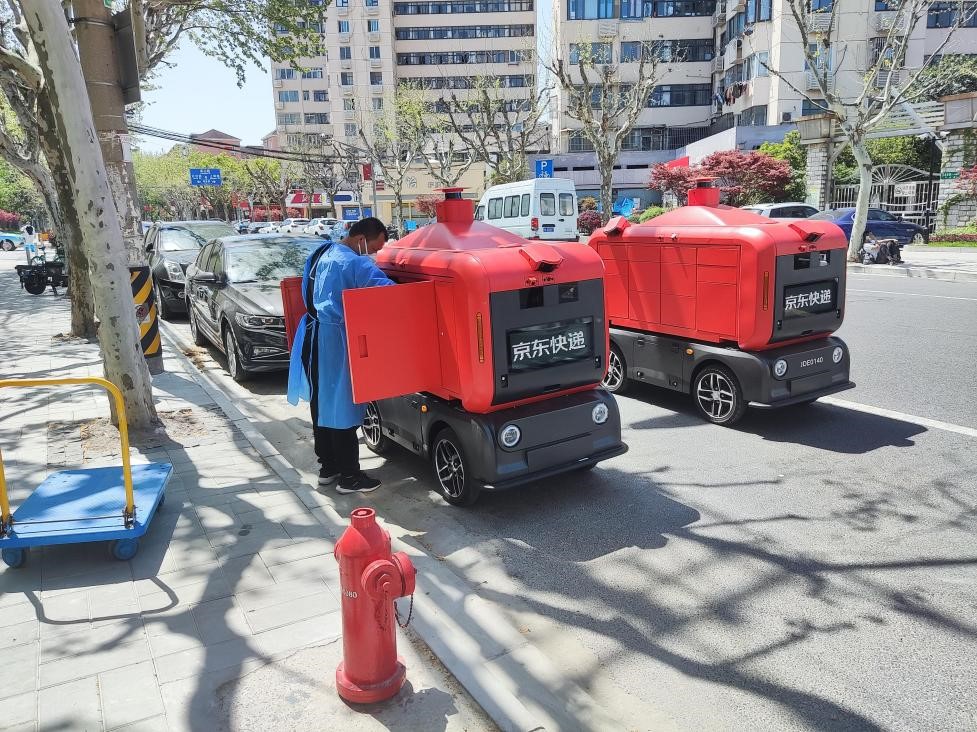
Over 100 autonomous delivery vehicles were sent to Shanghai from JD’s autonomous driving research bases in Beijing and Shanghai this week. These robots will be used for last-mile delivery of customer orders and PPE to mobile cabin hospitals, lockdown communities, delivery stations and more.

About 50 indoor delivery robots developed by JD Logistics will also be transported to Shanghai to support the delivery of meals and nucleic acid test samples in the mobile cabin hospitals.

With AI technology and multiple sensors, the robots can recognize and avoid obstacles, plan its route to the destination automatically and drive on public roads without human interaction. They can also be monitored and taken over remotely, so that even the local volunteers who have never used the robots can operate them after simple trainings.

The robots sent to Shanghai can load up to 200 kilograms of goods and drive 100 kilometers per charge.

Previously, the company announced that it would provide 16 million items of daily necessities to Shanghai residents, including rice, flour and cooking oil that can secure one-month supply for local customers. Additionally, more than 2,000 JD couriers have been called to travel to Shanghai to support local supply.

JD.com debuted its first autonomous delivery vehicle in 2016 and revealed the Level-4 autonomous driving robot in 2019, becoming the world’s first company to put such products on public roads without human interaction.


(yuchuan.wang@jd.com)

Posted in Uncategorised

Gartner: JD.com’s IaaS Market Share Ranks No. 4 in China

by Yuchuan Wang

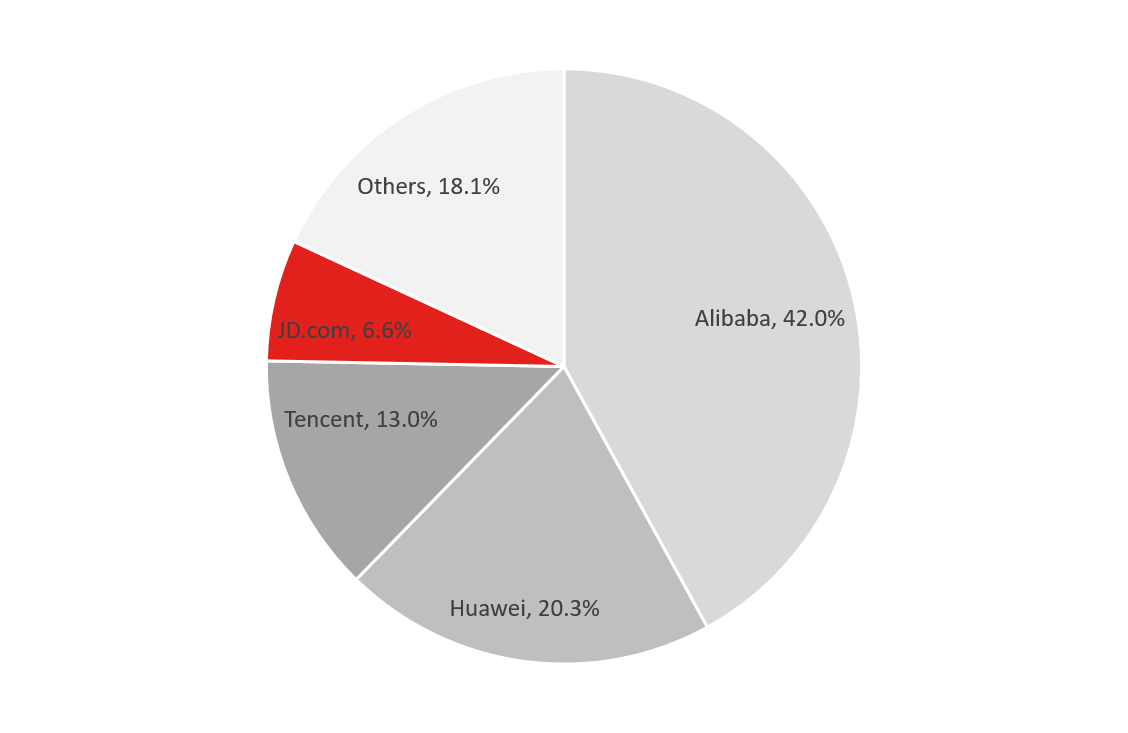
The latest Gartner data on IT services market share released in early April shows that JD.com’s cloud service, JD Cloud, ranks fourth among IaaS (infrastructure as a service) providers in China, moving one position up from last year’s ranking.

Chart created by JD.com based on Gartner IT Services Market Share 2021, China IaaS

For a long time, JD Cloud has been the foundation for JD.com’s digital transformation, and supports the successful completion of the company’s massive promotions during 618 and Singles Day, by managing over 500 million customers and nearly 10 million SKUs (stock keeping units).

During China’s Spring Festival Gala 2022, JD Cloud provided stable technical support for the virtual red-envelopes with a cumulative amount of global participation reaching 70 billion interactions through JD’s app.

JD Cloud provides services for clients such as enterprises and financial institutions, among many others. It combines technologies of AI, big data and IoT to offer solutions for the industries across retail, logistics, healthcare, smart cities, fintech and more.


(yuchuan.wang@jd.com)

Posted in Uncategorised

China National Service Corporation Opens Duty-Free Stores on JD Worldwide

by Doris Liu

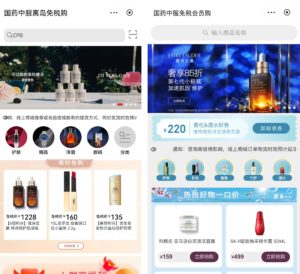
China National Service Corporation (CNSC), a subsidiary of Sinopharm, recently launched its duty-free stores in collaboration with JD Worldwide in the form of mini-programs, providing visitors to Hainan province with international brands.

The two mini-programs, “CNSC Duty-Free Store” and “CNSC Member Store”, can be accessed by typing the names on JD’s app or scanning the QR codes with JD’s app or Tencent’s WeChat scanner.

Visitors to Hainan can make purchases in the mini-programs 30 days before their departure from the island at the earliest, and can choose to pick up the goods at designated pick-up points or have them delivered by mail when they leave Hainan. Moreover, consumers without Hainan departure record can place orders for goods in CNSC Member Store.

In February 2022, CNSC and a joint venture between JD and its French partner Lagardère Travel Retail entered into cooperation to leverage all sides’ advantageous resources and strengthen CNSC’s online and offline duty-free business, cross-border e-commerce and so on. The launch of the mini-programs this time was part of the cooperation.

With a network operating in China, Japan and UAE (Dubai), CNSC is one of the key partners in JD Worldwide’s development of duty-free business. In the future, the two parties will explore a wider scope for duty-free collaboration and provide a better duty-free shopping experience.

JD Mini Program Open Platform, launched in 2020, is opening not only to brands and merchants on JD’s platforms, but also external partners from various industries. It aims to develop independent mini programs across the various apps in JD’s ecosystem such as the JD.com and the JD Finance apps. Thanks to the company’s partnership with Tencent, programs can be seamlessly adapted for the WeChat platform.

Any international brand interested in building their business with JD in China can apply via https://www.jd.hk/cooperation_en or by emailing worldwide@jd.com.


(liujun215@jd.com)

Posted in Uncategorised

JD.com Boosts Hormel Foods’ Luncheon Meat Localization as China’s Growing Eating-at-Home Trend is Here to Stay

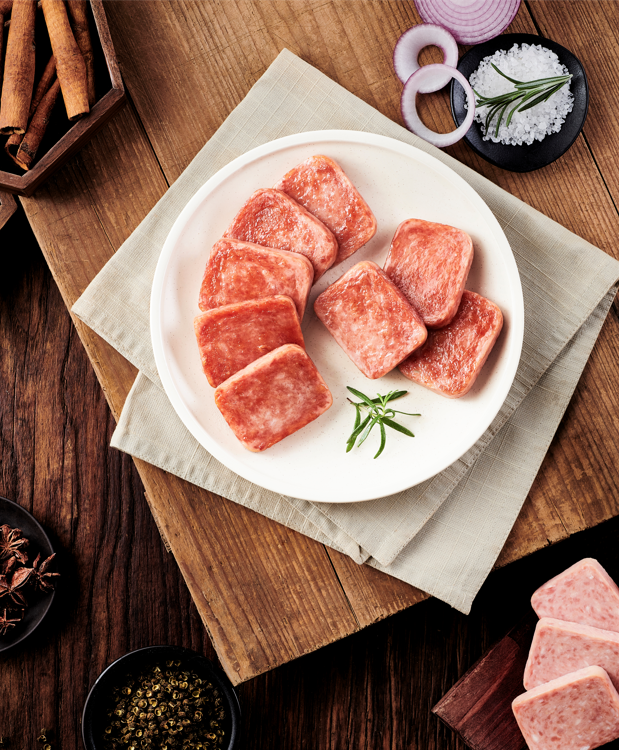
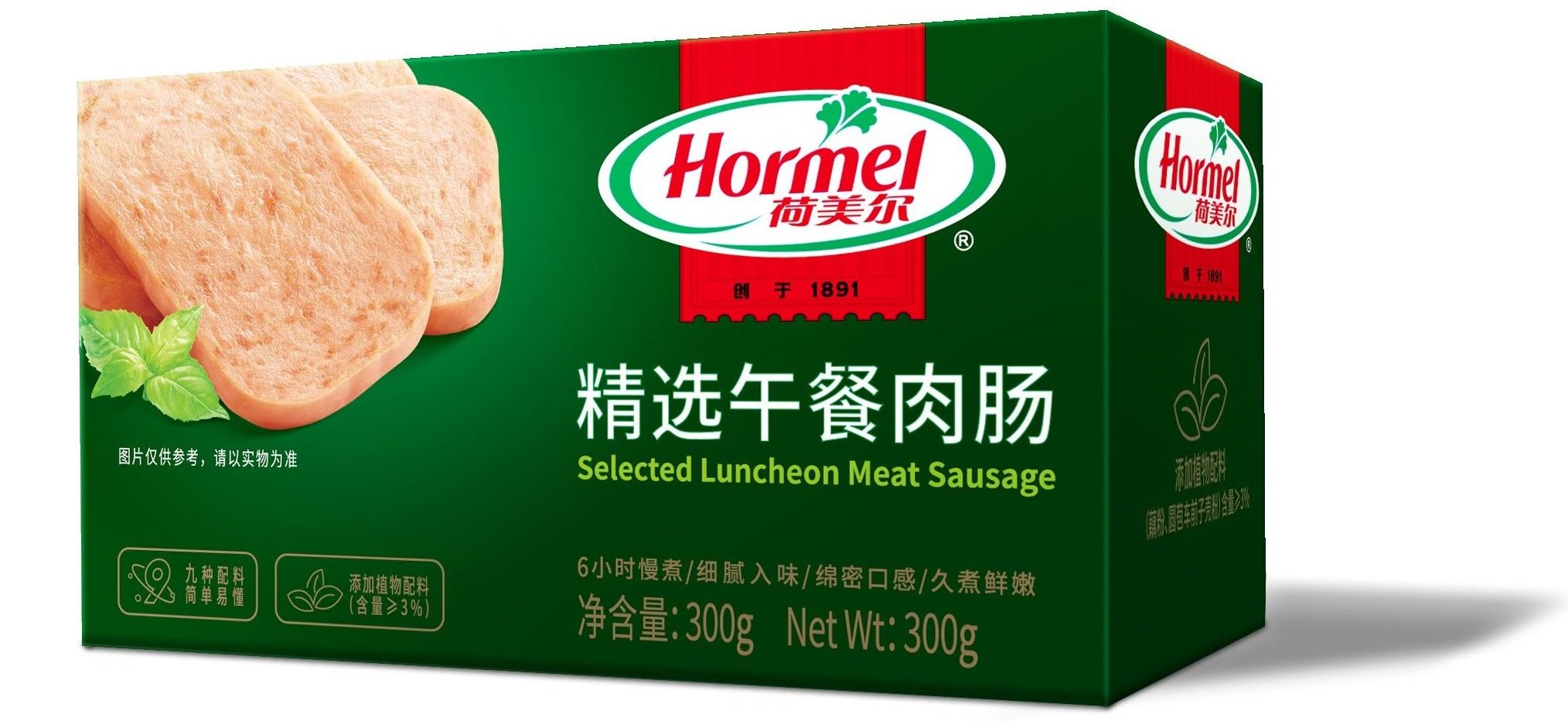
The low temperature luncheon meat by Hormel Foods Corporation, a leading U.S. food processing company, has seen 85% month-over-month sales growth on JD.com since it hit the China market six months ago amid COVID surges that propelled China’s eating-at-home trend.

Hormel Foods’ low temperature luncheon meat product

“As Chinese consumers re-prioritize safe in-home consumption and become more cognizant of what they are eating under the impact of COVID-19, the success of the new product launch provides us meaningful experience to navigate our business on the China market,” said Haijiang Gu, general manager of Hormel Foods China.

“Chinese people’s consumption upgrade continues to evolve in the COVID era,” said Wei Ye, general manager of JD Foods. “Consumers look for more fresh, healthy and high-quality food products, and we believe the low temperature luncheon meat that can tenderize the meat without losing much moisture bodes well for a great market opportunity.”

To develop this localized product line, Hormel Foods’ China team integrated Chinese customers’ dietary habits, tastes and shopping preferences drawn from latest market studies and first-hand customer insights.

The new luncheon meat product was introduced to the Chinese market first on JD.com during the Singles’ Day shopping festival in November last year. According to JD’s shopping data, it has become a welcomed companion with self-heating hotpots, snacks, beers, breakfast cookers, and other products.

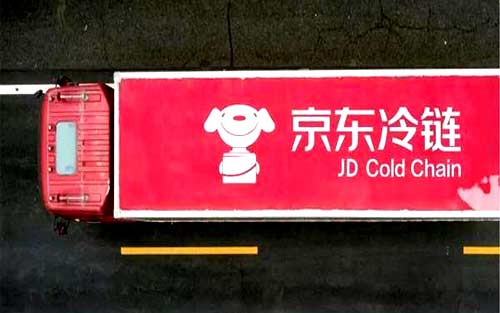
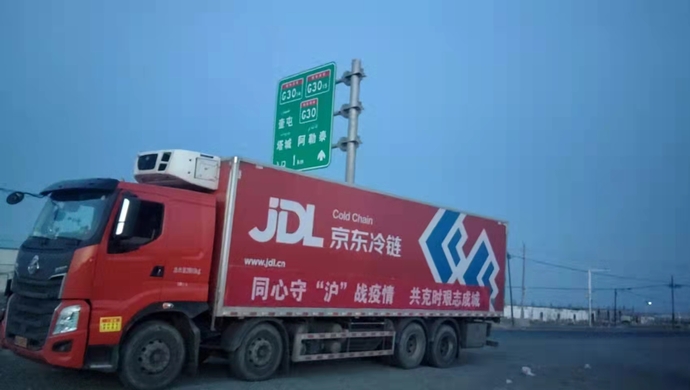
JD Logistics’ cold chain van

JD’s focus on authentic and higher-quality goods makes it the prioritized channel as international brands expand China market. Its customer base that features the middle-income customers in upper-tier cities and the fast-growing group of people looking for better quality products arising from lower-tier markets who often do planned shopping for families is a natural match with Hormel Foods’ core consumers.

Furthermore, JD’s nationwide cold chain logistics network and product traceability technology ensure Hormel Foods’ refrigerated deli meat products are delivered to consumers’ door steps fresh and safe. Currently, JD Fresh’ cold chain delivery service powered by JD Logistics has covered more than 300 cities in China. Together with JD’s omni-channel capabilities which help to improve consumer experience for faster and fresher products, sales of Hormel Foods on JD.com increased by 163% YoY during the COVID-19 pandemic outbreak in early 2020.

The latest Nielson study showed that 86% of mainland Chinese consumers said they prefer eating at home more often than before the outbreak, and it could be a long-lasting trend. With the changing lifestyle and the readiness of cold chain logistics expertise, Hormel Foods’ new luncheon meat product is one of the precursors indicating huge room for growth in the country’s mid to high-end meat market.


(press@jd.com)

Posted in Uncategorised

JD Explore Academy’s Qiling Framework Accepted in GSoC 2022

by Yiming Yan

The Qiling framework developed by the Shepherd Lab of JD Explore Academy has been accepted in GSoC (Google Summer of Code) 2022 after recommendation by The Honeynet Project.

Starting from 2005, GSoC has been devoted to helping contributors find open source projects. More than 18,000 students from 112 countries, who get help from 17,000 mentors of 746 open source organizations, have written more than 40M lines of code in fields they love.Qiling

The Qiling framework is an advanced binary emulation framework that supports many different platforms and architectures. The framework can help technicians in virtualizing a “non-physical” system environment in order to effectively launch vulnerability investigations. This will not only alleviate the inefficiency of low-power IoT, but it will also cut the cost of reverse learning in IoT.

Analyzing vulnerabilities through reverse engineering is a necessary topic for both IoT providers and the information security industry. While hacking attempts run on diverse operating systems and CPU architectures, traditional binary analysis approaches, on the other hand, find problems such as being costly and inaccurate.

Shepherd Lab breaks through the various restrictions of existing analysis methods and officially published Qiling, a dynamic binary analysis framework that can be utilized across platforms and CPU architectures. The framework can support dynamic binary instrumentation, which allows researchers to change the running behavior of target files at will, allowing them to run files of various formats and architectures and analyze various code pathways. Simply put, users can utilize the framework to deal with code obfuscation techniques without the source code and easily break down anti-reverse defenses of target files.

Compared to traditional dynamic binary analysis programs, the Qiling Framework can also run in multiple system platforms such as Linux, BSD, OSX or Windows. There is no limitation of CPU architecture.

Since its launch in 2019, nearly 100 volunteers around the world have contributed to the Qiling Framework, and it has been utilized to develop security tools by a number of international security institutions including Apple, Google, Microsoft, Dell, CAS, Tencent, and Huawei, etc.

The Qiling Framework development team will participate in GSoC as mentors to provide technical expertise to the participants. KaiJern, Director of The Shepherd Lab, welcomed the contributors: “We’d like to take this opportunity to invite future stars to join our journey in developing the community, and we’ll provide help in any way we can.”

Link to participate in GSoC 2022 with Qiling

(yanyiming1@jd.com)

Posted in Uncategorised

JD.com: Four Robotic Shops “ochama” Have Been Launched in the Netherlands

by Yuchuan Wang

During the 2022 World Retail Congress held in Italy from April 5th to 7th, Pass Lei, general manager of ochama at JD.com, announced that since January of this year the company has launched four robotic shops in the Netherlands, located in Leiden, Amsterdam, Rotterdam and Utrecht.

As the pandemic is reshaping consumers’ shopping behaviors, digitalization has been put in the spotlight for global retailers. “We hope to help customers explore an extraordinary shopping experience through technology and service innovation, and create a sustainable future,” said Lei.

It is not only the chain’s in-store robots that enable such efficiency. JD’s warehouse in Rotterdam spans an area of nearly 20,000 square meters. Equipped with automated systems, it can process 15,000 parcels a day.

Thanks to the application of supply chain technologies, ochama brings down the product price by an extra 10% to benefit the chain’s member customers.

Ochama is JD’s first physical retail store launched in Europe. The omni-channel model allows shoppers to purchase a full range of products including fresh produce online through ochama’s App, and pick it up offline with the help of various robots such as robotic arms and automated ground vehicles. Customers can also choose to have their orders delivered the next day to their doorsteps by paying a small fee.


(yuchuan.wang@jd.com)

Posted in Uncategorised

JD.com to Provide 16 Million+ Items of Daily Necessities to Shanghai Residents

by Yuchuan Wang

“JD.com will provide over 16 million items of daily necessities to Shanghai residents, including rice, flour and cooking oil that can secure one-month supply for local customers,” said Wenbo Wang, vice president of JD.com, during a press conference on measures and control of COVID-19 in Shanghai held on April 10.

JD.com has participated in Shanghai’s supply guarantee system. Since late March, the company has allocated sufficient goods from brand owners, fresh produce bases and its more than 1,300 warehouses nationwide, with a focus on categories including food, baby and maternal and medicine. For example, JD will increase its inventory for rice, flour, meat and seafood by two to three times more than usual.

The first batch of goods including over 80,000 pieces of baby and maternal products such as milk powder and diapers, over 100,000 items of medicine and PPEs have arrived in Shanghai. In addition to delivering to consumers, part of the milk powder shipment was delivered to the Shanghai Children’s Medical Center to ensure the demands of the mobile cabin hospitals in Shanghai for children and parents.

JD Health launched free online health consultation services for residents in lockdown areas. JD Pharmacy has prepared sufficient stock of medicines, disinfection products and other healthcare supplies and ensure their delivery in a timely manner.

Regarding the breakpoints on the supply chain, JD is in close communication with local governments to try every means to restore smooth operations.

Wang said that more than 2,000 couriers have joined the front-line to ensure the delivery for customers. Earlier, JD also launched autonomous delivery robots in the city’s Pudong New Area to provide contactless last mile delivery for certain locked down neighborhoods.


(yuchuan.wang@jd.com)

Posted in Uncategorised