JD Launches Amazon Kindle Super Box with Guozijian

by Ling Cao

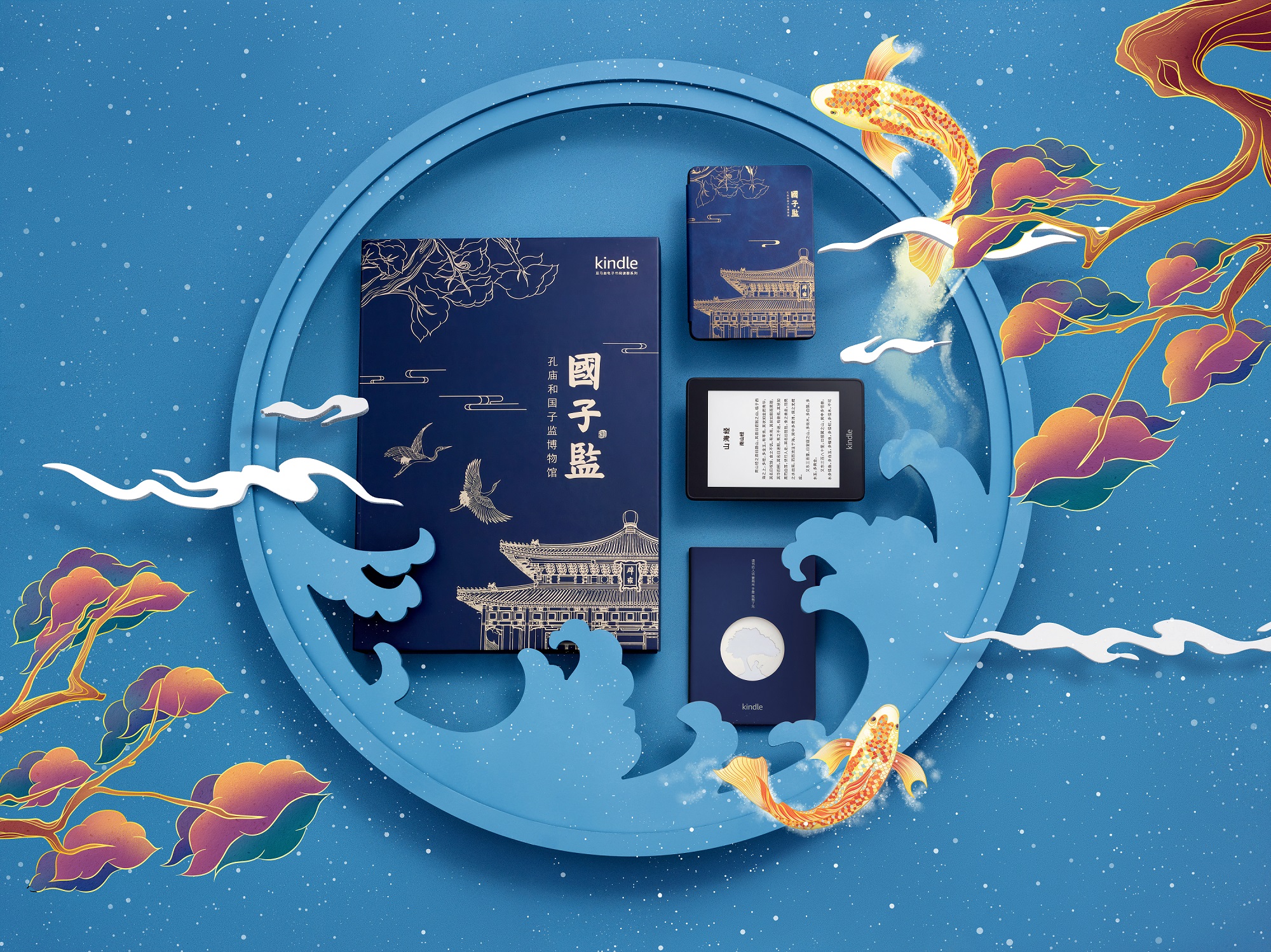
As the Chinese New Year (CNY) is approaching, authorized by the Guozijian Museum, JD and Amazon Kindle have launched an exclusive JD super box.

This super box includes the classic Kindle Paperwhite, a specially designed Kindle cover featuring  traditional Chinese calligraphy of Guozijian(国子监),which is the highest education and education administration body of ancient China since Emporor Yang Guang (569-618AD) of Sui, a one-month card for Kindle Unlimited, a Kindle 2021 diary notebook, plus Chinese couplets and CNY red envelopes.

JD Super Box is a program launched by JD, aiming to produce special boxes by collaborating with brands, designing interesting products to satisfy customers’ different needs.

The Kindle cover reflects Chinese tradition of encouraging people read more books, while Guozijian was a dreaming college for youngsters then to pursue higher education.

A representative from JD’s office products department said, “Guozijian represents a profound cultural and educational element of China, which is in line with the spirit of reading more books. That’s why Amazon Kindle and JD chose to work with Guozijian Museum to deliver this product.”

Leveraging e-commerce and operation experience, Amazon Kindle and JD also found that when purchasing a Kindle, customers care about the appearance very much. The two companies began discussing and preparing for the super box in mid-December last year. With CNY around the corner, both companies have added couplets and red envelopes to the set as best wishes.

During JD’s last June 18 Grand Promotion, over 50 global brands participated in super box program, including Adidas, Karl Lagerfeld and Swisse.


(ling.cao@jd.com)

“Adding Color to Holiday Memories”: JD FMCG Omnichannel President

by Kelly Dawson

Amid a recent uptick in COVID-19 cases, many Chinese are preparing to stay in the cities where they work during the upcoming Chinese New Year holiday. For those who are yearning for the tastes of home, JD’s omnichannel through its JD Super and SEVEN FRESH is providing not only fresh ingredients but a wide range of Chinese New Year-ready meals for customers, including ready-to-cook meal gift boxes and meal packages.

“This Chinese New Year will be a special experience for many Chinese people and we hope that JD’s service can add color to their holiday memories,” said Carol Fung, president of JD’s FMCG Omnichannel division, which encompasses JD’s online supermarket JD Super and offline supermarket chain SEVEN FRESH.


JD’s ready-to-cook, ready-to-eat foods and fresh products will make celebration preparations “faster and easier,” Fung said. “Customers can receive their products even on the first day of the holiday, thanks to the nonstop delivery of JD Logistics. [They] can receive the products they need, even on the eve of Chinese New Year in as fast as 30 minutes.”

JD Super collaborates with many local supermarkets and chain stores including Walmart to make this instant delivery service possible. SEVEN FRESH will also provide delivery services, with delivery provided by JD Express for customers who purchase in stores.

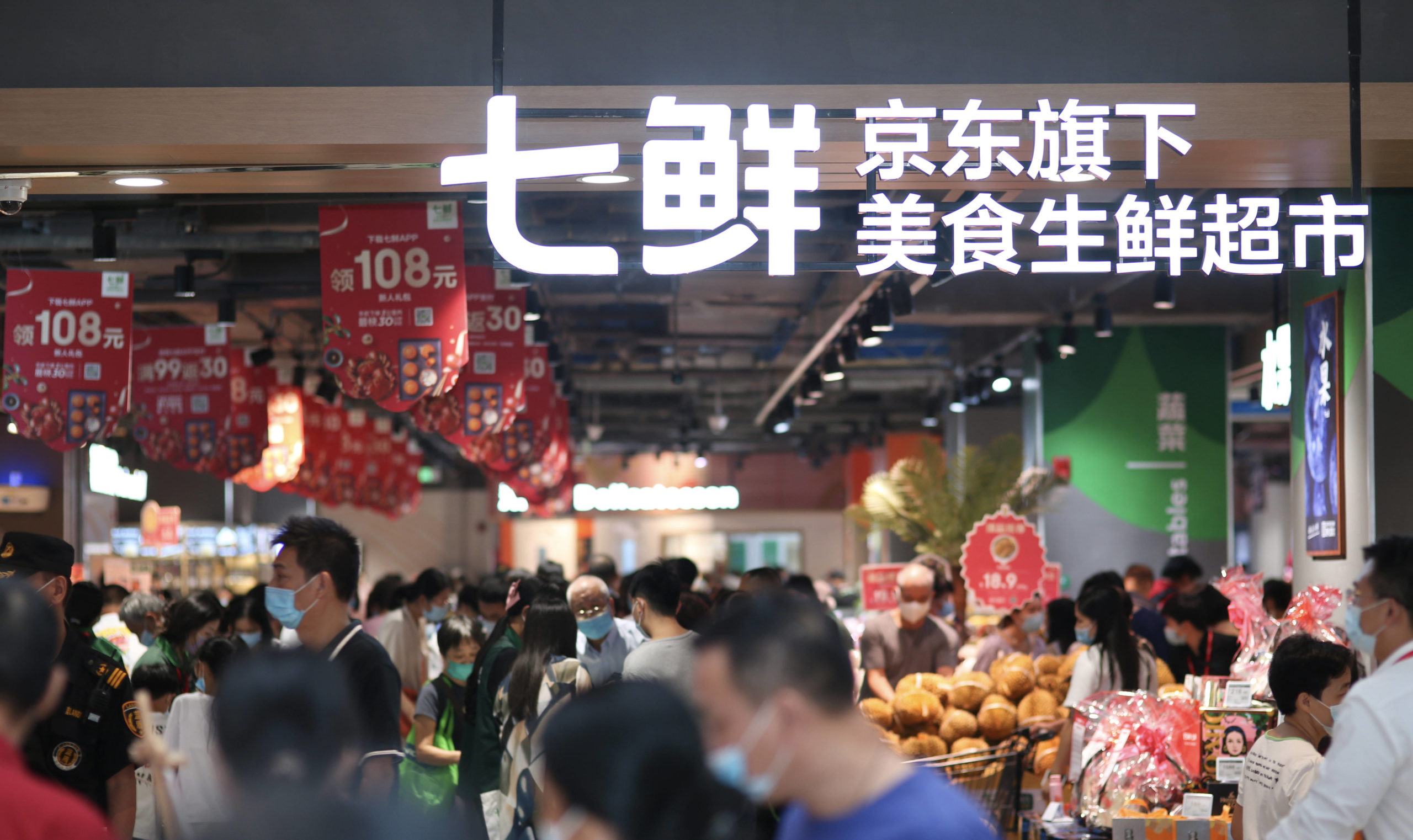
SEVEN FRESH, as one of JD’s key omnichannel retail initiatives, was launched in 2018 and has positioned itself as a high-end offline retail supermarket. Each offline store has thousands of products covering food, fresh, FMCG and more.


(kellydawson@jd.com)

In-depth Report: JD’s Big Data: Help Shaping Real Economy

by Ling Cao

When making a purchase online, some consumers may opt to filter search results by top sales performance – this is a simple expression of a consumption trend. A more complex version is a report which considers multiple factors. For example, as Spring Festival is approaching, a report has revealed trends that C2M (Consumer-to-Manufacturer), which uses big data to provide advice to brands about how to create products to better meet market demand, house decoration and local specialties are popular. This report could also serve as a guide for consumers who haven’t bought New Year gifts yet. In China, there were 83 billion parcels circulated in 2020, according to the State Post Bureau, equal to 59 parcels per person per year on average. This massive parcel volume has formed a unique database that let consumption trends emerge.

The JD Big Data Research Institute, an open and professional platform based on the big data of JD.com, has generated around 120 reports in 2020, three times higher than that of 2017, when it was just launched. The Spring Festival report is just coming out by working with Chinese financial media Jiemian.

Hui Liu, chief data officer of the Institute shared, “Unlike peers, JD’s core advantage regarding data is the long value chain. For example, starting from a customer searching on JD’s website, to purchasing a product, to last mile delivery and after sales, the integrated process can be connected as part of JD’s big data.” Liu added: “The integration and complexity allow us to produce accurate customer profiles and consumption trends. Ultimately, we can know the why and how behind a transaction.”

Hui Liu (center) with JD colleagues

How to create a report

There are always interesting trends on people’s radar. Ahead of last Chinese Valentine’s Day (Qixi七夕, July 7th on the lunar calendar, falls on July 25th last year), the institute found that when it comes to adult, COVID-19 may have impacted their purchase choices, but certainly hasn’t caused consumer interest to wane. The report was popular, and was even reported on by leading marketing media, The Drum. The outlet wrote: JD’s data “saw dramatic changes in related search keywords when people in China went into lockdown as it drove a huge increase in demand for contraceptives and stimulated long-distance partners’ desire to make purchases for their counterparts from afar.”

Liu shared, “Qixi is the best time to discuss such a topic, and even to take advantage of it since people are usually too shy to talk about it. Leveraging the timing and our big data ability, we can show the society the culture of this category in China. And we also have industry data showing that we have a comparative advantage in this category such that we can represent the online consumption of adult products in industry.”

Liu shared four general steps for generating a report: 1) Forecast insights by reading relevant materials and interviewing business teams at JD; 2) Consider holding a workshop with internal and external experts. 3) Reflect the insights in the task of data selection, 4) Proof or override the forecast insights based on data analysis. If the data don’t agree with the initial forecast, the team will find new insights and conduct further research.

“Generally, it’s important to forecast insights at first, otherwise insights will be buried in the massive amount of data,” added Liu.

The institute is focused on much more beyond the basic process of putting together a report. Fei Lu, senior researcher at JD’s Big Data Research Institute was responsible for making the adult products report. He shared an innovative way to combine objective data analysis with a subjective questionnaire, which could make the result more persuasive. For example, data can reflect certain sales performance, while the questionnaire can reflect reasons behind the purchase. Lu also shared another creative way of making cross analysis, especially comparing two items which seem unrelated. Lu said, “Most of the efforts are in vain but there is still the possibility of an unexpected surprise.”

For instance, last Chinese National Day holiday was a time to test whether China’s offline consumption had recovered amid the pandemic. As a major online platform, JD also planned to work on a consumption report. Lu cross-analyzed many different aspects of data. For example, Lu has put Hubei’s (Hubei’s capital city Wuhan was the  epidemic epicenter of the COVID-19 outbreak in China last year) local food sales performance together with third party tourism data, which unexpectedly showed that the increased growth rate of the food may be related to population mobility. Taken together, this implied that Hubei’s consumption growth rate had recovered to the level before the epidemic. The data was used in several domestic media reports.

The institute has consistently provided insights during COVID-19, finding for example, that the younger generation took on much more responsibility; JD has become one of the most trusted platforms by customers; and consumption upgrading and rationalization are carried out simultaneously. These trends could provide a direction and insight in the industry.

Lu added: “Our internal business team came to us after we published the adult products report, and said it could be good material for business development purpose. I felt like this is also part of the value of our job.”


Why launch the institute

Right now, the institute not only produces consumption-related reports, but also has expanded to cover to industrial or regional economy research, providing broader value. This is far beyond the objectives when the institute was first established. “In the beginning, we found that JD’s R&D team had already used big data to make valuable analysis for internal use, such as to determine the most active customer group,” explained Liu. “This inspired me to consider how to expand its external value.”

There were several objectives at first: 1) Response to media requests, supporting reporting with certain trends; 2) Response to business team’s needs, making vertical industry reports covering electronics, home appliance, FMCG(fast moving consumer goods), as well as baby and maternal products; 3) Work with external think tanks or institutions to produce meso-economic and industrial reports, such as a rural e-commerce analysis; and 4) Visualize the data in a command center during important promotions such as the 618 Grand Promotion, and introduce the findings to a multitude of internal and external stakeholders.
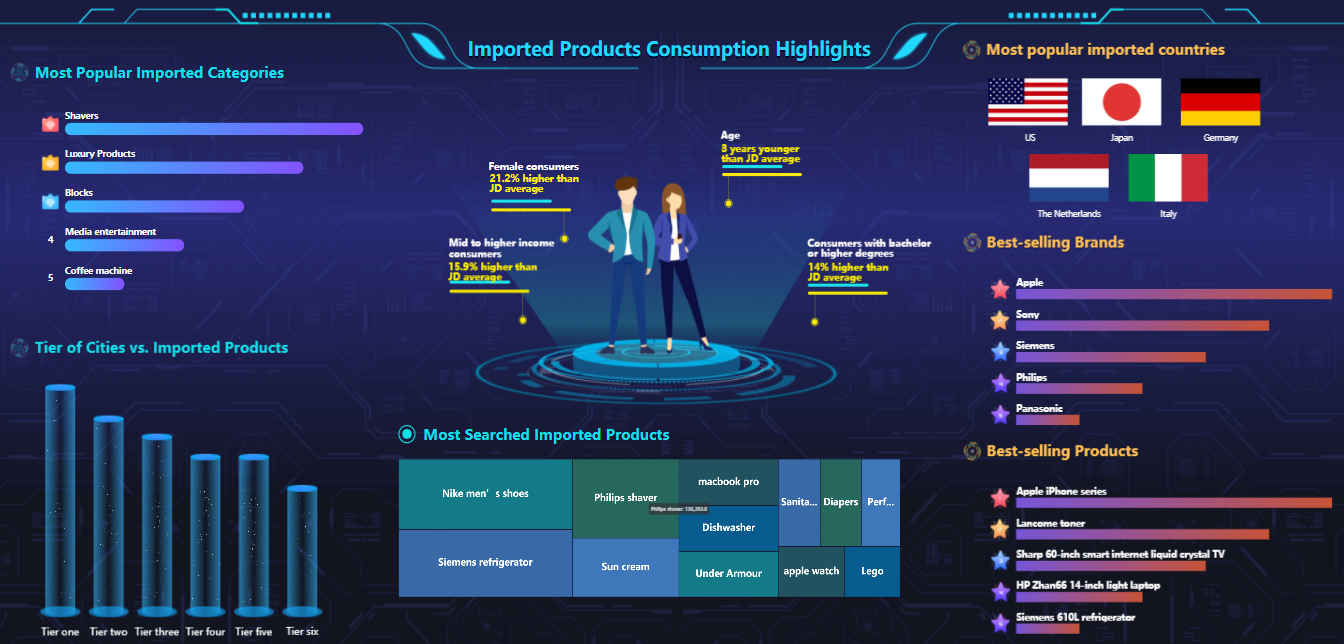
Imported products consumption highlights exhibited at the command center during 11.11 Grand Promotion in 2020

Combine strength of JD and external experts

Fei Dong, senior researcher at the Institute shared, “JD’s own data mostly represents an online sales trend, while we will consider whether it’s thorough enough to reflect a macro trend. That’s why we are willing to expand cooperation with external experts, such as universities, and enterprise-level think tanks at companies such as Tencent and Ctrip.”

One case was an employment report produced by JD and Maimai, China’s workplace social networking platform. Under the program, both companies provided data to complement each other.

Experts, such as professors at universities, have the advanced knowledge architecture, and a more far-reaching understanding of the industry, as well as better analysis methodology. When looking at certain topics such as lower tier market penetration, JD will invite them for a workshop, to discuss the macro trends in society.

For example, JD and Renmin University of China have cooperated on an environmental protection program, which targeted to research how green awareness will impact customers’ consumption. Specifically, by combining the university’s methodology with JD’s data, the team labeled two groups of products. Group A showed green related labels in the product description page, and group B was normal. The differentiation in sales, customer profile and more were compared.

Dong added, “The Institute focused more on consumer related reports before, but as we have recruited colleagues with different expertise backgrounds, as well as cooperated with more and more external experts, we have more confidence to do industrial forecasts.”


Future direction

Liu pointed out the importance of providing value for brands and partners at the industrial level. He shared an example of how regional economy research can effectively help brands better manage their business and set goals. Take Chongqing for example. JD will analyze how Chongqing’s local specialties perform in and outside the region, and compare the customer profile of local residents with the national average. This can help brands better understand the industry and know whether customers have awareness of certain products, so as to judge where the potential opportunities are. Liu added, “JD is designing an interaction system, enabling partners to search for regional economy development rankings in China, with specific profiles for a particular province, and performance for certain products.”
Liu also added, “We hope the institute can not only provide value to brands, customers, industries, but also to young talent. Going forward, we are thinking of open up part of our data and case studies to them, providing value for their academic research. In the same time, they can bring fresh thinking to us.”

Consumption trend reports or vertical industry analyses are mostly dealing with micro economies. JD hopes to extend from data analysis to deep case studies, producing industrial-level and meso-economics-related reports, on topics such as the development of the industrial internet. JD will expand its retail-centered analysis to service and technology, extending the value of big data to broader areas.

Liu concluded, “In fact, data is just a foundation. It’s all about how technology can shape the real economy.”


(ling.cao@jd.com)

JD Big Data: Three Trends from this CNY Grand Promotion

by Ella Kidron

A recent report published by the JD Big Data Institute revealed a handful of trends observed during the Chinese New Year grand promotion.

Fei Lu, senior data analyst at the Institute, said: “Spring Festival is one of the most important festivals in China. It is also an important shopping season, but there were some concerns that reduced travel to hometowns would cause a consumption contraction. Our data, however, shows demand staying strong with growth driven in new sectors.”

Here are three trends worth noting:

1. New definition of “home”

Home is a vital ingredient of the Chinese New Year. Ordinarily, many Chinese people will travel from the city where they work to their hometowns to celebrate CNY with their big families. A new wave of COVID-19 cases across several provinces in January has prompted many consumers to opt to stay put rather than travel.

But the saying “home is where the heart is”, rings true as consumers in the big cities rush to send gifts home, and hometown friends and family are eager to send a “taste of home”. This is one of the reasons for a spike in “remote orders” (orders where the sender and recipient city differ). Interestingly, the highest number of such remote orders coming from Beijing head to Hainan.

Looking more closely at CNY Grand Promotion orders, rice, flour, oil, alcohol and other necessities have seen a 1-2-time increase YOY. In addition to products, sales of services such as laundry, healthcare, auto, pet services and more have increased 6-10 times compared with the same period last year (according to the lunar calendar).

2. Driving “new” areas of consumption

The concept of staying put in the place of work instead of traveling has meant increased consumption in new categories. Comparing the consumption structure for CNY last year and this year, it is possible to see that pet life, maternal and child, personal care and education and books consumption as a proportion of the total is more significant. Consequently, with a reduction in travel and visits, the alcohol and gift category expenditure as a proportion of consumers’ total CNY spending has gone down.

Consumption remains vibrant, especially for high quality, high-priced goods like gold and silver, milk powder and luxury goods. “CNY is a very good time for brands, especially for the release of new products, which always lead the consumption trends,” said Lu. “During 2021, the number of consumers buying new products on JD’s platform increase as much as during Singles Day. This is what we defined as the ‘Rebuilding of Consumer Confidence’.”

3. Young consumers set the trend; the rest follow it

Micro-demand has triggered multiple opportunities for brands to capture trends. For example, during this CNY Grand Promotion, the famous traditional dish Buddha-Jumps-over-the-Wall has seen explosive demand in southeastern provinces, with sales increasing 320% YOY, an old soda brand, Arctic Ocean, increasing 207% and Hanfu (traditional Chinese dress worn in ancient times), which has become very popular in the last few years, increasing 78%. Shanghai consumers are keen on bird’s nest and Ferrero chocolates, while footbaths in Wuhan, Hubei province increased by 115%. Consumption of electronic firecrackers in Beijing more than doubled compared with the same period last year.

Lu said: “JD’s consumption data can provide an accurate reference for brands to release new products, control the pace and position marketing.  In the chaotic, post-epidemic era, consumers need a strong and powerful guarantee and leader, instead of being blindly conservative and cutting back on expenditure.”


(ella@jd.com)

In-Depth Report: Chinese New Year Consumption: For Family, Oneself, or Gifting

by Ella Kidron and Vivian Yang

Feb 12 is Chinese New Year’s Day. It is time for family reunion, people shop for a fresh start and for good omens. It’s more of a gifting holiday, and less about shopping for oneself.

Over the last decade or so, China’s massive shopping festivals, including Singles Day (Nov. 11) and JD’s 618 Grand Promotion (Jun. 1-18) have gradually become known around the world. What is less known, however, is the importance to retailers of Chinese New Year a.k.a. Spring Festival. Where China’s e-commerce holidays are about ushering the newest of the new in terms of gamification, products and more, CNY is celebrated by observing traditional cultural norms and customs.

All said and done, CNY is a golden time for shopping even in face of COVID-19. On the surface, people have elected to make major changes to their holiday plans to minimize infection risks, reducing travel, social gatherings and large-scale entertainment activities. Yet, as indicated by JD’s data* their emerging consumption behaviors and preferences in the new reality have underlined their unchanged desire to preserve the unique nature of the festival – a way to maintain a sense of belonging and security in the fast changing world.

These trends can be broken down into eat, wear and use.


Eat

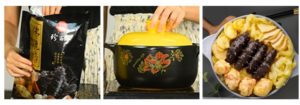
Consumers have increasingly turned online for their food-related shopping, especially under COVID-19. Traditional CNY dishes are no exception. According to JD’s data, sales of Buddha-Jumps-over-the-Wall (佛跳墙), a nutritious soup or stew which includes more than 20 ingredients such as quail eggs, bamboo shoots, scallops, sea cucumber and more, increased 320% YOY. Other staples of the CNY dinner table, including pastries and alcohol, increased 51.4% and 67% respectively. With heightened health consciousness among Chinese consumers, nourishing products increased over 93% YOY.

Instant package of Buddha-Jumps-over-the-Wall on JD.com

Instant package of Buddha-Jumps-over-the-Wall on JD.com

Consumption of baijiu in China’s lower-tier cities makes a higher proportion of overall alcohol consumption than in the first and second tier cities where imported liquor and wine are becoming increasingly popular. Looking across all age groups, baijiu accounts for more than 70% of overall alcohol purchases ahead of CNY. Imported liquor is most popular among Gen Z consumers (aged below 25), making up 10% of pre-CNY liquor consumption. Across all ages and city tiers, beer makes up roughly or just under 5% of consumption. Age 56 and up consumers represent the highest proportion of wine consumption, reflecting increased attention towards health, which also shows people of this age group have more disposable income on alcohol spending.


Wear

Red is a lucky color in Chinese culture and red clothing is a distinguished feature of the Spring Festival. As 2021 is the Year of Ox, ox-printed facemasks, t-shirts and shoes, are in high demand during the New Year sales. Of course, red underwear, believed to secure luck, cannot be forsaken. This is particularly true for people born in the year of the ox, as it is widely believed in China that when the zodiac coincides with people’s own year of birth, they will have good chances to encounter misadventure, and the most popular way to equip oneself and avoid the bad luck is with red accessories such as underwear, bras, socks and belts.

Red underwear gift box on JD.com

Red underwear gift box on JD.com

JD’s data shows that since the beginning of the New Year sales, search volume of red underwear on JD.com already increased 750%. A marketing manager at JD Retail noted that since people are spending more time at home, red color pajamas and home wear have attracted more customers’ attention. High quality pajamas, like 100% silk ones became popular gift choices.

Silk pajamas in red gained popularity during the New Year Grand Promotion on JD.com

Silk pajamas in red gained popularity during the New Year Grand Promotion on JD.com

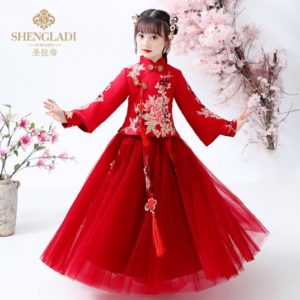
Wearing Hanfu, a kind of traditional Chinese clothing from the 17th century is a popular fashion trend in recent years. Sales of Hanfu have witnessed strong growth during the New Year Grand Promotion. JD’s data shows that Hanfu sales increased 67% YoY during this period. Among the buyers, 76% are young people under 25, 80% are female and 30% female buyers also bought Hanfu for children.

Red Hanfu for children on JD.com

Red Hanfu for children on JD.com

Use

Last year, around this time, consumers all over China were scouring stores and e-commerce platforms for masks – most of which were the light blue surgical masks or other drug store masks originally used to combat air smug. The blue masks are now ubiquitous, and in many instances have been replaced by their fashion forward cousins as mask wearing has become an inseparable part of daily wardrobes. In fact, JD recently launched a line of custom masks, in red to match the red outfits customarily worn for Chinese New Year (CNY).

Custom New Year Facemask on JD.com

Custom New Year Facemask on JD.com

From a category perspective, while sales of medical and health products have increased 65% and jewelry sales has increased 40%. At the same time, sales of personal care, maternal and child and beauty product purchases have increased 59%, 54% and 44% respectively, indicating that in addition to gifting things like health products and jewelry, other categories for self and family care are also gaining popularity.

One of the biggest differences compared to previous years will be diminished travel during the CNY period.  Looking at JD data gives a bit of insight into how consumers separated from their family by distance might change their spending pattern. Computer and office supplies and education supplies increased 65% and 64% YOY respectively. It’s also possible consumers might look to get caught up on their reading as books were also in the top 10 categories in terms of increase ahead of CNY.

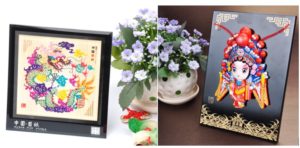
A Chinese New Year celebration would be remiss without decorations. Posting spring couplets on walls and paper-cut art on windows are two CNY must-haves according to Chinese traditon.

As an auspicious symbol, the spring couplets are composed of a pair of propitious verses vertically pasted on both sides of the front door and a four-character horizontal scroll affixed on top of the doorframe, with black characters written on red paper. These couplets have since evolved, moving from doorframes to computer screens, cell phones, closets, pet homes and more, as can be found on JD.

Handmade paper-cuts have gained prosperity through the internet. Zhang Junjie

Handmade paper-cuts have gained prosperity through the internet. Zhang Junjie, a paper-cut craftsman who used to sell his arts offline with an income of RMB 3,000 yuan per month, opened his online store on JD.com which turned out to be a big success. Nowadays, Zhang’s online business can generate more than RMB 200,000-yuan monthly.

customers’ feedback online

Moreover, based on customers’ feedback online, Zhang started to develop new products to meet his fans’ needs, such as paper-cut bookmarks, Chinese shadow puppetry models and more.

Logistics

With the lack of travel, it is no surprise that “remote” orders, or orders where the sender and recipient city differ, have skyrocketed, especially in the largest cities in China such as Beijing, which is the top city in terms of receipt of remote orders.

Across all regions, remote orders for items such as rice, flour and cooking oil increased by 30-50% YOY. This may be attributed to a desire to ensure loved ones are well fed and safe during a time when many families are separated. The contents of remote orders tend to demonstrate a nostalgia for the specialty snacks and treats of people’s places of origin. For the month of January, remote orders sent from Beijing had increased 55% YOY. Shanghai, Guangzhou and Shenzhen had seen remote orders increase 45%, 45% and35% respectively.


For the ninth consecutive year, JD Logistics has committed to delivering throughout the Chinese New Year holiday period ensuring consumers can celebrate safely no matter where they are. As Chinese people continue to shop for happiness during the most important festival in the year, the role of retailers remains to provide better choices and trusted services to meet their needs.


*”JD’s data” refers to data is from Jan. 1-25, YOY increase refers to the lunar calendar


(ella@jd.com, vivian.yang@jd.com)


JD’s Commitment to 100% Authentic Products 

by Kelly Dawson

In 1998, JD.com founder Richard Liu had a radical idea: Despite the wide-spread practice of bargaining for good deals, Liu believed that what Chinese consumers wanted most was to trust that their purchased products were authentic—and that they would gladly pay a set price for that peace of mind.  Liu had such faith in this idea that he staked his fledgling business on it.

More than two decades later, JD is China’s largest retail company—online or offline. True to Liu’s original idea, the company’s tagline remains, “Authentic products. Delivered today.” Essential to this promise is JD’s absolute commitment to fighting counterfeits, an achievement upon which the company’s reputation has formed.

According to a survey of Chinese consumers conducted by iResearch consulting firm in 2020, JD is rated as the most trustworthy e-commerce brand in China, with 56.56% of respondents tagging JD with the keyword of “trustworthy”, followed closely by “high-end” and “highly efficient.”

Now, as COVID-19 has driven a rapid rise in health-consciousness among Chinese consumers, guaranteed product quality has become even more essential in a country that has previously undergone food safety crises.

In order to deliver on this commitment, JD has instituted a three-pronged approach for fighting counterfeits that is rooted in its business model, sustained through a rigorous system of quality assurance, and is then fortified through the application of robust, cutting-edge technology.

End-to-end control

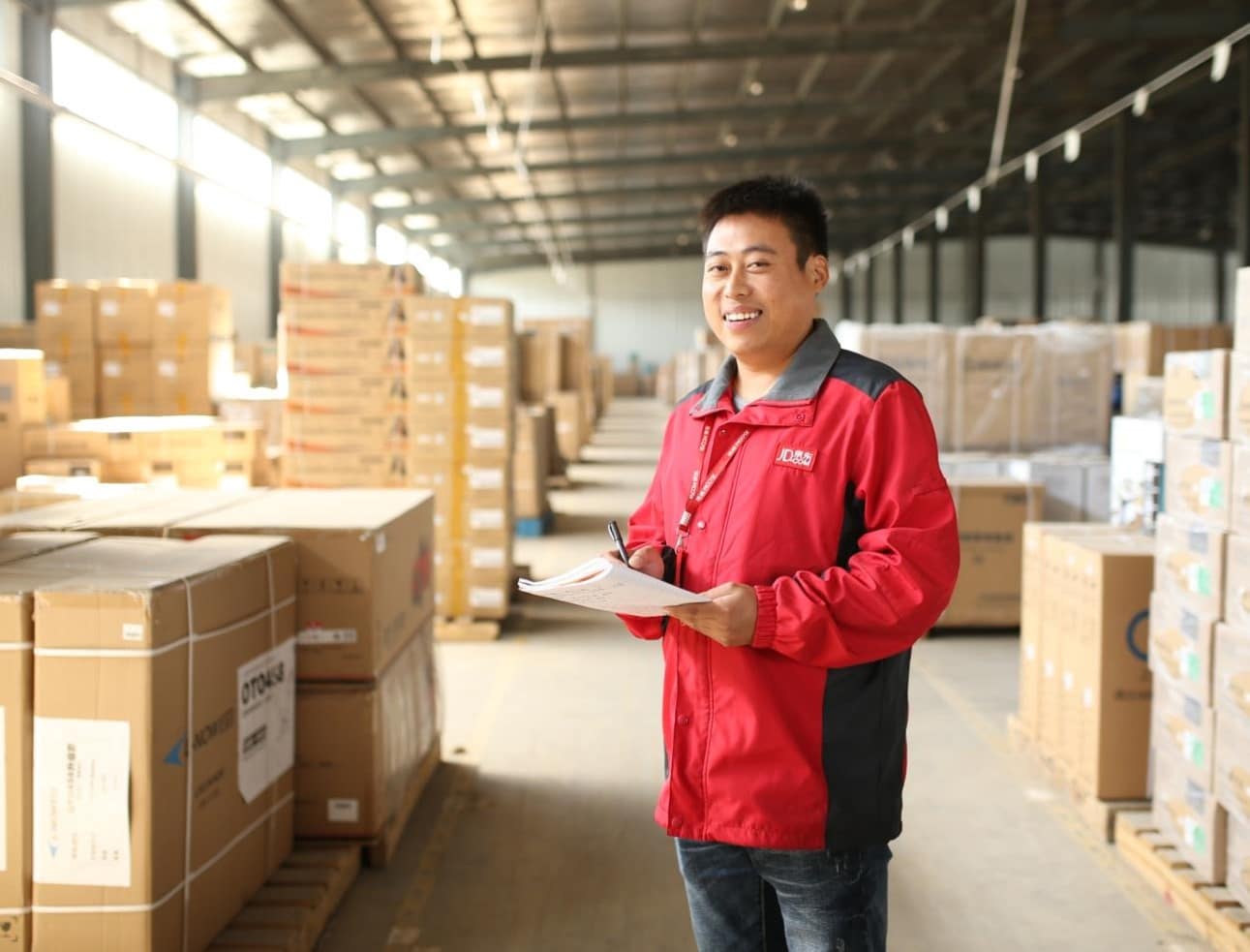
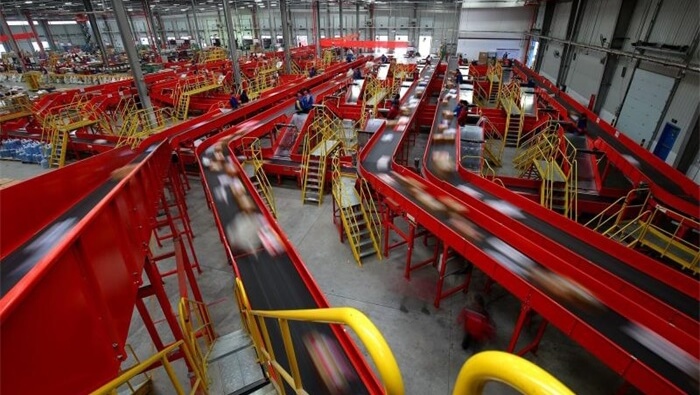
JD occupies a unique position in the industry, possessing a self-developed logistics network that enables the company to own the entire supply chain for its first party business. As the only company in China who can make this claim, JD is able to guarantee not only quality and authenticity, but also reliable service.

JD’s supply chain is as rigorous as it is efficient

“When I buy from JD, I know exactly what I’m paying for,” said Ms. Wang, a Beijing resident and long-time customer of JD.com. “I go to JD because I can trust that it’ll be reliable.”

From the very beginning, JD.com made a distinct practice of sourcing goods directly from reputable suppliers and reselling to consumers, positioning itself as a retailer as opposed to a marketplace. These products enter JD’s own self-built warehouses, which are outfitted at each step of the way throughout the supply chain with technology that inspects the quality of the goods to be in inventoried. Additionally, more and more third-party businesses are also using JD’s warehousing and distribution services and undergoing JD’s rigorous inspection and supervision processes.

Owning the supply chain from the starting point to the last mile enables JD to guarantee authenticity in a way that competitors cannot do, nurturing an ecosystem in which exacting quality control standards can then be applied.

“One strike, you’re out”

Foundational to JD’s ecosystem is a belief that strengthening platform rules, protecting trademarks and upholding intellectual property rights will result in “encouraging the good, and repelling the bad.” This requires a “zero tolerance” attitude towards fakes and shoddy products: Merchants found to be selling counterfeit products are immediately removed and blacklisted from JD.com.

The company also believes that robust prevention efforts are more effective and less damaging to the customer experience than simply punishing offenders. In order to uphold this standard, a multi-stakeholder approach is undertaken via a dedicated quality control team composed of corporate-level quality control and sub-teams across business departments. This team works closely with people responsible for supplier qualification review, applying a rigorous system that begins with a strict entry threshold.

A member of JD’s quality control team

All merchants who apply to sell on JD.com must be authorized and endorsed by their product brands. Once the brands have vouched for the merchants, the sellers must then sign a quality commitment letter and pay a deposit. All relevant documents are reviewed by JD’s dedicated quality control department to provide safeguards against harmful merchants or products entering the platform.

After the merchants and products are accepted for sale, JD will continue to monitor products through a quality management system. Spot checks are conducted through “mystery shopping,” which JD entrusts to reputable global inspection and testing companies that anonymously purchase products on JD for lab verification.

Additionally, JD has established IP protection cooperation with over 1,000 brands and brand protection organizations, including CAASA, QBPC, CBBC and other reputable intellectual property protection organizations from within China and around the world. Brands also have a major stake in ensuring authenticity. According to the 2018 Global Brand Counterfeiting Report, global losses due to counterfeiting amounted to US $323 billion in 2017.

Smart brand protection

In recent years, JD has been undergoing massive digital transformation in its expansion beyond retail to encompass technology and services. Much of this digitalization has also been applied to improve the consumer experience, with a great focus on bolstering JD’s commitment to rooting out counterfeits.

“Guaranteeing authenticity has been in our blood since the very beginning,” says a JD spokesperson familiar with the company’s brand protection.  “What makes JD unique is how we are able to take both a birds-eye view and hone in to look at specific cases first with our leading technology. We qualify potential issues and follow up offline rigorously. We call this our ‘smart brand protection’ approach.”

One such digital tool is called “Heaven’s Mirror” (天鉴), an AI-powered technology that leverages JD’s massive amount of big data from across the business and continuously improves performance through machine-learning. The technology has three significant core elements:

  • Semantic analysis: Through keyword selection that hones in on negative or emotional comments on JD.com and from external sources, JD identifies high-risk products with 99% accuracy.
  • Image recognition: Utilizing image search and OCR map recognition that identifies similarities and differences between photos used on the platform, JD identifies high-risk products.
  • Product technology: This technology digitizes, identifies and monitors goods easily. Just as users have user portraits, JD builds multi-dimensional product portraits for each product, digitizes it in high granularity to improve accuracy. Data detection is then able to identify any abnormal characteristics.

While JD’s overall ecosystem and rigorous quality control standards have proved highly successful, providing customers with easily accessible evidence of that authenticity can also help to close the loop. Toward this end, another digital tool that JD is using to build trust and guard against counterfeits is blockchain, which provides a level of trust for all stakeholders who are involved in a product, from its starting point to the customer’s doorstep.

JD is a pioneer in the development and application of blockchain technology across numerous industries including farm to table produce, maternal and infant products, health products and more. JD’s blockchain traceability platform has already partnered with more than 1,000 brands and merchants, accumulated more than one billion pieces of commodity data and responded to more than 7.5 million consumer traceability requests.

One example of how JD’s block chain is directly empowering consumers is its offering of bighead carp from Chagan Lake in China’s northeastern Jilin province. The delicacy has faced a proliferation of fakes in the market in recent years. To build consumer confidence, the company has applied blockchain technology to each and every bighead carp sold on the platform. By scanning the unique blockchain ID of each fish, customers are able to find out production and transportation details such as the origin, qualification and even the fisherman’s name.

JD has also set up a branded blockchain solution called “JD Chain,” enabling businesses to build their own blockchain solutions from the ground up, further strengthening JD’s ecosystem.

JD’s long-term commitment

Thanks to the three-pronged approach of an end-to-end business model, stringent quality assurance controls and the application of cutting-edge technology, JD is able to guarantee protection against counterfeits and stay focused on its primary priority: building trust with consumers. As increasingly conscientious Chinese consumers demand higher quality products, JD remains committed to its promise of “Authentic products. Delivered today.”


(Brad Burgess made major contributions to this article.)

(kellydawson@jd.com)

In-depth Report: How SEVEN FRESH Brings Spring Festival Cuisine to Consumers

by Hui Zhang

Many Chinese people are choosing to stay in the cities where they work during the upcoming Chinese New Year, which falls on February 12 this year, amid a recent uptick in COVID-19 cases. For most Chinese, celebrating spring festival with family over a big meal of nearly ten courses is a tradition. This year, those who won’t be traveling  to their hometowns may already be worrying about how to enjoy the gourmet feast they had been looking forward to for many months. Fortunately, JD’s offline fresh supermarket SEVEN FRESH can provide a solution to their concerns.

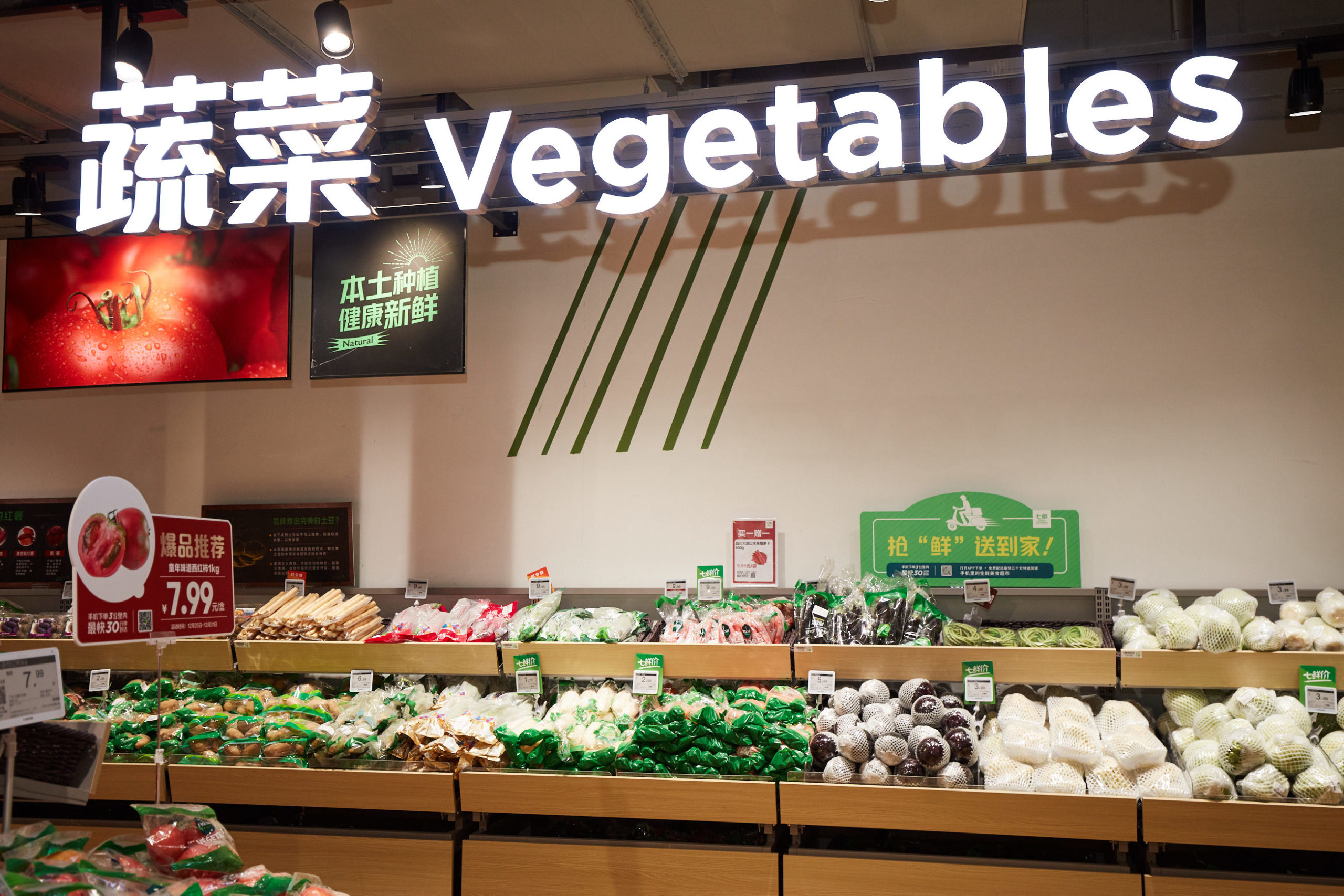
Leveraging its supply chain advantage and partnership with well-known offline restaurants and chefs, SEVEN FRESH is providing not only fresh ingredients, but also a wide range of meals for customers, including ready-to-cook meal gift boxes and meal packages. The selections include ready-to-cook local specialties from all around China, such as steamed “eight treasure rice” from Zhejiang, sausage from Guangdong and lamb chops from Beijing.

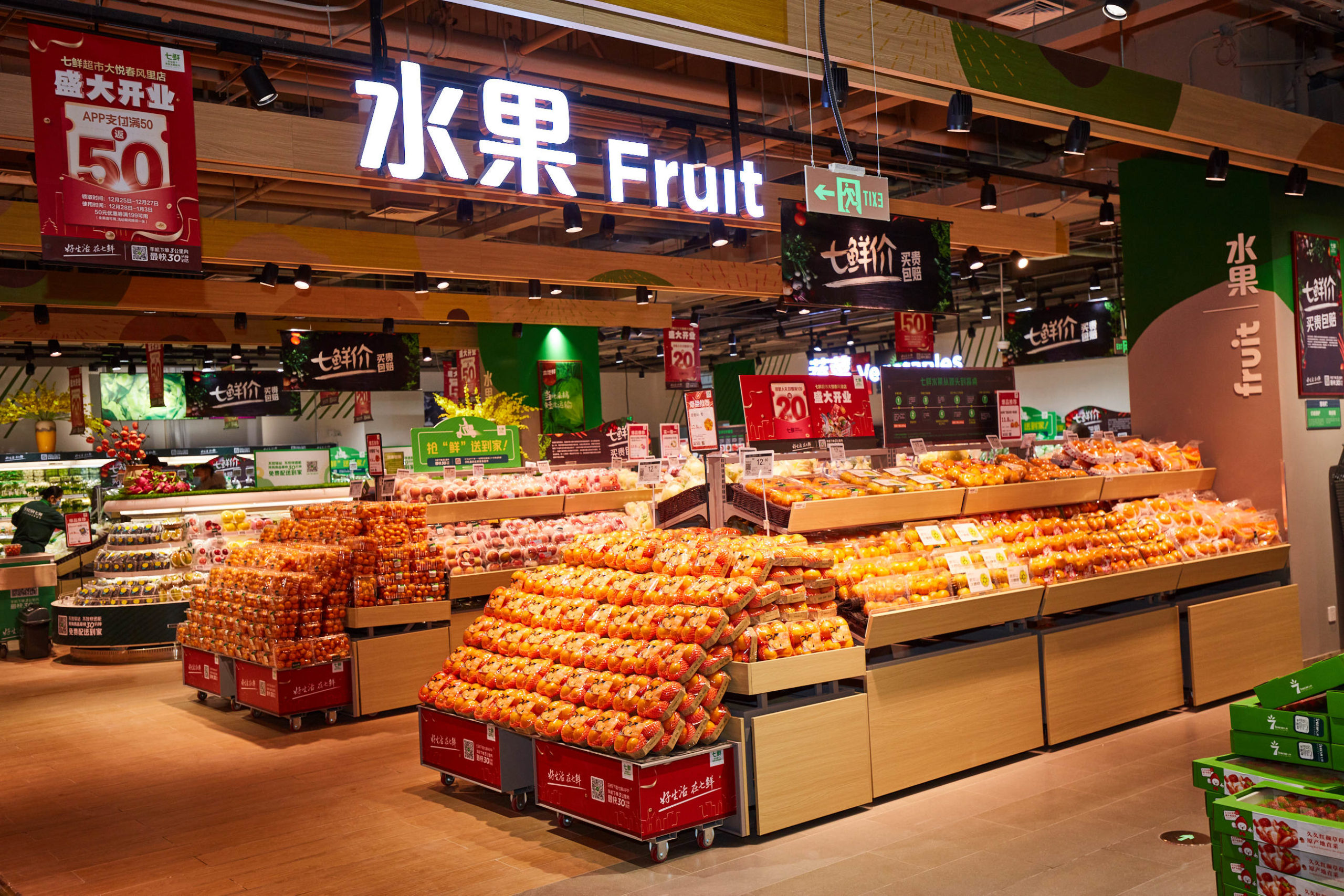
SEVEN FRESH, as one of JD’s key omnichannel retail initiatives, was launched in 2018 and has positioned itself as a high-end offline retail supermarket. Each offline store has thousands of products covering food, fresh, FMCG and more. The first SEVEN FRESH store in Beijing has won great attention with a daily average number of visitors totaling more than 10,000 during its test run.

SEVEN FRESH, as one of JD’s key omnichannel retail initiatives, was launched in 2018 and has positioned itself as a high-end offline retail supermarket

One of the key factors behind the success of the supermarket chain is its access to multiple supply chain networks. Thanks to JD’s supply chain, SEVEN FRESH can select products from JD’s partners for a wider variety of products to meet consumers’ needs. Additionally, SEVEN FRESH’s self-developed supply chain provides in-store food and beverage products made by itself. Finally, the supermarket chain also benefits from localized supply, which refers to local products, especially fresh produce. As a result, SEVEN FRESH maintains introducing  50% of new SKUs every year to keep commodities flexible and fresh.

Supply Chain Behind SEVEN FRESH

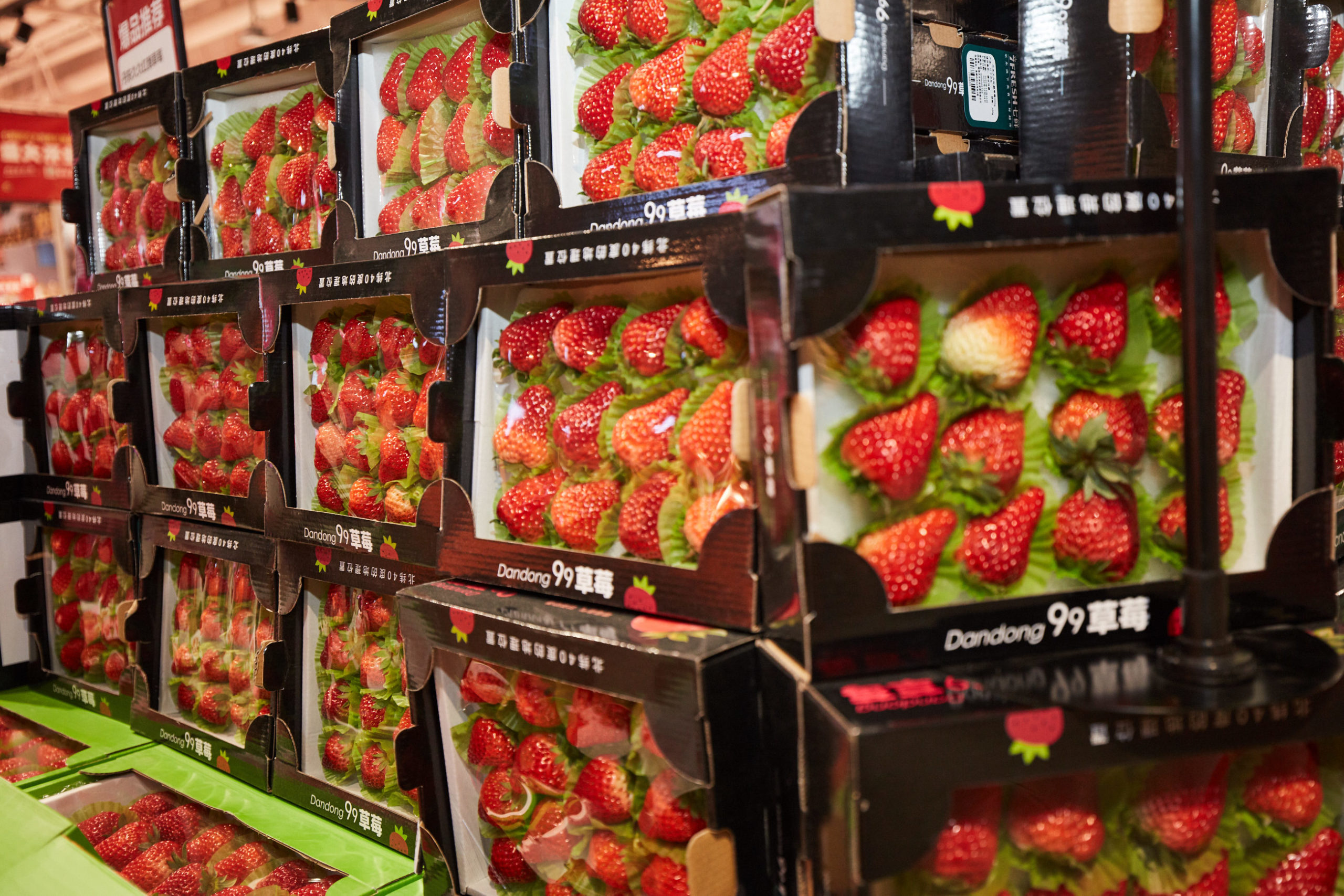
A mature and complete supply chain system can ensure the stable supply of fresh products, reduce the pressure of warehousing and transportation, and also cut down on unnecessary costs and losses. Thanks to JD ‘s overall logistics capability and cold chain warehousing system, SEVEN FRESH can offer a stable supply of Feitian Moutai (53-percent alcohol) that is super hot on the market. Many fruits that have never been seen in other supermarkets are available here, and 20% of the products in SEVEN FRESH’s first store in Beijing were imported. JD’s overseas sourcing supply chain has been applied to SEVEN FRESH, which has greatly reduced the cost of manpower and material resources.

JD’s overseas sourcing supply chain has been applied to SEVEN FRESH, which has greatly reduced the cost of manpower and material resources.

In terms of SEVEN FRESH’s self-developed supply chain, SEVEN FRESH firmly believes that what distinguishes it from traditional supermarkets is its ability to meet consumers’ eating habits and bring them products that well suit their tastes.

In order to bring consumers local food in line with their tastes, SEVEN FRESH has introduced various localized products and well-known brands based on an analysis of consumers in and around the city where each store is located. In addition, SEVEN FRESH has also hired local chefs to ensure that consumers can have a taste of authentic local cuisine inside the supermarket.

For example, SEVEN FRESH opened a store in Huizhou, Guangdong province, on Sept. 22, 2019. The store reallocated meat, poultry, eggs and vegetables in accordance with the eating and consumption habits of local people, and directly worked with local produce brands including Guangzhou Restaurant. Established in 1935, Guangzhou Restaurant is famous for its Cantonese cuisine and mid-autumn mooncakes, and is known as “the best restaurant in Guangzhou”. The new store introduced Qingyuan chicken, a local free range chicken that has been recommended and highlighted by National Geographic of China, after SEVEN FRESH found chicken to be the most important ingredient for local daily diet. All Qingyuan chickens are directly sourced from farms to bring peace of mind for consumers.

As a city famous for having various delicacies, Huizhou’s residents not only have high requirements for ingredients, but also attach much attention to the flavors. In order to cater to the tastes of local consumers, SEVEN FRESH hired chefs from well-known local restaurants to bring consumers the most authentic local flavor. Guangdong people have a fondness for roasted marinated meat, so Seven Fresh has added local traditional roasted marinated meat dishes, such as white cut chicken, salt-baked chicken, marinated duck and other common marinated meat dishes commonly found on Huizhou people’s dinner tables, as well as roasted duck freshly made by SEVEN FRESH’s chefs to bring the familiar flavors to local people.

In terms of localized supply chain, the purchasing mode of fresh products in traditional supermarkets did not fully consider the origin and planting time of fruits and vegetables. It is very likely that fruits and vegetables might not arrive at a traditional supermarket until 3-4 days after picking, which means their freshness and quality cannot be guaranteed, resulting in rotten leaves and fruits. This not only negatively impacts the consumers’ shopping experience, but also damages the reputation of the supermarket.

Faced with this procurement challenge, SEVEN FRESH built a localized fresh supply chain that eliminates middlemen, and directly works with farmers to ensure fresh products can be sent to SEVEN FRESH from their origin. In this new system SEVEN FRESH places orders from the vegetable and fruit farm every afternoon, and the farm begins picking and packaging the produce after receiving the orders. All the fresh produce will be delivered to SEVEN FRESH stores overnight, and will be ready by the next day at around 4 am.

All the fresh produce will be delivered to SEVEN FRESH stores overnight, and will be ready by the next day at around 4 am.

Experienced Chefs to Guarantee Tastes

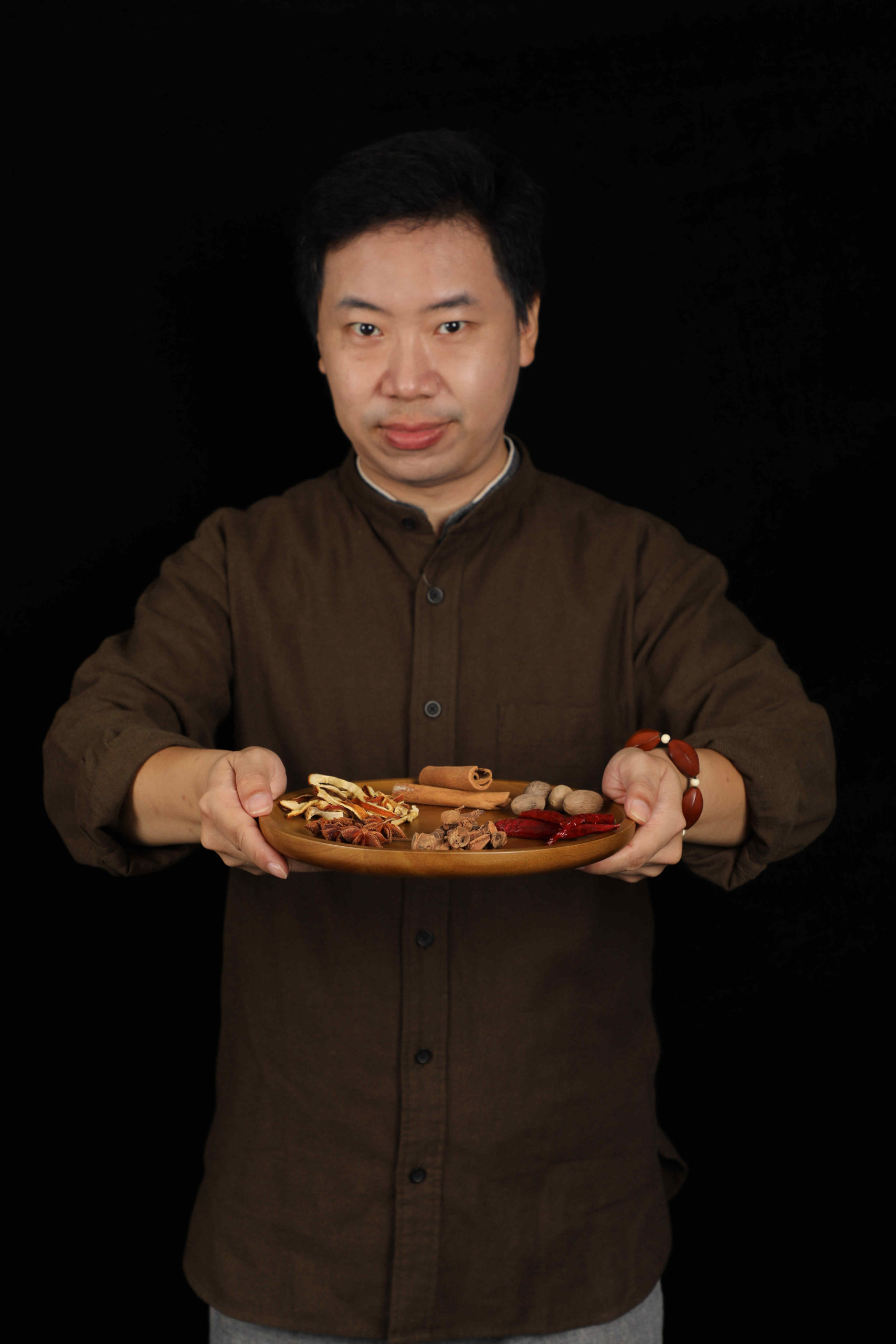
SEVEN FRESH not only brings fresh ingredients for consumers, but also brings authentic on-site processed delicacies for consumers. These delicacies are loved by consumers, and the magic behind the delicacies are experienced chefs hired by SEVEN FRESH to make it easy for consumers at both home and work to enjoy delicacies that used to be only available in restaurants. One of these chefs is Wang Feng, who is mainly responsible for the research and development of stewed dishes.

One of these chefs is Wang Feng, who is mainly responsible for the research and development of stewed dishes.

Wang Feng

Wang comes from a family of gourmet chefs, and his grandfather and father have worked as chefs all their lives. Wang’s grandfather came to Beijing from Shandong province to work as a chef before 1949. He worked as a chef in Bejing’s well-known time-honored restaurant Badalou (八大楼) to serve the ex-royal family members of Qing Dynasty. His authentic Shandong cuisine was popular among them. Wang’s father, who worked at Fengzeyuan (丰泽园), also mentored many famous chefs of younger generation. Wang has learned not only the special cooking methods of various dishes from his grandfather and father, but also their persistence in creating good food.

“When I came to SEVEN FRESH for a job interview, I found that the creed that SEVEN FRESH adheres to is the same as my own, which is to offer consumers delicacies that are both delicious and healthy. Learning this convinced me to join SEVEN FRESH,” said Wang.

Wang is mainly responsible for the research and development of stewed and fried dishes . One of the offered dishes, the roast chicken with various flavors, was developed under the leadership of Wang and is very popular among consumers. In order to standardize the flavor of the roast chicken, it took him more than a month to study the recipe and 20 rounds of changes back and forth from the selection of chicken, improving the cooking process, and repeatedly asking the tasting team to check the flavor. Wang integrates his family’s understanding of delicious food into his current work, hoping that through his own effort and the resources offered by SEVEN FRESH, he can enable more and more consumers to eat delicious and healthy food.

“We have always adhered to the idea of bringing the best quality products that are also good for consumers’ health when we’re developing new stewed products,” Wang said. “We insist on using the best ingredients.”

Leveraging JD’s omnichannel experience, all SEVEN FRESH stores can provide doorstep delivery service to customers nearby in as fast as 30 minutes. As a result of SEVEN FRESH, consumers will not find it difficult to enjoy a big, delicious feast similar to the ones they might have had in their hometowns during Chinese New Year.

To ensure the livelihoods of many in the face of a recent spike in COVID-19 cases, JD’s SEVEN FRESH in Beijing and Hebei have increased inventory of daily necessities by 300%. Furthermore, the delivery services have been expanded to more areas, enabling more customers to receive products in a timely fashion.


(zhanghui36@jd.com)

Jingxi Unveils New Consumption Trends during CNY

by Ling Cao

Jingxi, JD’s social commerce platform, unveiled new consumption trends during the ongoing Chinese New Year (CNY) Grand Promotion. Data showed that orders from college students increased 373% during Jan. 13 to 31, and unlike in previous years when they mostly purchased snacks and apparel, this year they made more orders of masks, condiments, eggs and rice.

Due to the epidemic, many primary and middle schools have gone on holiday earlier than usual. Data showed that sales of textbooks increased 91% YOY. The top five provinces by sales are Guangdong, Shaanxi, Sichuan, Hunan and Jiangsu.

During the Grand Promotion, remote orders have also surged. Customers in Heilongjiang and Hebei provinces received the most remote orders, with a growth of over 300% YOY. These provinces are also among the greatly affected areas by the epidemic.

Jingxi has also provided a variety of benefits for customers, including a flash sale of RMB 1 yuan, movie coupons for free and other subsidies and discounts. The platform has also arranged livestreams with celebrities to attract customers, guaranteeing them a better CNY shopping experience.

A representative at Jingxi said, “Jingxi will continue to operate during CNY, and the Grand Promotion will continue until the end of the New Year festival, providing more Jingxi (homophonic with ‘pleasantly surprised’ in Chinese pinyin) for customers.”


(ling.cao@jd.com)