Topic

JD Super and Biostime Launch New Infant Milk Powder

by Rachel Liu

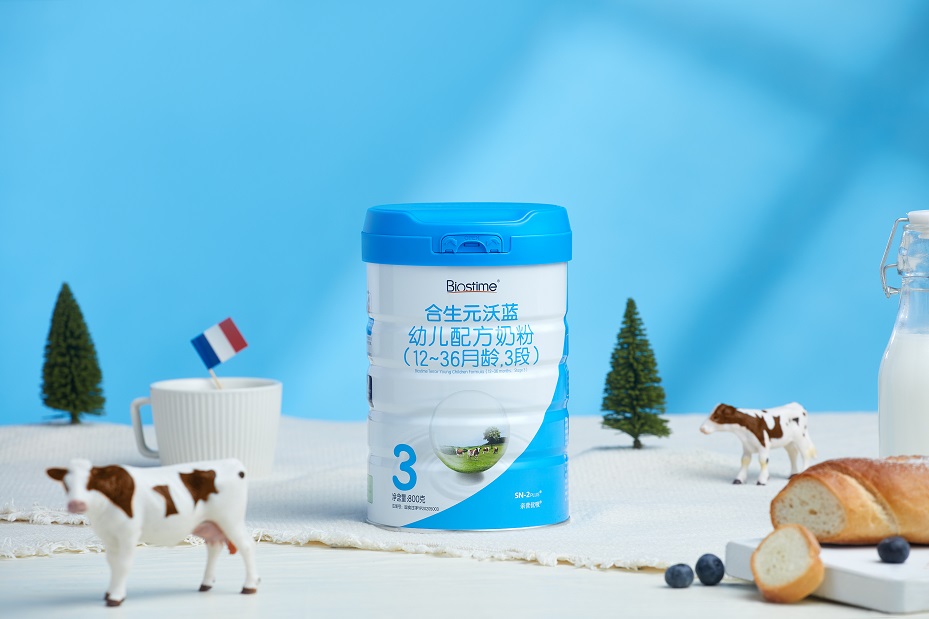
JD Super, JD’s online supermarket, recently worked with French brand Biostime to launch Terroir infant milk powder for 12-to-36 month babies on JD.

The milk that the new Biostime Terroir product uses originates from Poitou-Charentes region of France, one of the only two AOP (Appellation d’Origine Protégée, one of the four origin and quality labels recognized in Europe) recognized origins in the country. It also adopts Biostime’s unique SN-2PLUS breast milk fat optimization technology to make the milk powder more similar to breast milk.

The product also adds GOS probiotics and lactose, which helps balance the intestinal flora of babies, and nucleotides which can help improve immunity.

Fengting Li, China CEO of H&H Group said: “Terroir is an important product for us in e-commerce channels. Biostime will work with JD Super to provide healthier and high-quality products for Chinese consumers.”

Biostime joined JD in 2014. The brand debuted the Terroir series on JD in 2018. JD Super has a large group of quality customers, and leverages its advantages in big data and customer operations to help Biostime continuously improve its performance as the brand continues to grow in the China market. In Q3 2020, sales of Biostime milk powder increased 12.6% in China. “JD Super will continue to support Biostime through exploring new channels and lower-tier markets, as well as marketing opportunities,” said Lizhen Liu, general manager of JD FMCG.


(liuchang61@jd.com)

JD’s Courier on National TV: Contribute to Shijiazhuang during COVID-19

by Ling Cao

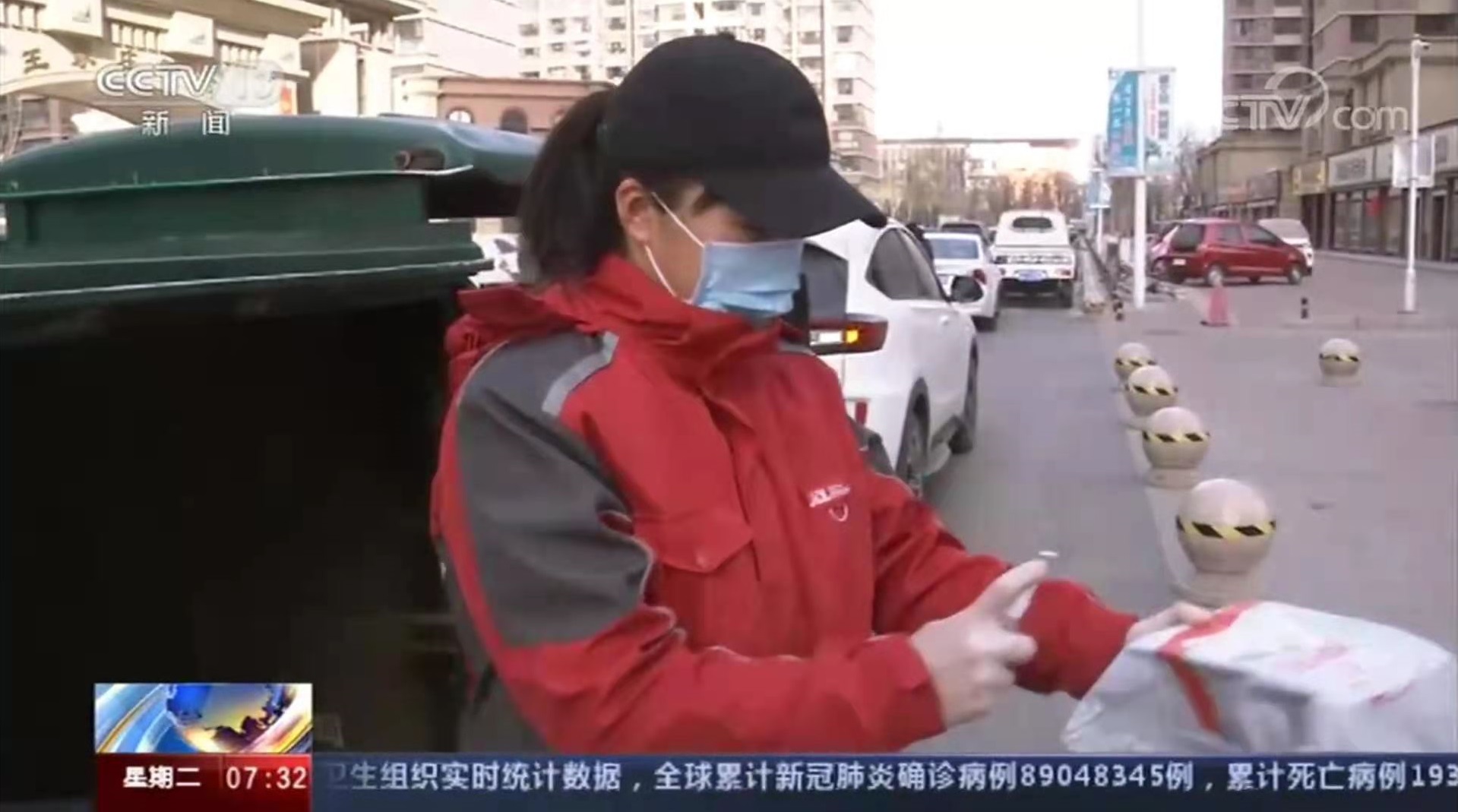
Chinese National TV reported this morning that while many enterprises have suspended production in Shijiazhuang, Hebei province, the current epicenter, due to COVID-19, delivery and express industry remain operational, ensuring people’s livelihoods.

Ms. Yachan Wu, a courier at JD’s Luancheng delivery station in Shijiazhuang, told National TV, “During this tough time, everyone who enters our station needs to have their temperatures checked and clothing disinfected. We also disinfect packages.”

Ms. Yachan Wu, a courier at JD’s Luancheng delivery station in Shijiazhuang, told National TV

Yachan Wu

Wu is a mom of two kids and takes on a lot of responsibility at work. She said, “Many of my clients are waiting for orders purchased on JD, most of which are daily necessities. If nobody wants to continue the job, then who will do the deliveries?” Her persistence has moved many clients, and they have sent her masks and food to provide support.

Mr. Yan Zhou, a courier based in the Mingzhu delivery station in Shijiazhuang is another example of a courier who has remained on the road during the outbreak. Zhou said that he previously needed 15 minutes to deliver from the station to one residential compound, but now he only needs 10 minutes because there are less people and cars on the road.


(ling.cao@jd.com)

370,000 JD PLUS Memberships Added in 10 minutes during Its Annual Promotion

by Ling Cao

370,000 membership cards were sold in 10 minutes during the JD PLUS Annual Grand Promotion held on Jan. 8. Newly registered members increased 65% YOY. JD PLUS is JD’s premium membership program. Data showed that transaction volume from PLUS members increased nearly 60% YOY, and lifestyle privileges redeemed by members increased 441% YOY.

JD provided a wide range of benefits and discounts from Jan. 2 to 8. Benefits include 720 brands providing 5% discounts for members purchasing products on JD, and special deals on millions of products on JD. The best-selling products were Chilean cherries, Yili Satine milk and JD Health services. The top three cities by transaction volume were Shenzhen, Guangzhou and Chengdu.

Other popular privileges include the options to purchase a hamburger for RMB 1 yuan, as well as movie tickets, and coffee and milk coupons.

Chunhui Meng, head of JD PLUS said, “Since its launch in 2015. JD PLUS has continuously upgraded membership benefits by partnering with brands. We aim to create new value for JD, brands and our members.”


(ling.cao@jd.com)

JD Logistics Supports Xu Fu Chi on Supply Chain Transformation

by Rachel Liu

JD Logistics (JDL) signed a partnership agreement with Chinese confectionaries manufacturer Xu Fu Chi on January 8th, aiming to leverage JDL’s products and technology to support Xu Fu Chi on the digital transformation of its supply chain management system, building a system with integrated operations capability of the entire supply chain, as well as omnichannel service capability under all scenarios.

JDL’s 5G smart logistics park technology has been put into use in Xu Fu Chi’s smart factory in Dongguan, Guangdong province. JDL has shared its cutting edge technology with Xu Fu Chi to build digital parking, a digital fleet, and block chain. The smart factory in Dongguan has built a digital platform for warehouses, intelligent dispatching on platforms, digital contact system and more to improve the efficiency in the warehouse on transportation and human resources. Now 100% of shipping business in the Dongguan warehouse is online. The transfer business from Dongguan to other warehouse in China has been entirely digitalized too.

“This is only the beginning for JDL to help Xu Fu Chi on intelligent supply chain transformation,” said a representative from JD Logistics:“In the future, we will work deeply with Xu Fu Chi to upgrade the smart logistics management system, the establishment of logistics infrastructure such as warehouses and logistics parks, as well as providing integrated logistics services, to accelerate the application of new logistics technologies.”

In June 2018, JDL and Xu Fu Chi worked together on building a “boundaryless factory”, a new logistics model that connects manufacturers and consumers directly without any warehousing process in the middle. In this way, Xu Fu Chi’s handmade snacks that have short shelf life can be delivered to customers in a shorter time, enabling more customers from areas outside of Dongguan to enjoy the snacks.


(liuchang61@jd.com)

Moutai Chun Launches Flagship Store on JD

by Rachel Liu

Moutai Chun, a brand by Kweichow Moutai Distillery Group Technology Development Co., a subsidiary of Kweichow Moutai Group recently opened a flagship store on JD to sell its iconic soft soy-sauce-aroma style baijiu to JD’s over 440 million customers.

Moutai Chun will also leverage JD’s e-commerce experience, massive customer base, logistics capabilities and service ecosystem to build a digitalized brand strategy.

The COVID-19 epidemic deeply affected the offline channels of liquor brands, as many stores and restaurants were closed during the first half of 2020. The challenges that offline business brings also include high cost of logistics, warehouse, price control problems and a complicated dealer network. This is one of the reasons that the brand decided to put more emphasis on the online business.

Moutai Chun will also leverage JD’s e-commerce experience

It is also found that soy-sauce-aroma style baijiu is becoming more popular in the past few years. The products of Moutai Chun, developed by the subsidiary of Kweichow Moutai, which is one of the most popular liquor brands in China, has received outstanding reviews for its aromatic flavor since launching.

“We are glad to welcome the launch of Moutai Chun on JD. We noticed that the consumer base of baijiu is getting younger, and consumers have various demands on the products. We hope to help the brand provide more high-quality products, and create an omnichannel shopping experience for our customers through our joint effort with the brand,” said the head of JD’s liquor business.


(liuchang61@jd.com)

Skincare and High-tech Products Sell Well on Coldest Day in 60 Years

by Hui Zhang

As China is confronted with a massive cold wave, starting Jan. 4, consumers have been adding more skincare products and high-tech garments to keep them warm during the coldest days in 60 years.

According to China’s National Meteorological Center (NMC), the cold wave has brought record-low temperatures to more than 80% of China, with Heilongjiang and Jilin seeing temperatures as low as -25 degrees Celsius, and Beijing witnessing a drastic temperature drop to -19 degrees Celsius.

In addition to purchasing more warm cotton clothes and pants to cope with the cold wave, Chinese consumers are adding a variety of winter skin care products so as to avoid frostbite on exposed skin.

According to JD’s data, search volumes of hand cream, lip balm, and face cream, among other winter skincare categories have seen a significant increase from Jan. 1-5. The search volume of lip balm has increased by nearly 150% YoY. Male consumers’ demand for lip balm is strong, with the volume increasing by more than 200% YoY. In addition, sales of hand cream increased by nearly 150% YoY.

“Looking at JD’s data shows that more and more male consumers are willing to spend more time to take care of themselves. JD.com, with a wide range of beauty product categories and effective logistics speed, can meet the demands of consumers to quickly get the goods they need during the freezing days,” said a purchasing manager from JD Beauty.

Along with beauty products, Chinese consumers are also exploring high-tech garments to take advantage of technology to keep them warm. For example, search volumes have multiplied for temperature-controlled down comforters, self-heating underwear made of high-tech materials, electronic insoles, and battery-heating socks.


(zhanghui36@jd.com)

JD Delivers 3,000 Tents to Shijiazhuang in Fight against COVID-19

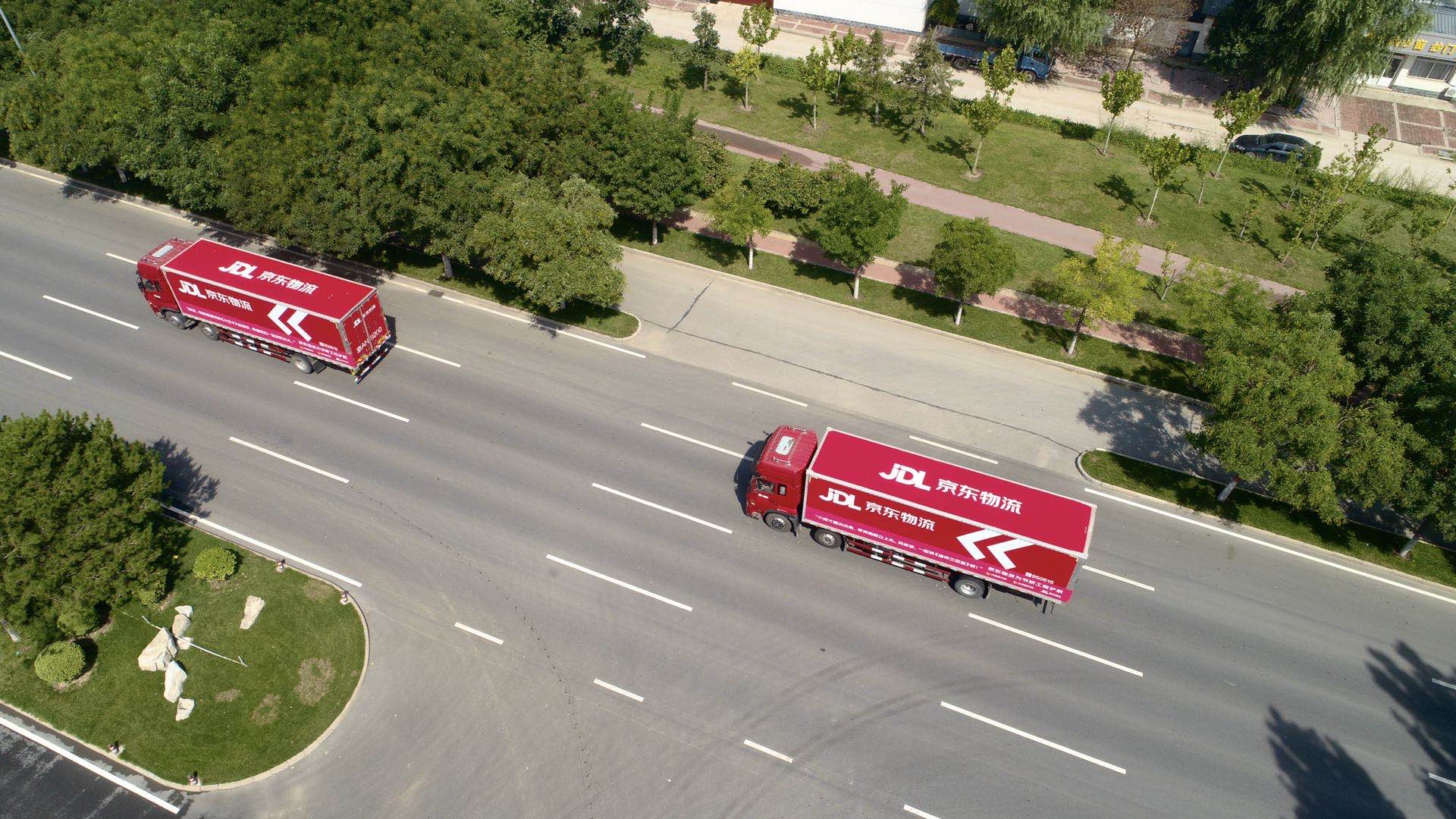
On Jan. 10, ten JD logistics vans fully loaded with tents arrived in Shijiazhuang, a city in Hebei province, 290 kilometers south of Beijing. The tents, which were provided by National Food and Strategic Reserves Administration (NFSRA), were delivered from Tianjin. Due to an increased number of COVID-19 cases, Shijiazhuang is now under lockdown to prevent spread of the virus. JD will deliver more tents to other places in Hebei, such as Dingzhou, Xinji and Xingtai.

A JD Logistics driver

A JD Logistics driver

The company dispatched vehicles and employees immediately after receiving the request form NFSRA and had all drivers complete nucleic acid tests immediately.

Xu Qin, governor of Hebei province, at a JD delivery station in Shijiazhuang

Xu Qin, governor of Hebei province, at a JD delivery station in Shijiazhuang

On Jan. 9, Xu Qin, governor of Hebei province, went to one of JD’s delivery station in Shijiazhuang. He stressed that couriers should disinfect all the goods and protect themselves, so that to provide safe and fast delivery services for families.

All the couriers in Shijiazhuang have been tested nucleic acid twice for COVID-19. JD has also prepared sufficient masks, disinfectant and other protective materials, as well as food to secure the safety of frontline workers.


(yuchuan.wang@jd.com)

Posted in ESG

In-depth Report: JD’s Foray Into Duty Free: Bring In More Players, Add Categories, Sell O2O

by Ella Kidron, Ling Cao, Rachel Liu

JD made its move into the duty free industry by opening a store through partnering with Hainan Tourism and Investment Development Co. in Sanya, Hainan province on Dec. 30, 2020. The store, which is located on the second floor of the Sanya Hailv Duty Free Shopping Center, came just in time to service consumers during the past New Year’s Day holiday. Data from Haikou’s Customs showed that during January 1st to 3rd, sales from three newly opened duty free shopping centers, including Sanya Hailv, reached RMB 540 million yuan, an increase of 195% YOY, hitting a historical record.


Unique characteristics, a more diverse customer base

JD has leveraged its expertise in e-commerce, marketing and supply chain to create a store that is unlike traditional duty free stores. Whereas most duty free shops focus on fashion, luxury, cosmetics, and even alcohol and cigarettes, JD has gone in an entirely different direction, equipping the store with consumer electronics and small appliances, such as hair dryers, speakers, and coffee machines. In this way, leveraging its advantage of a long track record as the e-commerce destination for consumer electronics, JD aims to provide consumers with a wider range of affordable products than was available previously and attract a larger variety of consumers to duty free shopping.

To provide an even more robust product selection, JD has also launched a cross border experience store on the fourth floor of the same shopping center in Hainan with a focus on selling healthcare products, baby and maternal products, and more. Ahead of the New Year’s Day holiday period, JD used big data to forecast demand before recommending what to stock in the store. During the holiday, healthcare products were among the most popular categories.

Both stores integrate JD’s cloud & AI technology, as well as omnichannel capabilities, in order to provide an upgraded shopping experience for customers. The stores include features such as smart shelves, allowing customers to scan QR codes and shop for products online, electronic price tags which ensure real-time price adjustment, and smart marketing devices.


China’s RMB 150 billion “blue ocean”

Before the global outbreak of COVID-19, travel retail was already set to take off in China. Many brands have been starting to focus more on this as a priority business segment and are developing the channel accordingly. But, despite consumers’ fondness for buying premium goods at duty-free stores, the market at large is largely undeveloped. According to statistics from Morgan Stanley, China represents just 8% of the global duty-free market, but its consumers accounted for a third of global duty-free sales in 2018.

With overseas flights grounded on account of COVID-19, spending abroad is moving onshore instead. The Chinese government has implemented a series of policies in this area. Since Jul. 1,2020, Hainan province increased the annual tax-free quota from RMB 30,000 yuan to RMB 100,000 yuan per person per year, and expanded tax-free categories from 38-to-45, including electronics products and wine.

At the same time, in early June, China released a plan to build a high-quality free trade port in the province. According to the plan, Hainan will establish a basic free trade port policy system with a key focus on helping free trade and investment by 2025. The combined preferential policies from the consumer and business side bode well for the development of the sector.

Analysts at Berstein expect China’s domestic duty-free sales to be worth RMB 153 billion yuan in 2025, roughly $23 billion at the current exchange rate level, tripling the current level. This is still just a fraction of the global duty-free market, which is estimated to generate revenues of around $112 billion by 2023, growing at a CAGR of approximately 8% during 2018-2023. “During the epidemic, Hainan’s duty-free stores were the biggest change in China’s duty-free landscape. In July 2020, Haikou established a duty-free store. One month after the implementation of the new policy for duty-free shopping on outlying islands, there was a total of RMB 2.219 billion yuan worth of duty-free shopping there”, explained Ashley Duardonek, Founder of Alarice and ChoZan.

Duardonek added that Bain & Company has predicted that global travel is unlikely to return to normal by 2022 or even 2023 and that the Chinese luxury market will grow about 30% in 2021. “This means there’s still a 2-3 year window of growth for Hainan’s duty-free market, and the government is sparing no effort to boost domestic demand.”

With such a high potential market, and a long growth trajectory, many companies are interested in getting in on the action. JD’s supply chain advantages give the company a unique position to provide consumers new value. This is one of the many reasons the company is focused on building out this segment. “Unlike the international market, which is quite developed, the domestic market is still in early stages,” said Mark Ma, head of operations for JD’s duty-free business at JD Worldwide. “At the same time, the duty free channel has become more important to brands in recent years. These are just a few of the reasons that JD wants to enter and build out our footprint in this industry. We believe we can leverage our strengths to provide differentiated services for a more expansive range of customers, helping brands and the industry in the process.”

An ecosystem, Win-Win approach

By moving into the duty-free business, JD can benefit brands and traditional industry players with supply chain capability and digital tools. For one, the company can help brands that are not familiar with the duty free industry get started. According to research by Industrial Securities, during July to October 2020, makeup accounted for 48% of total sales of offshore duty-free products in Hainan province, while watches accounted for 14.7% and accessories were 15.4%. The categories of duty-free products are very limited. Although customers have demand for more diversified duty-free products, many brands do not have the ability or resources to get into the business. This is where JD’s experience in logistics and finance, as well as its close partnership with international brands can help.

“For brands, more involved in the duty-free business also means more control over the product price and channels on this market, thus increasing regulation in the industry. We hope that more brands, especially those that are not traditionally popular in the duty-free space, such as electronics brands, can work with JD to explore the market.” said Di He, head of supply chain for JD’s duty free program.

JD’s industry insights can also help brands identify new opportunities. In JD’s cross-border experience store, health-supplements became a popular category among elderly customers. Many elderly people travel to Sanya every winter to enjoy the warmth. JD noticed that most of them are not interested in buying makeup or luxury products no matter how competitive the prices are. However, they do have strong demand for health supplements and health related products. Adding health-related categories into the stores not only benefits elderly customers in Sanya, but also provides a new sales opportunity for brands. In the first five days, sales of health-related products accounted for 50% of the store’s total sales.

JD’s participation will also help traditional duty-free players address common challenges. In China, the government-approved duty free operators mostly focus on operating offline stores. JD’s know-how in e-commerce and online operations can help the stores with digital transformation.

Take customer operations for example. Customers of duty-free stores are usually travelers, which means they are not likely to revisit the stores frequently. JD’s digitalization capabilities can help the stores move customers online and use LBS (Location Based Service), targeted advertisements and more to increase customer loyalty and activity. In addition, JD’s store management tools, such as electronic price tags, smart advertisement boards, and customer road maps, will bring customers a better in-store shopping experience.

“With the policy changes for duty-free in Hainan, both customers and industry players demand new experiences and opportunities. Instead of competing with existing duty-free companies, JD’s participation can not only serve to supplement traditional product categories for the industry, but also introduce an omnichannel experience, and make the industry more standardized and efficient.” said Mark Ma.

One of the drivers of efficiency and experience for the duty free market will be the introduction of advanced technology like 5G, IoT and big data on a largely traditional industry. Many duty free operators are thinking about how to go digital. This is a key consideration for industry players to increase their efficiency as they achieve scale.

Ma said, “Going forward, I think more and more customers will lean towards pre-ordering products online. Leveraging JD’s experience, we will work together with local partners to provide an integrated omnichannel solution for customers.” Ma explained that the boundary between online and offline will be blurred, increasing the necessity for JD and industry partners to build a platform that can allow customers to buy products whenever and wherever they want. Duardonek notes that “this is convenient, fast and in line with standard Chinese consumption habits.”

Duty free has a long and promising road ahead and JD is optimistic about the industry’s potential. “We plan to work with more stores in more scenarios, such as airports, in the future” Ma added.


(ella@jd.com; ling.cao@jd.com ; liuchang61@jd.com)