Topic

JD Logistics and Dada Boost Recruitment of Couriers in Shanghai

by Mengyang He

Amid the spike of Covid-19 cases in Shanghai, JD Logistics and Dada have released a nationwide announcement through the Shanghai Municipal Human Resources and Social Security Bureau on April 15, to boost recruitment of couriers for delivery services in Shanghai to meet the rising demand.

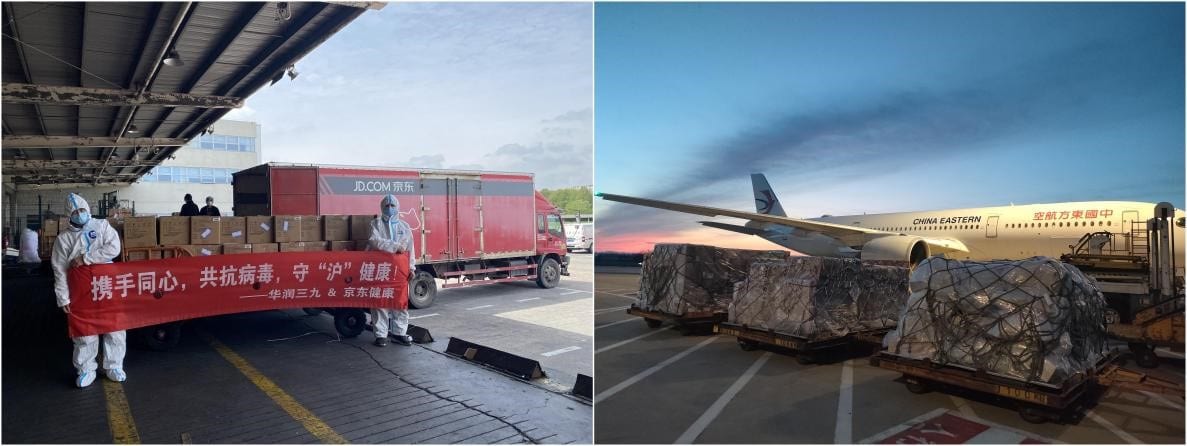
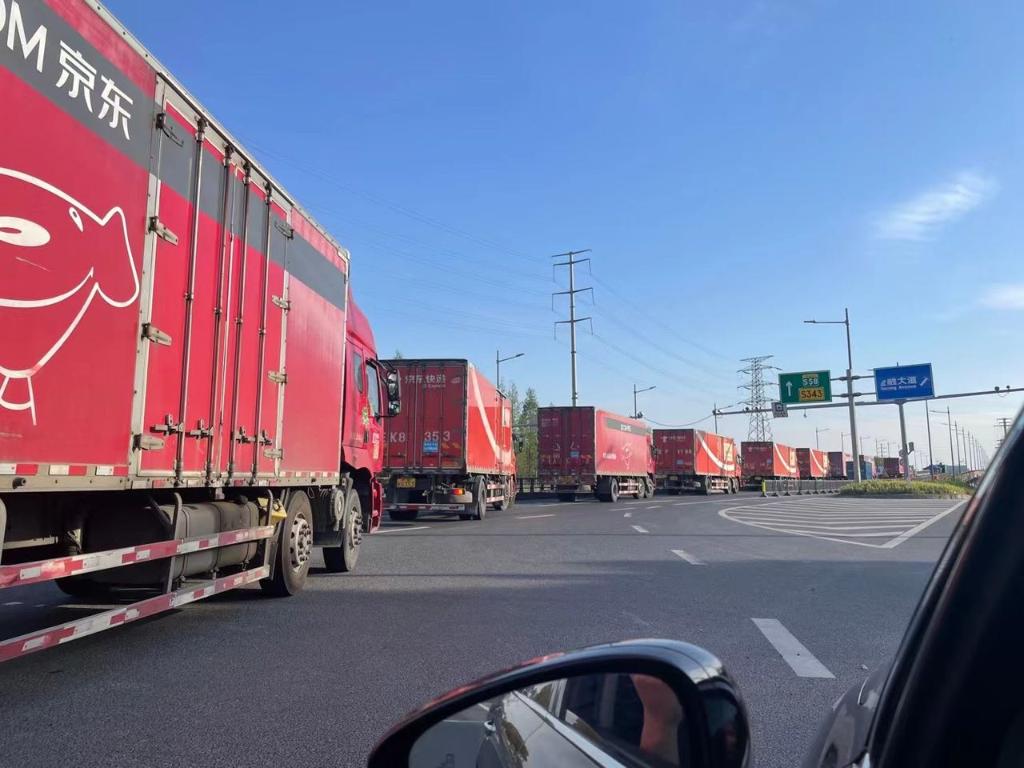
JD Couriers about to depart for Shanghai

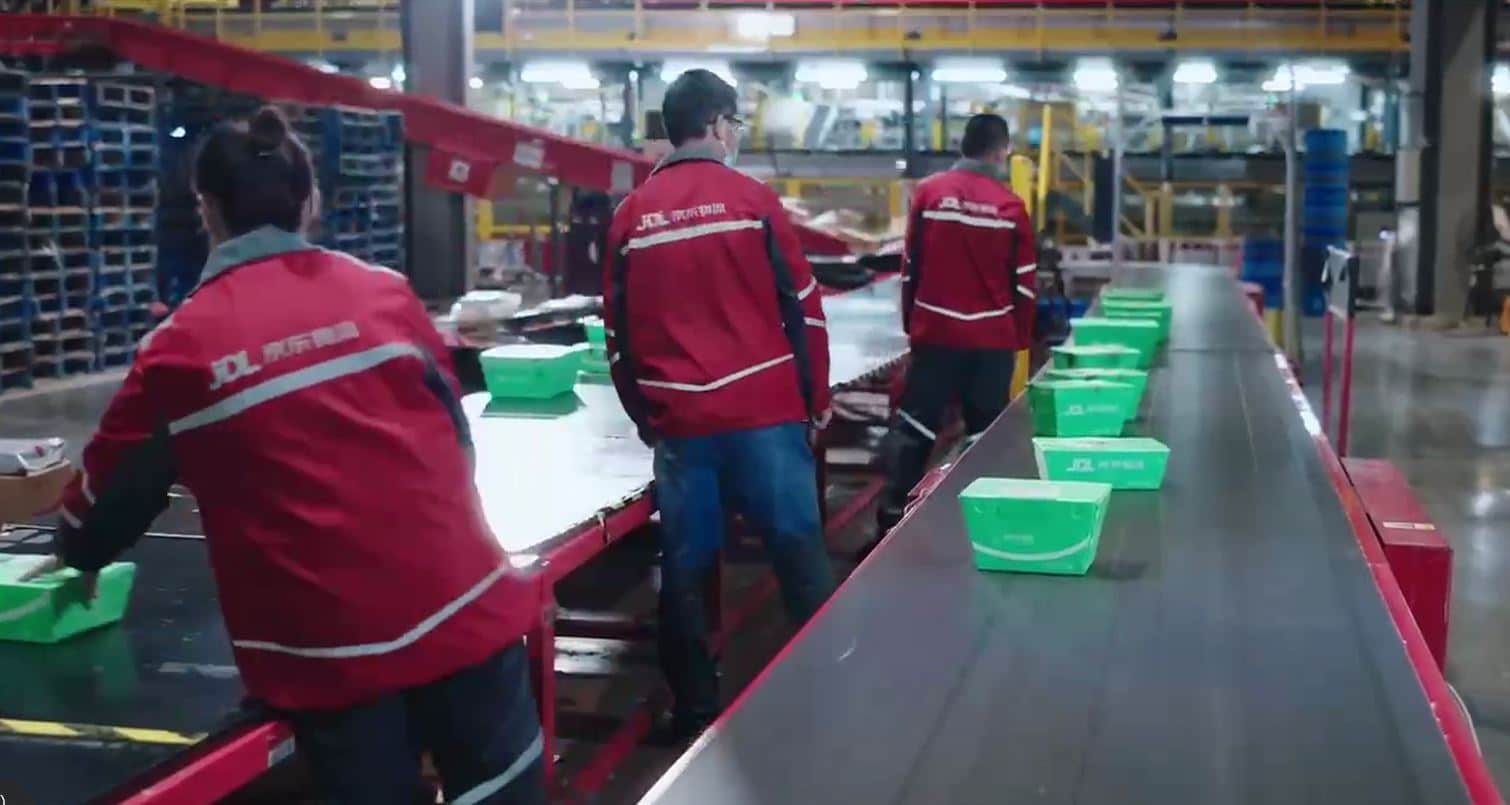
JD.com is recruiting two types of couriers, one for outbound delivery and the other for community delivery. The outbound couriers are able to pick up supplies from JD’s delivery stations and fulfil nearby orders. The community couriers are to deliver orders within residential compounds.

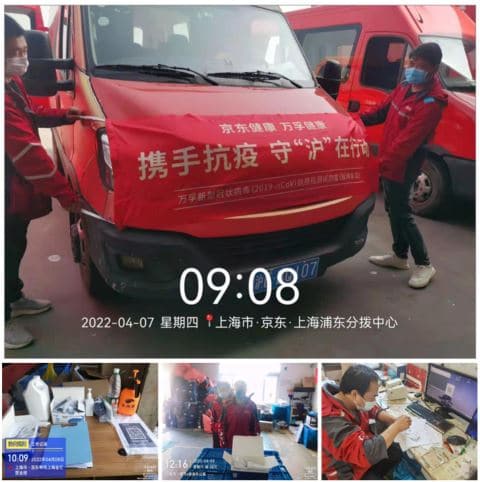
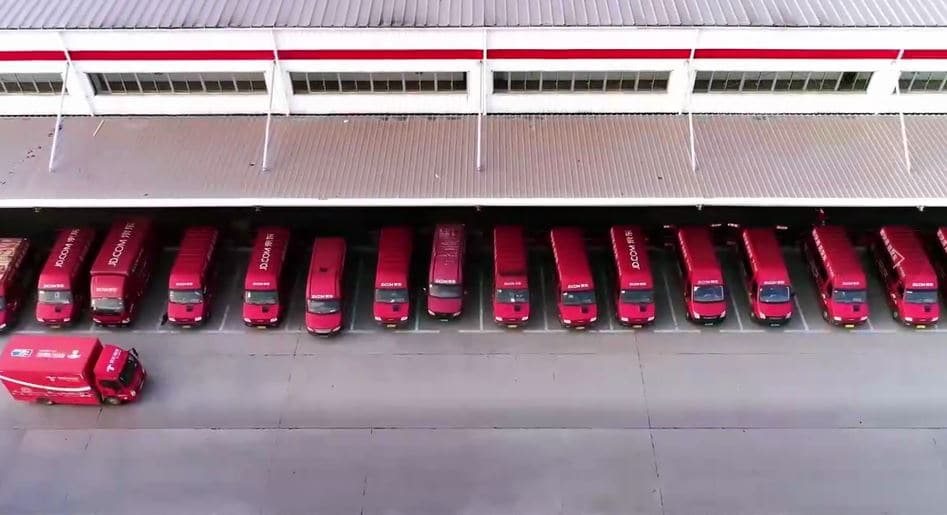
JD.com has recently deployed over 3,000 couriers to Shanghai from various regions across China as a joint effort to maintain the day-to-day operation of local delivery services.


(hemengyang5@jd.com)

Over 3000 JD.com Employees Rush to Shanghai to Support Delivery

by Yuchuan Wang

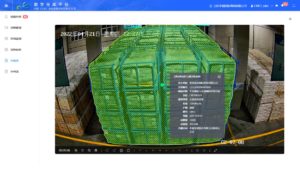
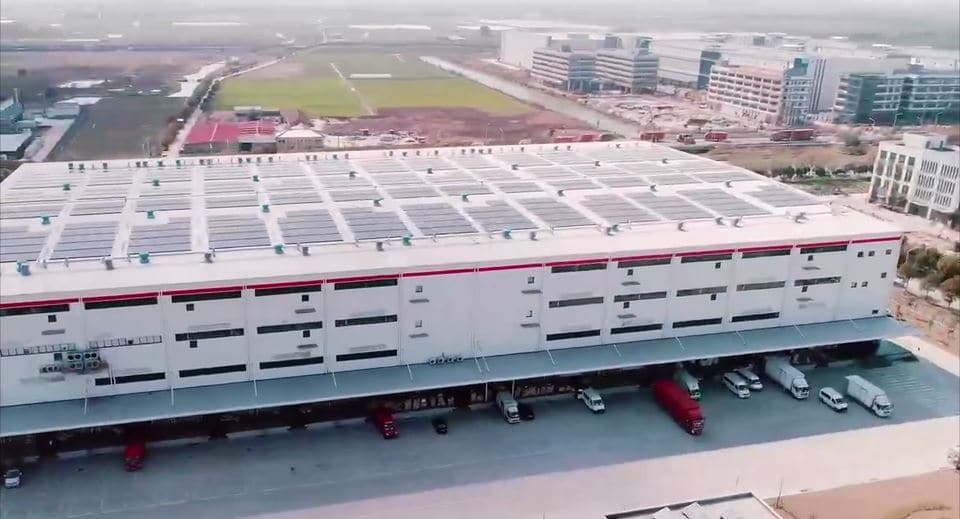
As of April 16, JD.com has called for 3,246 couriers and sorters nationwide to support supply in Shanghai, and most of them have arrived in the city over the weekend. At the same time, two temporary JD warehouses for daily necessities and baby & maternal products have been established in Shanghai’s Jinshan and Qingpu districts in just nine days.

JD’s data shows that the number of orders fulfilled in Shanghai increased by 67% on April 15 compared with the previous day, accounting for 43% of the normal average. The proportion was only 20% a week ago. The company expects that with more and more delivery forces joining in, the number will reach 80% of the normal average this week.

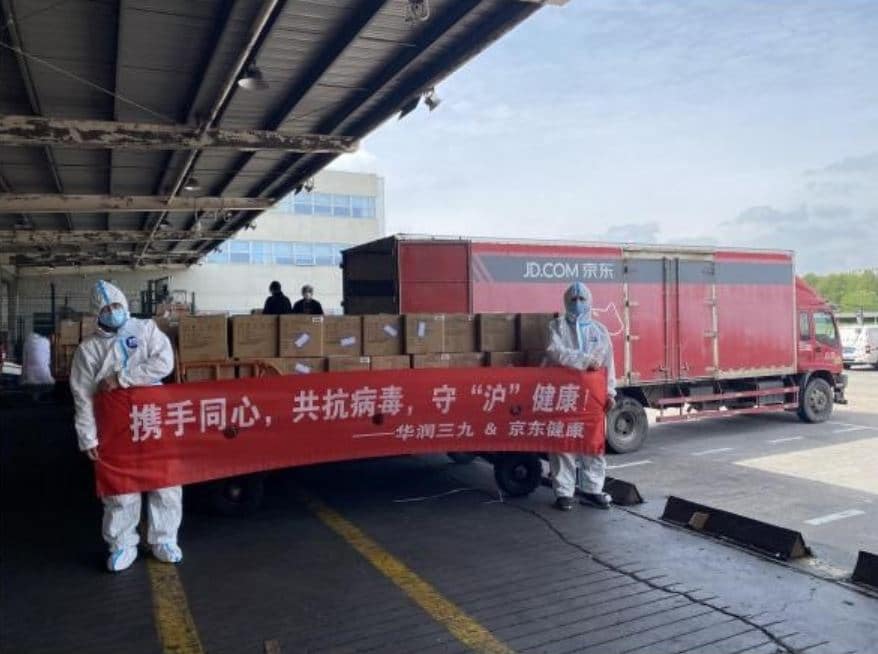
A spokesperson of JD.com says the employees have received vaccine booster shots and will be dedicated to sorting and last-mile delivery jobs as soon as arriving in Shanghai. JD Logistics will provide them with sufficient PPE, insurance and daily Covid tests.

The company also joined hands with Dada Group to recruit crowd-sourcing couriers for on-road delivery and community delivery. The recruitment was posted on April 15 through the official WeChat account of Shanghai Municipal Human Resources and Social Security Bureau and other channels.

JD’s temporary warehouses in Jinshan and Qingpu have been used to stock mainly food, pet food and baby & maternal products. About 227,000 items of products have been put on shelf. Brands are allowed to transport their goods directly to these two warehouses, eliminating middle processes to decrease possible supply chain risks.

Last week, JD also sent over 100 autonomous vehicles to Shanghai for last-mile delivery of customer orders and PPE to mobile cabin hospitals, lockdown communities, delivery stations and more.


(yuchuan.wang@jd.com)

JD Report: Working Mothers’ Parenting and Consumption Preferences

by Doris Liu

Working mothers in China spend 81 percent of their leisure time and 45 percent of their money on parenting, with 67 percent of this group experiencing anxiety about early education, a recent report shows.

The “2022 Working Mothers’ Parenting Survey Report” was jointly released by JD Super, JD.com’s online supermarket, JD Insight, JD’s market survey platform, and Hong Kong-listed China Parenting Network, aiming to reveal the circumstances and consumption preferences of working mothers.

According to the report, the major challenge for working mothers is to balance work and family responsibilities. Thirty-seven percent of working mothers choose to take care of their children without outside help, and 58 percent have asked grandparents for help. Notably 71 percent of working mothers born after 1990 believe they can balance work and parenting responsibilities without stress.

However, most working mothers do not find their significant others to be supportive enough in parenting, as indicated by the data, with only 35 percent of them saying that their spouses fully take on their share of childcare responsibilities.

The report says working mothers also show concerns when it comes to shopping for children’s products online. Sixty-two percent of mothers express hesitation in terms of choosing brands, and 56 percent don’t know how to choose milk powder brands due to lack of professional knowledge. About half of them think the price of children’s products are high in general, with 43 percent spending more than RMB 2,000 yuan of childcare expenses every month. They also feel that it is not easy to return and get refunded for quality issues.

JD Super, in order to maintain a better user experience, has launched dozens of services to ensure the traceability of infant-milk formulas, meanwhile providing the options of changing diaper size and replacing baby electronics instead of repairing, etc.

For instance, every parent is careful when it comes to the choice of baby’s food. When buying food products with JD’s “quality traceable” label, customers can scan the QR code to understand the information through all steps in the supply chain. Products with the label of “Taste Without Worries” means that customers can get a refund within 30 days of delivery if the baby develops allergies or diarrhea after eating the baby food.

JD Super also offers an option to apply for compensation for the price difference within the price guarantee rules, protecting consumers from price reductions within 30 days of delivery.

JD Super will continue to improve the consumption experience and help more parents to reduce the complexity of choosing children’s products by providing authentic and high-quality baby food, toys, electronics and so on.


(liujun215@jd.com)


JD Health Launches World’s First Diagnostic Kit for Methylated Genes of Lung Cancer

by Vivian Yang

JD Health announced on April 15th that it became the first online retailer to offer sales of the world’s first diagnostic kit for methylated genes of lung cancer to Chinese consumers.

The kit, also known as “Ai Fei Ming” (艾肺明), developed by Excellen Medical Technology Co., Ltd, a Beijing-based company specializing in cancer diagnostics, provides a blood-based test for the diagnosis of lung cancer that consumers can now easily order via JD Health’s online channel and enjoy convenient offline services.

Consumers can either make blood sampling appointments- merely 5ml of blood with LDCT cancer screening result of 86.83% sensitivity and 95.59% specificity – at home or go to designated nearby clinics. They will receive test reports on their mobile phones and follow-up medical advice in around a week’s time to be well-informed of their health status.

The service product is packaged as a gift box primarily for parents, with a test invitation card available on JD Health’s product page.

According to China’s National Cancer Center’s latest report released in February 2022 based on statistics from 2016, lung cancer topped the list both in terms of morbidity and mortality, with around 820,000 new cases and 710,000 deaths in one year, making up 23.8% of the overall deaths of all cancers.

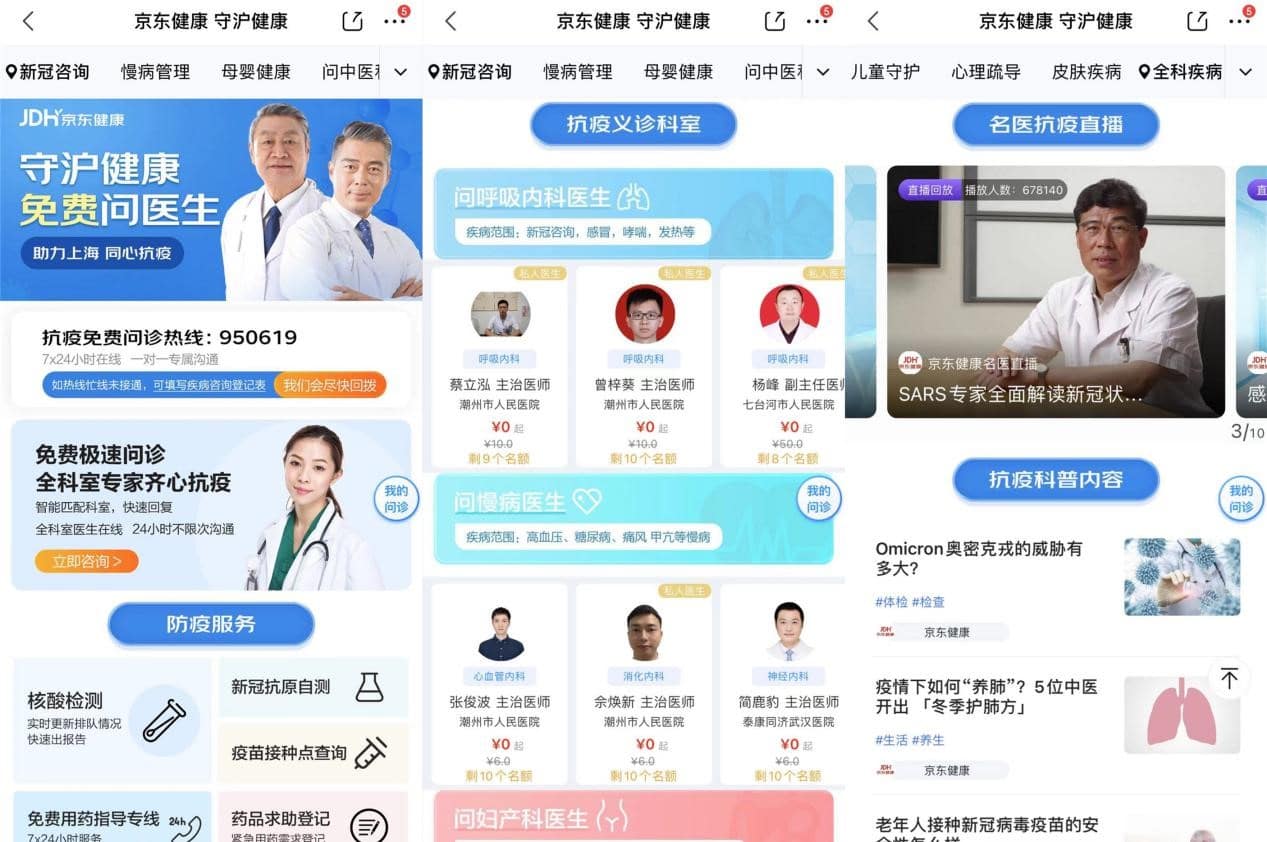
Early diagnosis means a much greater chance of survival from lung cancer. It is also an essential area where JD Health can leverage its advantages and partners to build a one-stop solution for users which includes the provision of self-test kits, test reports analysis, offline health check and clinic appointments, online healthcare consultations and more.

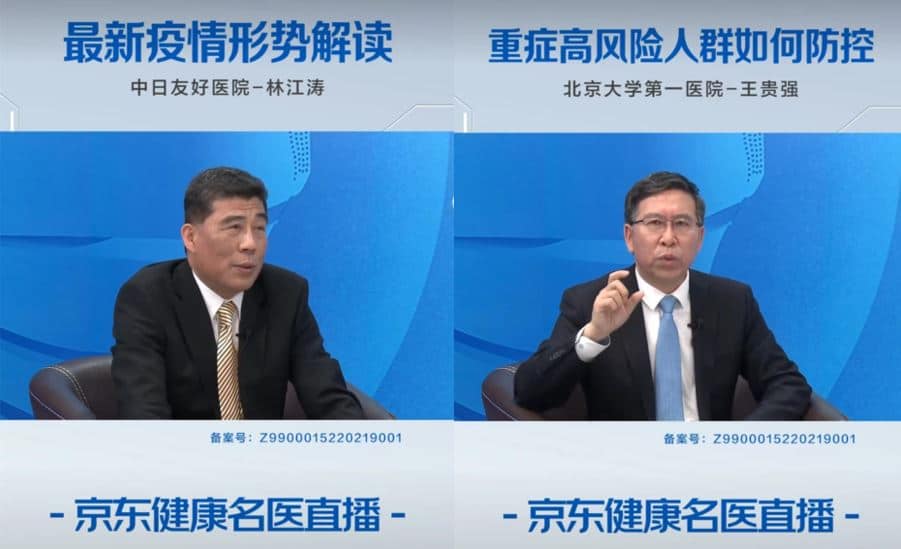
During this year’s Anti-Cancer Week, JD Health will also join hands with the China Anti-Cancer Association to introduce an array of promotional activities to raise people’s awareness of cancer prevention and relevant solutions.


(vivian.yang@jd.com)

JD Cloud Releases Products to Promote Industrial Digital Intelligence

Doris Liu

JD Cloud released several products at an online launch event on April 12, aiming to accelerate industrial digital intelligence and promote the complementary advantages of industrial integration.

Products launched at the event include JDStack5.0, JD Cloud Computer, JD Cloud Container Data Center, unified storage platform Yun Hai (云海, meaning “Cloud Sea”) and JD Cloud Message Queue (JCQ).

JDStack 5.0, a cloud solution for enterprises, shares the same source and stack with JD Cloud’s public cloud platform. It not only supports the deployment starting from 3 nodes to reduce the cost of first use, but can also upgrade smoothly with flexible expansion to more than 10,000 nodes, expanding the full IaaS (infrastructure as a service) capability. JDStack 5.0 integrates seamlessly with the company’s JDOS, a hybrid multi-cloud operating system, to provide customers with a Platform as a Service (PaaS) product ecosystem.

JD Cloud Computer, a provider of a borderless office experience, offers users a cloud computer service that is available regardless of time or location. The service can be accessed without installation on any terminals such as desktop PCs, laptops, mobile phones, etc. It satisfies the needs of high security, high computing, high IO, high GPU and other business scenarios, and also realizes the consistent experience in online and offline network environments with cloud and edge modes.

For instance, during the COVID-19 outbreaks in 2020, JD Cloud Computer ensured that more than 15,000 employees of a company were able to work from home with only one-day preparation. And after resuming work, users could decide to keep some cloud computers for long-term use on demand and release idle resources.

Supported by JD Cloud Computer, JDCloud Book, a thin and light notebook computer, also made its debut. It can easily change hardware configurations based on cloud elasticity capabilities, so that users can switch between various scenarios such as mobile office, R&D, professional design, research and home entertainment.

JD Cloud Container Data Center is a container integrated with power infrastructure and IT equipment to provide computing power. Leveraging its intelligent management system operation and highly integrated design, the data center can be easily relocated and installed on site within 3-5 days, with 30 percent less of the total cost compared with traditional data centers.

The cloud container data center was deployed as the first “moveable IT heart” of JD.com’s highly automated Asia No. 1 warehouse in Yiwu, Zhejiang province, in 2021. It took 55 days to complete production and 2 days for installation, saving space by 55 percent. The data center supports a smooth operation in the unmanned warehouses, unmanned sorting centers, order processing and other processes.

Yun Hai, the unified storage platform for JD Cloud, was developed from JD’s EB-level data storage capabilities. It has been architected around the componentization of core functions with plug-in based adaptation and flexible and open SDK. With  superb performance and high stability, Yun Hai can support the data application requirements in multiple fields such as the mobile Internet industry, high-performance computing and edge computing.

JCQ, a cloud-native distributed message queueing service developed by JD Cloud, helps users to quickly build complex business scenarios with reliable data channel services. It also has robust performance with high throughput and low latency, while providing financial-grade security for every user with channel encryption, disk encryption and tenant isolation.

Focusing on industrial scenarios and geared towards productivity improvement, JD Cloud continues to iterate on technology, products and solutions, and conduct large-scale practical verification supported by the entire JD ecosystem.

JD Cloud will utilize its technical capabilities and solid digital infrastructure to further push forward industrial digital intelligence with more products and services to clients such as enterprises, financial institutions and others.


(liujun215@jd.com)

JD.com’s Newly Built Warehouse in Shanghai Transformed into Mobile Cabin Hospital

by Yuchuan Wang

JD.com’s warehouse in the town of Luojing in Shanghai’s Baoshan district has been transformed into a mobile cabin hospital amid the latest COVID-19 outbreak in Shanghai.

It took 140 hours for China MCC5 Group to complete this project, which spans an area of 17,000 square meters, offering approximately 2,000 beds.

According to media reports, each bed is equipped with bedding products, a lamp, bedside cabinet and household products such as slippers, towels, tooth brushes, toothpaste and toilet paper.

JD.com currently operates over 1,300 warehouses nationwide. The company pioneered same-day and next-day delivery as a standard e-commerce service more than ten years ago.

Earlier, the company announced that it would provide 16 million items of daily necessities to Shanghai residents and had gathered more than 2,000 couriers to travel to Shanghai to support local supply operation. Additionally, over 100 JD autonomous vehicles were sent to Shanghai to facilitate the last-mile delivery of customer orders and PPE to mobile cabin hospitals, lockdown communities, delivery stations and more.


(yuchuan.wang@jd.com)

Eight Consumption Trends of Staple Foods in China

by Vivian Yang

In the past three years, JD’s omni-channel supermarket JD Super has seen robust sales growth of staple foods including the categories of rice, flour, and other grains by 52%, cooking oil by 29%, dry food by 65%, and condiments by 49% (CAGR 2019-2021), according to a report released by JD Super on April 8th in conjunction with its annual promotion of staple foods that will last from April 8 to 21.

The report, based on JD Super’s shopping data from 2019 to 2021, identified Chinese consumers’ eight consumption trends of these product categories as the following:

  1. Sales of staple foods with low fat, low sugar and of grain variety increased significantly on JD Super in 2021, with corn, brown rice, low/zero fat sauce and zero-calorie sweetener growing by 184%, 120%, 92%, and 85% respectively year on year.
  2. Organic foods rise in popularity. The volume of certified organic products on JD Super increased 110% and sales grew by 78% YoY in 2021.
  3. Agricultural products with the national geographical indication(GI) are favored by Chinese consumers. For example, Wuchang rice, Ningxia wolfberries, Gutian mushrooms, and Shanxi aged vinegar have seen sales growth by 105%, 78%, 60%, and 56% year on year.
  4. New instant food categories such as dried mushrooms soup packs, freeze-dried white fungus, wolfberry syrup, and vacuum-sealed fresh corns are becoming trendy. Sales of dried mushrooms soup packs surged by 18 times in the past year.
  5. New types of cooking oil are gaining traction. Avocado oil grew at a GAGR rate of 302%, making it the fastest-growing oil product on JD Super; safflower seed oil increased by 70%, and rice oil by 61% year on year.
  6. In terms of consumption trends geographically, people from China’s Guangdong, Jiangsu, and Liaoning provinces consumed the most cooking oil in the year 2021, with Liaoning being the fastest-growing province in spending on this category. Additionally, Guangdong, Beijing, and Jiangsu are the top three provincial-level regions that showed the highest demand of staple foods.
  7. There’s the great market potential for these categories in the lower-tier cities (third to fifth-tier cities) in China as the report data revealed strong demand momentum in both staple foods and condiments in these areas.
  8. Household users are the main spenders on staple foods, for those living in cities and in smaller towns, their consumption of staple foods accounts for 22% and 19% respectively of their overall yearly expenditures. It is also noteworthy that the percentage of consumers over the age of 46 in the category has grown to 12%, indicating that online shopping has become a main channel for them to buy daily necessities.

Thanks to the quality and healthy product varieties that JD Super consistently offers to Chinese consumers, it has become China’s leading omni-channel supermarket and the go-to place for more and more people to buy staple foods and other groceries. According to Nuo Xiao, general manager of the department of staple foods, oil and condiments of JD Super, the company plays an active role in stabilizing China’s food market and acts as an effective promoter and incubator for brands and products.


(vivian.yang@jd.com)

JD.com Sent 100+ Robots to Shanghai for Last-Mile Delivery

by Yuchuan Wang

Over 100 autonomous delivery vehicles were sent to Shanghai from JD’s autonomous driving research bases in Beijing and Shanghai this week. These robots will be used for last-mile delivery of customer orders and PPE to mobile cabin hospitals, lockdown communities, delivery stations and more.

About 50 indoor delivery robots developed by JD Logistics will also be transported to Shanghai to support the delivery of meals and nucleic acid test samples in the mobile cabin hospitals.

With AI technology and multiple sensors, the robots can recognize and avoid obstacles, plan its route to the destination automatically and drive on public roads without human interaction. They can also be monitored and taken over remotely, so that even the local volunteers who have never used the robots can operate them after simple trainings.

The robots sent to Shanghai can load up to 200 kilograms of goods and drive 100 kilometers per charge.

Previously, the company announced that it would provide 16 million items of daily necessities to Shanghai residents, including rice, flour and cooking oil that can secure one-month supply for local customers. Additionally, more than 2,000 JD couriers have been called to travel to Shanghai to support local supply.

JD.com debuted its first autonomous delivery vehicle in 2016 and revealed the Level-4 autonomous driving robot in 2019, becoming the world’s first company to put such products on public roads without human interaction.


(yuchuan.wang@jd.com)